
How to Plan a Company Incentive Trip
A company incentive trip isn't just a reward—it's a statement. It tells your team their work matters, their effort counts, and their contributions are worth celebrating in a way that goes beyond a bonus check. The difference between a forgettable trip and one that drives lasting impact comes down to planning.
Our experts at The Offsite Co. have coordinated incentive trips for over 300 companies in the past year, and we've seen what works. Whether you're rewarding top performers or rallying an entire department, we handle every detail from venue selection to on-site execution. Ready to build something your team will actually earn and remember? Schedule your free consultation and let's make it happen.

Start with a Purpose, Not a Plane Ticket
Before you lock in destinations or browse resorts, zoom out and define the why. A well-planned company incentive trip isn’t just a reward, but a real strategy. It marks milestones, strengthens connection, and shows your team what matters most. Without a clear purpose, even the prettiest trip can feel hollow. With one, every detail works harder.
Common Trip Purposes That Drive Results
Performance Recognition—Celebrate the top closers, strongest contributors, or most improved players.
Culture Building—Reinforce values and boost energy, especially after a big hiring wave or leadership change.
Retention Strategy—Give top talent a reason to stay by showing appreciation in a real, experiential way.
Team Reconnection—Bring remote or hybrid teams together to build relationships that drive better work.
Milestone Celebration—Honour major wins like funding rounds, company anniversaries, or market expansions.
Tie It Back to What Matters
Once the purpose is clear, everything else gets easier: who qualifies, what kind of experience fits, how you measure success. A purpose-first trip resonates deeper, lives longer in team memory, and drives behavior well beyond the itinerary. It’s how you turn a reward into something bigger—a story your company keeps telling.
Structure Qualification Criteria That Drive the Right Behavior
How you determine who earns the trip shapes whether people engage from day one or tune out before the announcement even lands. The best incentive trip criteria balance aspiration with accessibility—winners should feel elite, but the path to get there shouldn't feel rigged or impossible for strong contributors.
Different qualification models drive different behaviors. Individual leaderboards reward top closers but can create internal competition. Team-based criteria build collaboration but risk carrying underperformers. Tiered systems (Gold/Silver/Bronze) broaden participation while maintaining prestige at the top. Choose the model that reinforces the culture you're trying to build.
Qualification Models That Work
Top Performer Model: Reward the top 5-10% based on quota attainment, revenue closed, or deals won. Creates urgency and exclusivity but limits reach.
Threshold Model: Set a clear bar (120% of quota, $X in pipeline) and everyone who crosses it qualifies. More inclusive, easier to communicate, scales better for larger teams.
Category-Based Model: Create lanes for different roles—top AE, top SDR, most improved, best team player. Recognizes diverse contributions beyond just revenue.
Tiered Rewards: Offer different trip experiences based on performance level. Top tier gets the island buyout, second tier gets wine country, third gets a local retreat. Everyone wins something, but the best performers get the most.
Announce qualification windows 6-9 months out and track progress visibly. Leaderboards, Slack updates, and milestone shoutouts keep energy high throughout the cycle. The goal isn't just to reward past performance—it's to shape future behavior by making the win feel real, trackable, and worth the push.
Where You Go Matters More Than You Think
One of the most important decisions you’ll make about your company incentive trip is where it happens. The destination isn’t just a backdrop—it’s the experience. It sets the tone, tells your team how much you value them, and shapes how they’ll remember the reward. Whether you’re going for excitement, elegance, inspiration, or connection, the setting brings it to life.
Different teams vibe with different environments. Some will light up with a high-adrenaline adventure. Others will recharge better in a cozy coastal town. And some just want luxury, great food, and a view worth posting. Choosing a location that aligns with your purpose—and your people—creates the kind of trip that sticks.
Things to Consider When Choosing a Destination
What energy do you want the trip to bring? Think relaxing, adventurous, energizing, or reflective.
Is it better to stay domestic or go international? Domestic makes logistics easier. International adds wow-factor.
What’s the seasonality and weather like? Always plan for the weather you want.
How easy is it to get there? Travel time can affect energy and budgets.
What unique experiences can the location offer? Culture, food, nature, or luxury—know what’s possible.
Here are a few trip styles to spark ideas:
Sedona, Arizona – Desert luxury with red rock hikes, spa mornings, and firelit dinners
Charleston, South Carolina – Coastal charm, live jazz, and historic streets lined with boutiques
Costa Rica – Adventure-packed days with zip-lining, waterfalls, and jungle lodges
The destination sets the mood before your team ever packs a bag. Choose with care, and you’ll give your trip an energy that lasts long after the return flight.
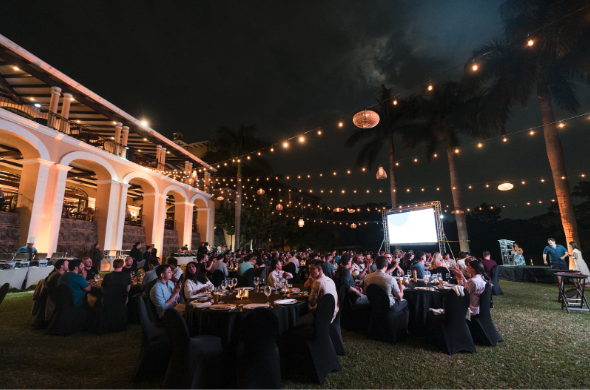
Make the Magic Feel Easy
Every incredible trip has one thing in common: it runs smoothly. Flights are handled, rooms are ready, activities are confirmed, and no one’s standing around wondering where they’re supposed to be. When you’re planning a company incentive trip, logistics play a huge role in shaping the overall experience—and how your team feels about it.
The goal is for travel to feel exciting, not exhausting. Your high performers should arrive relaxed, welcomed, and ready to enjoy the reward they worked so hard for. That only happens when expectations are clear, prep is simple, and every moving piece is handled before anyone boards a plane.
Tips to Keep Logistics Tight and Teams Happy
Use a retreat or travel planning partner who knows how to manage end-to-end details
Set expectations early with a what’s-included breakdown, packing lists, and deadlines
Share travel info in one place like a centralized hub, app, or team portal
Clarify coverage policies for guests, upgrades, incidentals, and insurance
Give winners everything they need upfront—no last-minute surprises, no guesswork
When logistics are buttoned up, everything else flows. Your team gets to focus on connection, celebration, and the experience you’ve built for them. The trip becomes effortless in the best way—and that’s the part they’ll remember most.
Let The Offsite Handle the Heavy Lifting
Planning a company incentive trip can get overwhelming fast—especially when you’re juggling vendors, travel logistics, contracts, payments, and fifteen side conversations. You want the experience to be amazing. You just don’t want to spend your quarter inside a spreadsheet.
That’s where The Offsite comes in. We’re the behind-the-scenes team that makes your incentive trip smooth, intentional, and seriously impressive. From the first brainstorm to the final check-out, we manage every detail so you can stay focused on your team and the big picture.
Retreats That Run Themselves (With Your Name on Them)
We don’t do cookie-cutter. Every experience we design is built from the ground up to reflect your culture, your goals, and your team’s energy. We take pride in delivering retreats that feel custom, cared for, and fully aligned—because that’s what drives the kind of experience people talk about for years.
We bring the structure, the polish, and the spark. You bring the vision. Together, we build something unforgettable.
What You Get with The Offsite
Full Service, End-to-End
A dedicated Retreat Producer handles every detail—from planning and budgeting to welcome bags and on-site coordination.All-Inclusive Budgeting
Finance teams love us. No hidden fees, no guesswork—just a clean, consolidated budget with clear forecasting and flexible options.The Retreat Roadmap™
Our shared planning tool makes collaboration effortless and keeps everything transparent from day one.One-of-a-Kind Venues
From private island buyouts to boutique desert escapes, we give you access to the largest curated venue library in the industry.Custom Team-Building Experiences
Think beyond trust falls. We build creative, meaningful, and on-budget team moments that actually land.
With 97% of our clients rebooking year after year, it’s clear: caring more works. We plan with heart, we manage with precision, and we bring your retreat to life. Let’s make this one something your team earns, enjoys, and remembers.

Your Team Is Ready. So Are We.
A well-crafted company incentive trip builds connection, reinforces culture, and gives your people something tangible to strive for. With clear goals, thoughtful design, and expert execution, it becomes a reward that inspires action long before takeoff—and stays with your team long after they return.
At The Offsite, we make these experiences effortless to plan and unforgettable to attend. You bring the vision, we’ll handle the work. Ready to build a trip that delivers results and memories? Let’s start with a quick consultation—and turn your next incentive into something exceptional.
Frequently Asked Questions
How do we determine who qualifies for the incentive trip?
Define clear, measurable criteria tied to performance metrics—quota attainment, revenue closed, deals won, or improvement over prior periods. You can structure it as top performers only (top 5-10%), threshold-based (everyone above 120% quota), or tiered rewards where different performance levels earn different experiences. Announce the rules 6-9 months in advance so people can adjust their strategy and track progress.
What's included in a typical incentive trip budget?
Flights, accommodations, ground transportation, meals, planned activities, welcome gifts, and on-site event support. Some companies also cover guest travel and lodging, while others offer it as an optional add-on. Build in a 10-15% buffer for last-minute additions or upgrades. Transparent budgeting from the start makes approvals easier and sets clear expectations.
Should we allow winners to bring guests or spouses?
Yes, if you want to maximize perceived value and make the reward feel personal. Covering plus-ones increases costs but dramatically increases appreciation and creates a stronger emotional connection to the company. If budget is tight, offer guest attendance as an optional upgrade at cost rather than excluding it entirely.
How far in advance should we book the trip?
Six to nine months minimum for domestic destinations, 9-12 months for international or high-demand locations. Early booking locks in better rates, secures preferred venues, and gives you time to build pre-trip excitement through teasers, countdowns, and qualification updates.
What's the best trip length for maximum impact without disrupting work?
Three to four days hits the sweet spot. It's long enough to feel substantial and create real connection, but short enough that people don't stress about being away from their desks or families. Thursday departure through Sunday return works well for minimal workweek disruption.
How do we handle winners who can't attend due to conflicts?
Build flexibility into your program. Offer alternative rewards like an upgraded cash bonus, future trip credit, or an executive dinner experience for those who can't travel due to family commitments, health issues, or scheduling conflicts. Forcing attendance creates resentment—flexibility shows you value the person over the program.
Do incentive trips actually drive better sales performance than cash bonuses?
Yes. Experiential rewards create emotional connections and lasting memories that cash doesn't. Cash gets absorbed into bills and daily expenses—trips become stories people retell for years. Companies consistently report higher engagement during qualification periods and stronger retention among trip winners compared to equivalent cash payouts.