
Why Corporate Retreats in Utah Are Perfect for Adventure and Team Building
Utah's corporate retreat scene runs deeper than postcard views. Between Zion's sandstone amphitheaters and Park City's alpine ridges, your team can find the kind of space that makes strategic breakthroughs feel natural. The state's five national parks sit within a few hours of Salt Lake City International Airport, and venues range from high-end mountain resorts with conference tech to working ranches where your biggest distraction is a wandering elk.
At The Offsite Co., we use data from hundreds of corporate events to match teams with venues that support their goals—not just look good in the group photo. That's why we love Utah: whether your team needs adrenaline-fueled bonding or quiet focus sessions with canyon views, the state delivers both without forcing you to choose. Connect with our team and let's create something that sticks.
Why Utah Is Ideal for Team Building Retreats
Utah has a way of un-sticking things. Stuck on strategy? Stale dynamics? Tired teams? This landscape doesn’t just sit pretty—it shifts perspectives, nudges new ideas forward, and makes space for actual connection. Here's why it works so well for team retreats.
Utah’s Natural Advantage for Teams
Incredible Landscapes = Built-In Inspiration
Utah's terrain feels almost unreal: towering sandstone arches, endless salt flats, alpine forests tucked between peaks. That kind of setting does something. It encourages curiosity, strips away routine, and gives teams the rare gift of a mental reset—without having to ask for it.
Adventure as a Catalyst
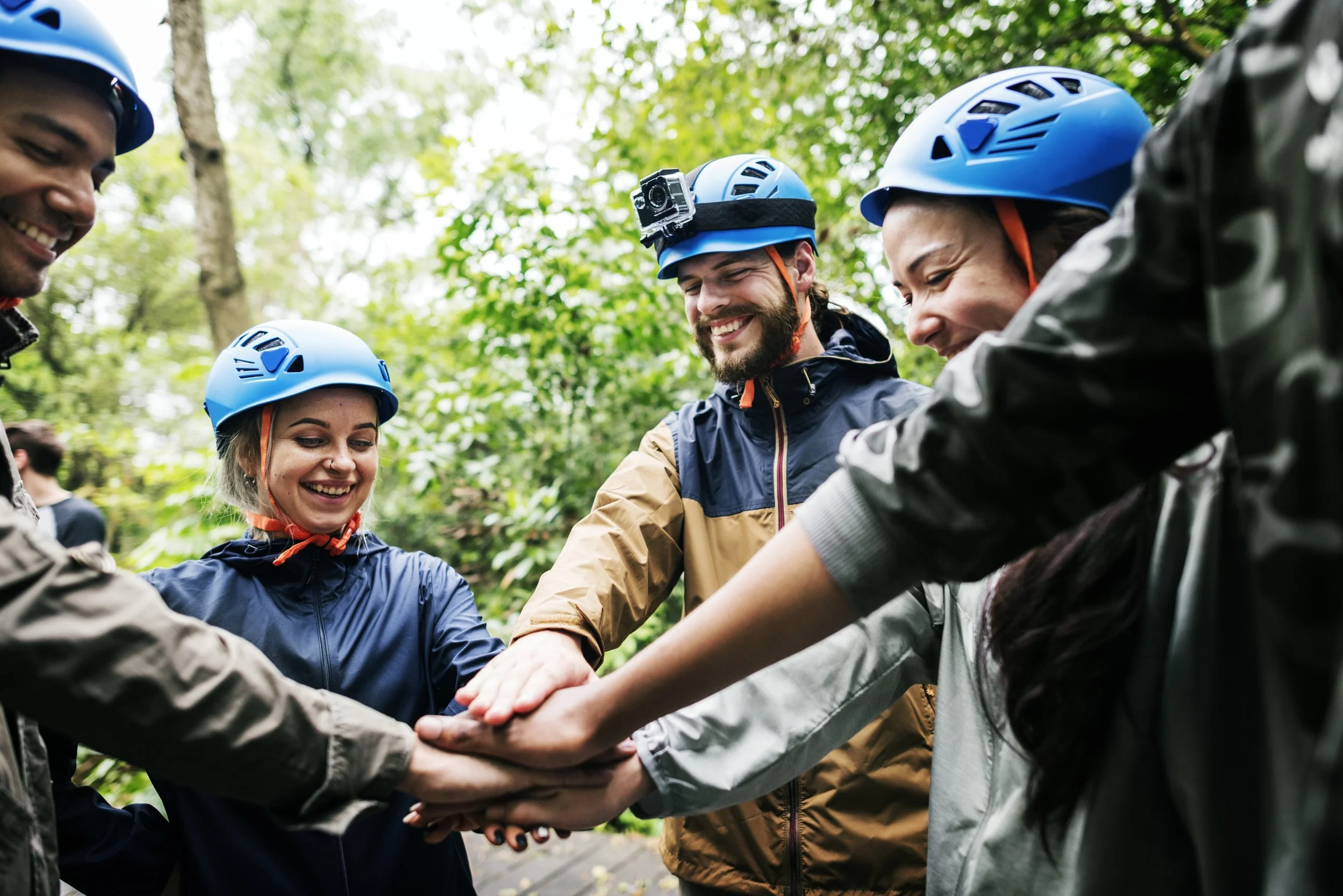
There’s something about rappelling into a canyon together that bonds people faster than any icebreaker. Whether you go all-in on river rafting or opt for a guided hike, shared adventure strips away job titles and invites trust. It’s not about danger—it’s about doing something real, together.
Remote Venues Mean Real Disconnection
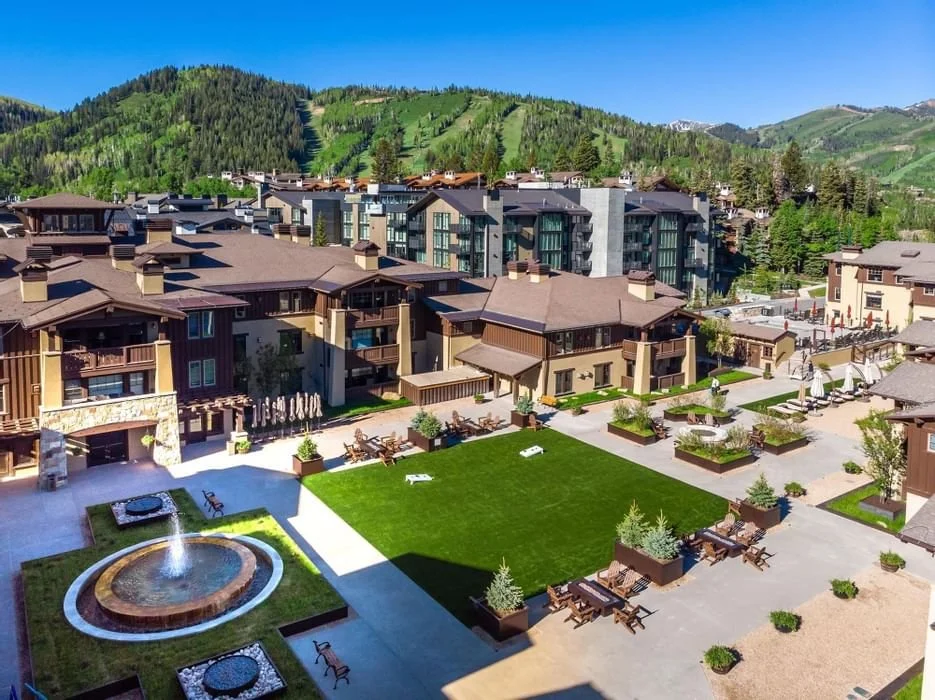
In Utah, isolation is a feature. Sorrel River Ranch in Moab backs onto red rock cliffs with the Colorado River as your only neighbor—meaning no distractions during focus sessions. Amangiri near Canyon Point sits on 600 acres of high desert where cell service is spotty and that's the point. Up north, Stein Eriksen Lodge in Deer Valley offers Norwegian-inspired luxury with enough seclusion that your team can finally hear each other think.
These properties don't just offer meeting rooms—they create environments where strategic clarity becomes easier to access.
It Works All Year
Snow-dusted lodges for winter alignment? Check. Desert retreats with sunrise yoga in June? Also check. Utah plays well in every season, so you can plan around your team’s rhythm, not just the weather.
Getting Your Team There (And Why It's Easier Than You Think)
Salt Lake City International Airport is your main hub, with direct flights from every major U.S. city and a recent $4 billion renovation that makes arrivals smooth. From there, most retreat venues fall within a two-hour radius:
Northern Venues:
Park City and Deer Valley resorts: 35-40 minutes from SLC
Sundance Mountain Resort: 50 minutes from SLC
Southern Venues:
Moab-area properties: 3-hour scenic drive from SLC, or 50-minute flight to Canyonlands Field
Zion-area venues: 90-minute flight to St. George Regional Airport, or 4-hour drive from Las Vegas (convenient if you're combining retreat with client entertainment)
For international teams or smaller markets, connecting through Denver or Phoenix often yields better pricing than direct SLC routes. Most established venues coordinate shuttle services, though rental cars give teams flexibility for off-site dinners or optional activities.
Logistics Advantage: Driving from SLC to higher-elevation venues lets your team acclimatize gradually. Flying into regional airports means you're immediately at elevation—plan a lighter first afternoon if your team's coming from sea level.
What Makes a Utah Retreat Actually Fail (And How to Avoid It)
Underestimating Activity Difficulty
That "moderate" canyon hike at 6,000 feet hits different for sea-level teams. Vet every activity with your venue coordinator and ask about actual exertion levels, not marketing descriptions. Build in easier alternatives for team members with mobility considerations or altitude sensitivity.
Overpacking the Schedule
Utah's landscapes do psychological work even during downtime. Teams that cram every hour with structured activities often report feeling more exhausted than energized. Leave 2-3 hour blocks for unstructured time—some people will nap, others will grab coffee and sketch out ideas, a few will go explore. That's where the best conversations happen.
Ignoring the Group's Actual Fitness Range
Your most athletic team member shouldn't set the pace for everyone. Offer tiered activity options (easy riverside walk vs. challenging summit hike) so nobody feels left behind or held back. The best retreat coordinators quietly assess fitness levels during registration and build appropriate options without making anyone self-conscious.
Assuming "Rustic" Means "Charming”
Some Utah properties lean heavily into the wilderness vibe—which is great until your team realizes there's no cell service, limited power outlets, and the nearest reliable WiFi is 40 minutes away.
If your retreat includes any working sessions or requires people to stay partially connected, verify infrastructure before booking. "Authentic ranch experience" might mean composting toilets.
What Works: Team Building That Doesn’t Feel Forced
The right activity turns a “nice” retreat into something people will talk about later. Utah’s got the terrain—and the vibe—for team building that’s fresh, physical, thoughtful, and a little wild. Here’s what actually works out here.
Outdoor Adventure Challenges
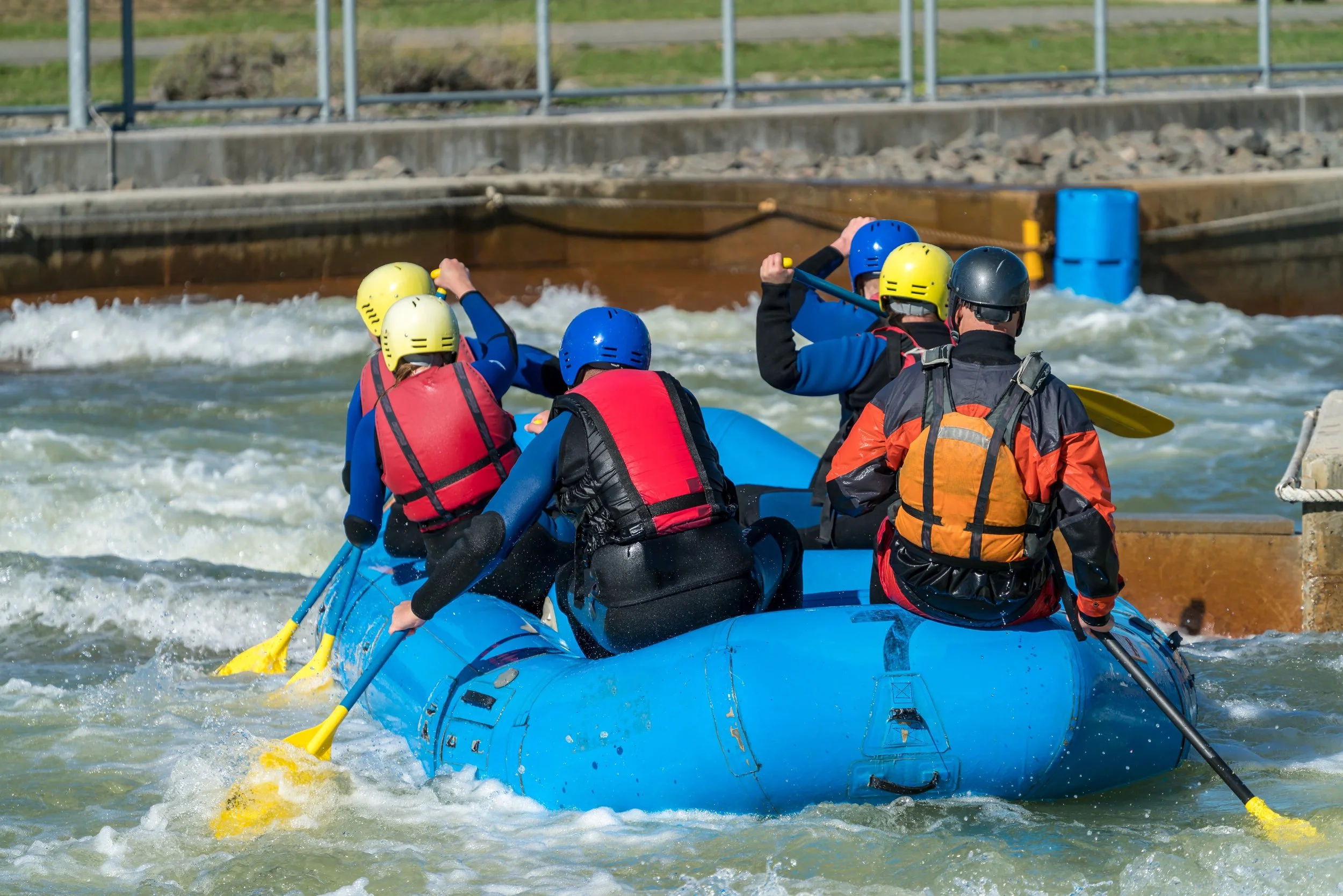
If your team’s up for some adrenaline, you’ve got options. Guided canyoneering in Zion. Whitewater rafting on the Green. Mountain biking Moab’s slickrock. Ziplining across alpine forests. These aren’t just Instagrammable—they’re trust-building, heartbeat-elevating, ego-dissolving moments that stick. Bonus: nobody’s checking Slack mid-rappel.
Canyoneering & climbing (with a local guide, please)
Whitewater rafting on the Colorado or Green
Mountain biking in Moab or Park City
Nature-Based Reflection + Wellness
Not everyone bonds on a boulder. Sometimes the reset comes from stillness. A team hike at sunrise, desert yoga, or guided mindfulness under pines are all activities that invite quiet reflection and a kind of mental clarity you don’t get in breakout rooms.
Collaborative Creative Workshops
Circle up around a fire. Tell stories. Sketch out your team vision in an open canyon amphitheater. Creativity opens up in fresh air, especially when nobody’s judging your handwriting. This is where emotional intelligence grows up and stretches its legs.
Service & Stewardship
Trail work in a national park or helping with local conservation efforts flips the usual retreat narrative. Less performative bonding, more meaningful contribution. Teams that serve together see each other differently—and show up better after.
Planning a Team Retreat? We Already Packed the Snacks
Think Utah, and your mind might go to red rock cathedrals, slot canyons, or the kind of silence that makes ideas echo louder.
Now imagine trying to plan an entire team retreat around that—lodging, guides, permits, weather contingencies, dietary preferences, firewood procurement, the one person who’s “not really an outdoors person,” and twelve different Slack threads arguing over the schedule. It's… a lot.
That’s where we come in. At The Offsite, we build company retreats that do more than fill calendars—they create alignment, insight, and real momentum.
What we handle (so you don’t have to):
Destination selection based on team size, travel, and retreat goals
Fully custom itineraries with structured sessions and adventure moments
Coordination of transportation, lodging, guides, meals, and all those annoying details
Transparent, flat-fee pricing with no surprise charges, upsells, or crossed fingers
Ready to Trade Whiteboards for Wild Views?
If you’re ready to turn inspiration into execution, we’re one conversation away from making it real. Schedule your consultation and let’s get you out there.
FAQs
How far in advance should we book a corporate retreat in Utah?
Book 3-6 months ahead for most Utah venues, especially if you're targeting peak seasons. Park City and Deer Valley properties fill up 8-12 months in advance for winter ski season (December-February) and fall foliage season (late September-October). Southern Utah venues near Moab and Zion offer more flexibility but still require 2-3 months' notice for guided activities and group permits. If you're planning a last-minute retreat, some properties offer significant discounts (up to 50%) for bookings within 30 days, though your venue and activity options will be limited.
Do we need permits for team-building activities in Utah?
Resort-based activities like hiking property trails or using on-site facilities don't require permits—the venue handles everything. But if you're venturing into national parks or public lands, permits matter.
Zion National Park requires permits for canyoneering and backcountry hiking. Colorado River rafting needs permits booked months ahead through authorized outfitters. Popular activities like Angels Landing use lottery systems that can't be guaranteed even with advance planning. The good news: reputable adventure companies and retreat coordinators handle permitting as part of their service. If you're booking independently, start the permit process 60-90 days before your retreat.
Is altitude a concern for Utah corporate retreats?
It depends on your venue. Most Utah properties sit between 4,000-7,000 feet elevation. Park City and Deer Valley resorts hover around 7,000 feet, which can cause headaches, fatigue, and shortness of breath for sea-level teams during the first 24 hours. Southern Utah venues near Moab and Zion stay closer to 4,000-5,000 feet and cause fewer issues. If your team isn't accustomed to elevation, plan lighter activities for day one, keep water readily available (venues typically stock extra), and consider choosing lower-elevation properties. Driving from Salt Lake City (4,226 feet) to higher venues lets teams acclimatize gradually compared to flying directly into regional airports.
What's the best time of year for a Utah corporate retreat?
Fall (September-November): The sweet spot for Utah retreats. Temps hover in the 60s-70s statewide, aspens turn gold in the canyons, and crowds thin after Labor Day. October books fastest—reserve 4-6 months ahead if targeting peak foliage season.
Spring (April-May): Reliable weather with wildflowers blooming in southern Utah and melting snowpack making waterfalls more dramatic. Temps sit in the 60s-70s, though nights can drop to the 40s. Park City properties may have limited amenities during the ski-to-summer transition.
Summer (June-August): Split decision. Southern Utah (Moab, Zion) regularly hits 95-105°F, making midday outdoor activities genuinely uncomfortable. Northern venues like Park City and Deer Valley stay 15-20 degrees cooler with afternoon thunderstorms that clear quickly. Best window for river rafting and mountain biking—just stay north of I-70 if your team wilts in heat.
Winter (December-February): Park City and Deer Valley transform into legitimate ski destinations with 300+ inches of annual snowfall. Perfect for teams wanting morning board meetings followed by afternoon runs. Southern Utah gets occasional snow but stays accessible with heated pools and fire pits that make winter retreats feel indulgent rather than punishing.
Can Utah accommodate large corporate groups for retreats?
Yes, but your options narrow at scale. Most mid-size venues (Sundance, Sorrel River Ranch, Red Mountain Resort) comfortably handle 25-75 people with multiple meeting spaces and on-property lodging. For 75-150+ attendees, look at established resorts with serious infrastructure: Montage Deer Valley accommodates 150+ across multiple lodges, Stein Eriksen Lodge handles large groups but requires 8-12 months advance booking for peak season. Full property buyouts work for teams exceeding 100—Amangiri accommodates up to 100 with exclusive use of all facilities, though you'll need to book 12-18 months ahead and pay premium rates. At this scale, breakout rooms become critical for running concurrent department sessions without audio bleed.