
Corporate Team Building in Chicago: Best Local Experiences for All Industries
What happens when your team finally gets out of the office but ends up staring at each other across a sad conference table near O’Hare? That’s not the vibe. Corporate team building Chicago-style should feel like an experience rooted in the city—not just a quick fix with free snacks.
Chicago’s scale works in your favor. You’ve got hidden rooftops, problem-solving labs, mural-filled alleys, and food that turns group bonding into a brag-worthy meal. Whether your team’s in finance, healthcare, tech, or something beautifully messy in between, this city delivers.
Planning all of that shouldn't fall on one person's shoulders. At The Offsite Co., we use real corporate event data to design team experiences that actually match your goals—whether that's sharpening collaboration, rebuilding trust, or just getting everyone in the same room without the usual logistical nightmares. We handle venues, activities, and all the details in between, so you can focus on your team instead of vendor spreadsheets.
Why Chicago Works
Access to Everything
You’ve got world-class venues, serious tech infrastructure, and enough public space to keep things fresh. O'Hare and Midway connect to nearly every major market. The CTA and Metra mean your team can move without renting a fleet of Ubers. And whether you need a 1,000-person conference center or a 20-seat maker studio, Chicago delivers without the usual big-city price gouging.
Neighborhood Personality
Every neighborhood in Chicago has its own rhythm. The Loop gives you structure and proximity to transit. Pilsen adds color and edge with murals and creative energy. Fulton Market mixes design with industrial grit—think exposed brick and glass-walled conference rooms. Hyde Park slows things down with tree-lined streets and lakefront views. Pick the neighborhood that matches your team's energy, and the setting does half the work.
Talent Diversity
Chicago’s deep bench of facilitators spans industries, formats, and philosophies. They know how to meet teams where they are—and pull something sharper out of them.
Improv coaches who teach agility and listening
Nonprofit leaders who bring empathy and mission-focus
Corporate strategists who make metrics feel human
Artists and architects who help reframe creativity as a process
You’re not just getting a speaker. You’re getting someone who’s built to translate across contexts.
Midwestern Work Ethic + Big City Flair
Chicago's event vendors are refreshingly reliable. Venues respond to emails within hours, not days. Caterers deliver on time. Local facilitators bring substance, not just buzzwords. You get big-city polish without the attitude, which means your offsite runs smoothly while your team focuses on what matters. Plus, that skyline doesn't hurt.
10 Chicago-Rooted Corporate Team Building Ideas for Any Industry
You could host another round of breakout sessions at a generic hotel, or you could use the actual city as your backdrop. These Chicago-rooted ideas are built for real teams, real conversations, and just enough weirdness to keep people engaged.
1. Architecture River Tour + "Build Your Vision" Workshop
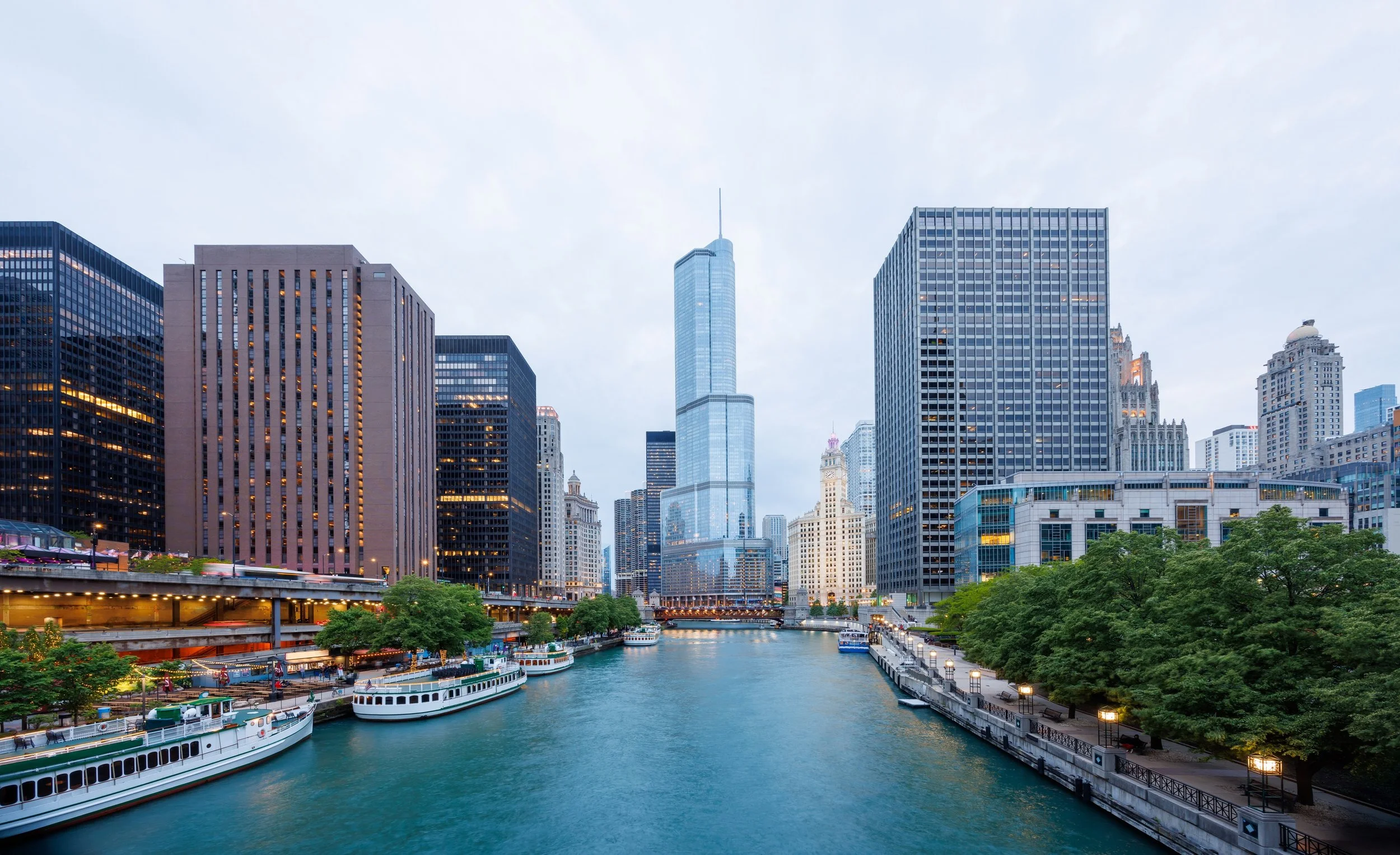
Start with the classic Chicago Architecture Foundation river cruise, but don't just sightsee—use it as a visual metaphor workshop. Each team picks a building and connects its design philosophy to a current company challenge. The Willis Tower represents bold risk-taking. The Aqua Tower shows what happens when you challenge conventional structure. Marina City proves weird ideas can become icons.
Back on land, teams present their "architectural manifestos" in a 3-minute pitch. It's part strategy session, part storytelling exercise, and entirely rooted in Chicago's skyline.
Capacity: 20–100 guests
Ideal for: Leadership teams, strategic planning offsites, groups that need fresh perspective on stale problems
2. Fulton Market Food Hall Rally
Turn Fulton Market into a competitive scavenger hunt with a culinary twist. Teams get clues that lead them to specific vendors—but they can only move forward by completing mini-challenges at each stop. Negotiate a group discount at Monteverde. Convince a chef to share their signature technique. Collect ingredients for a "mystery basket" challenge at the end.
The final round: teams use their collected ingredients to create a dish, then pitch it Chopped-style to a panel of judges (your execs, a local chef, or just the hungriest people in the room). It's part problem-solving, part negotiation practice, entirely delicious.
Capacity: 15–60 guests
Ideal for: Sales teams, cross-functional groups, anyone who works better with food involved
3. Second City Improv: "Yes, And" Workshop
Second City isn't just comedy—it's a training ground for adaptability, active listening, and collaborative problem-solving. This isn't about making your team do stand-up. It's about teaching them to build on ideas instead of shutting them down.
Through exercises like scene work, group storytelling, and rapid-fire problem scenarios, your team learns to respond instead of react. By the end, even your quietest team members are leading scenes. The confidence boost is real, and the skills transfer directly to client meetings, brainstorms, and cross-team collaboration.
Capacity: 10–50 guests
Ideal for: Creative teams, client-facing roles, groups struggling with communication or psychological safety
4. Pilsen Mural District: Art Walk + Brand Values Workshop
Walk the 16th Street corridor and use the neighborhood's world-class street art as a jumping-off point for brand and values work. Stop at 5–7 murals. At each one, teams answer a prompt:
"If our company were a mural, what would it look like?"
"What does this piece say about community? How does that connect to our team culture?"
"This artist took a risk. What's a risk we should take this quarter?"
End at a local cafe or brewery where teams present their visual "manifestos"—sketches, photos, or collages that capture their vision for the company's next chapter. Bonus: you're supporting local businesses and artists while doing real strategic work.
Capacity: 10–40 guests
Ideal for: Marketing teams, brand strategy sessions, culture-building offsites
5. Chicago Riverwalk Kayak Relay (Seasonal: May–September)
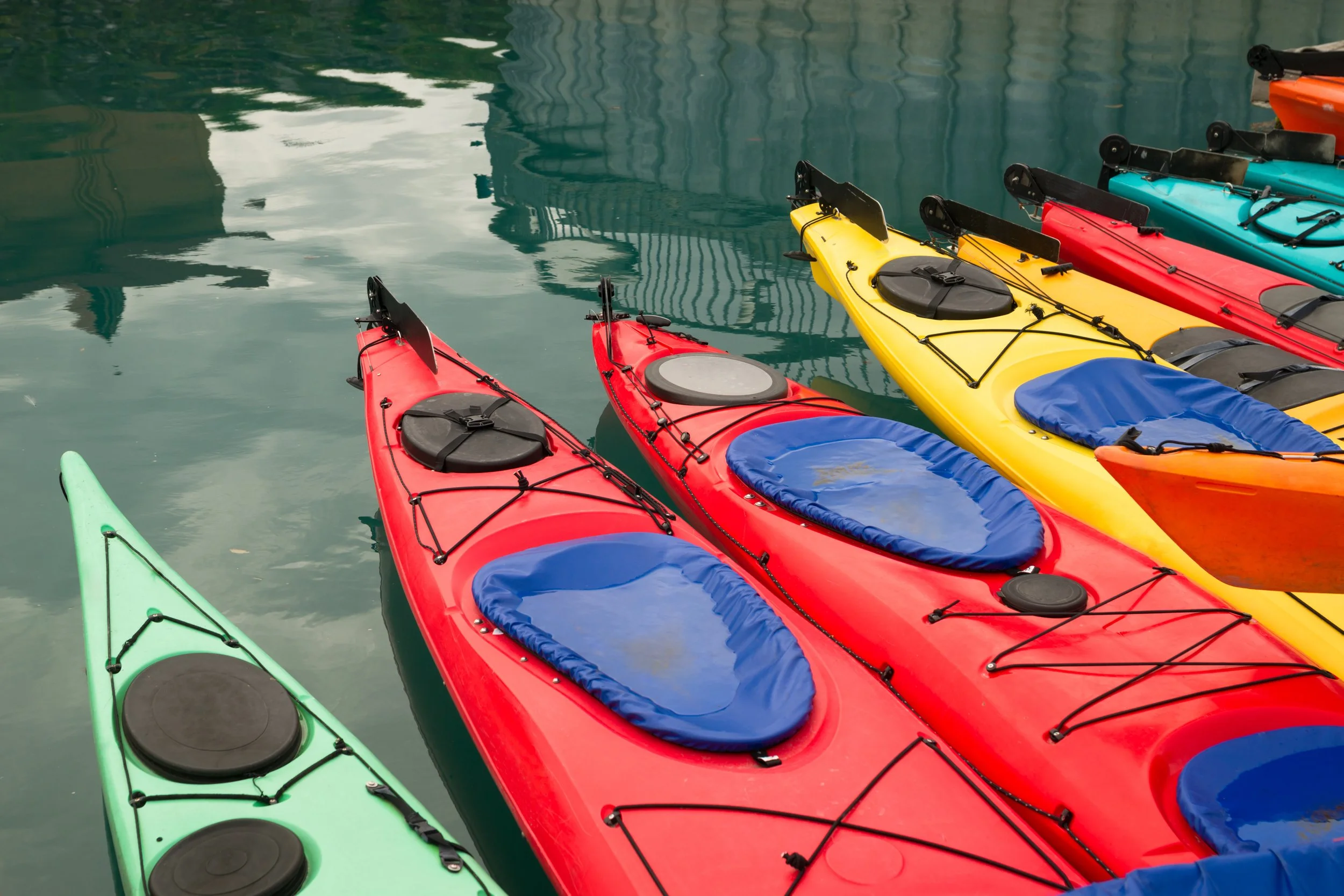
Split into teams and race relay-style down a marked section of the Chicago River. Between paddling legs, teams complete shoreside challenges:
Solve a riddle about Chicago history
Build the tallest structure from recycled materials in 5 minutes
Create a 30-second pitch for a fictional "Chicago River Cleanup Startup"
It's physical without being punishing, competitive without being cutthroat, and scenic enough that even the team members who capsized will have great stories. End with tacos and drinks at a riverwalk spot.
Capacity: 20–60 guests
Ideal for: Midsize teams, groups with mixed fitness levels, summer offsites that need outdoor energy
6. mHUB Product Lab: Prototype Sprint
Book time atmHUB, Chicago's innovation center for physical product development. Your team gets access to 3D printers, laser cutters, electronics stations, and expert mentors. The challenge: prototype a new product (real or fictional) in 3 hours.
Teams sketch, build, test, and pitch their creations. Whether you're prototyping an actual feature for your roadmap or just designing "the perfect office coffee system," the hands-on making process forces collaboration in ways a whiteboard never will. Plus, you leave with actual physical prototypes.
Capacity: 10–40 guests
Ideal for: Product teams, engineering groups, anyone in hardware/manufacturing, innovation-focused offsites
7. Deep Dish Debates at Lou Malnati's or Pequod's
Reserve a private room at one of Chicago's legendary deep-dish spots. While you wait for pizzas to bake (because deep dish takes time), run structured mini-debates on company challenges:
"Should we prioritize speed or quality in Q1?"
"What's more important: customer acquisition or retention?"
"Remote-first vs. hybrid: which actually works?"
Each team gets 3 minutes to argue their side, then the group votes. The debates are lighthearted but substantive. When the pizza arrives, declare a truce and eat. Some of the best insights happen when people are relaxed, full, and laughing.
Capacity: 12–50 guests
Ideal for: Leadership offsites, cross-functional strategy sessions, teams that need to tackle controversial topics in a low-stakes environment
8. Garfield Park Conservatory: Biomimicry Strategy Session
Host your strategy session inside one of the largest conservatory spaces in the country. Surrounded by tropical plants, desert ecosystems, and natural light, teams explore biomimicry—how nature solves problems—and apply it to company challenges.
How does a forest ecosystem handle resource allocation? What can a desert plant teach us about resilience? How do coral reefs model collaboration? Work with a facilitator who guides teams through observation exercises, followed by breakout strategy sessions. The setting isn't just scenic—it actively shifts how people think.
Capacity: 15–80 guests
Ideal for: Sustainability-focused companies, innovation teams, groups tackling complex systems problems
9. 606 Trail Walk + Rolling Strategy Sessions
The606 is a 2.7-mile elevated trail cutting through four Chicago neighborhoods. Use it as a literal and metaphorical journey through your company's challenges. Break your team into small groups (4–6 people) and assign each one a strategic question. As they walk, they discuss. Every half-mile, groups stop, rotate questions, and build on what the previous team started.
End at a brewery or cafe where groups present their insights. The combination of movement, fresh air, and rotating perspectives produces sharper thinking than any conference room ever could.
Capacity: 15–100+ guests
Ideal for: Large groups, strategic planning sessions, teams that think better while moving
10. Chicago Neighborhood Challenge: Multi-Site Exploration
Assign each team a different Chicago neighborhood—Logan Square, Bronzeville, Andersonville, Bridgeport—and give them a mission:
Document three things that represent "community"
Find a local business and learn their founding story
Discover something unexpected and share why it matters
Teams explore for 2–3 hours, then reconvene to share what they learned through photos, videos, or quick presentations. It's part scavenger hunt, part anthropology project, and a genuine way to experience the diversity and creativity that makes Chicago work.
Capacity: 20–100+ guests
Ideal for: Large teams, new hire onboarding, groups that need to understand diverse perspectives or customer empathy
Planning Across Teams—Designing Experiences That Scale
Start with Outcomes
Before you pick a venue or activity, get clear on the point. Are you onboarding a dozen new hires? Trying to repair trust between functions? Building alignment for a product launch? The goal shapes the structure. The structure shapes the experience. Don’t start with an activity. Start with the outcome.
Mix and Match Formats
No one wants to workshop all day. But too much “fun” without reflection leaves everyone a little hollow. The sweet spot is in the blend. Combine structured strategy sessions with hands-on creative time. Mix reflection exercises with unexpected moments—improv, cooking challenges, maybe even a museum mission. Let the format breathe.
Use Neighborhood Mapping to Break Out Groups
Instead of splitting teams randomly, assign each one a neighborhood. Not just for logistics, but for vibe. One team gets Pilsen, another takes the Loop, a third explores Logan Square. Build a challenge into each location: document, connect, pitch something. They come back with stories, visuals, and a sense of ownership that sticks.
Planning a Team Experience in Chicago? We’ve Got You
At The Offsite, we design full-service, headache-free team building and retreat experiences—tailored to your goals and your city. For corporate team building in Chicago, we mix local expertise with full logistical muscle. You don’t need to juggle RSVPs, vendor quotes, or “just one more idea” from every department. We’ve got it.
What You Actually Get When You Work With Us
Venue scouting and itinerary planning rooted in Chicago’s best neighborhoods
Custom team-building activities with real strategy baked in
Full logistical support: transport, meals, materials, backup plans
Budget tracking that doesn’t surprise anyone in finance
Flat-fee pricing, no vendor chaos, and full transparency from day one
Your Team’s Best Offsite Is One Click Away
At The Offsite, we take care of the planning, the vendors, the pacing, and the purpose. You get credit for an event that actually works. Book a consultation and let’s design something that fits your team, your budget, and your goals—with zero chaos and zero “just wing it” energy.
Frequently Asked Questions
What's the typical cost per person for corporate team building in Chicago?
Most professional team building activities in Chicago range from $30 to $150 per person, depending on the type of experience, group size, and duration. Budget-friendly options like scavenger hunts and simple escape rooms typically fall in the $30-50 range, while mid-range experiences like improv workshops and cooking classes run $50-100 per person. Premium full-day experiences with facilitators, materials, and meals can reach $100-150+ per person. Larger groups often negotiate lower per-person rates, and virtual activities tend to cost less than in-person events.
At The Offsite Co., we work within your budget to design experiences that maximize value without cutting corners on quality. Our flat-fee model means full transparency from day one.
When is the best time of year to plan team building in Chicago?
Late May through early October offers the most flexibility for both indoor and outdoor activities. Summer (June-August) is peak season with temperatures from 70-83°F, perfect for river activities, rooftop events, and outdoor challenges—but book early because venues fill fast. September through early October is Chicago's sweet spot: comfortable 50-60°F weather, fewer tourists after Labor Day, lower hotel rates, and stunning fall colors along the Riverwalk.
Winter (November-March) brings cold temps averaging 20-40°F with frequent snow, but Chicago's indoor scene is built for this. Second City, mHUB, cooking studios, art museums, and heated venues offer excellent cold-weather alternatives. Spring (April-May) sees unpredictable 40-70°F temps with rain, making it ideal for indoor venues with outdoor backup options.
What's the best team building activity for small groups vs. large groups?
Small groups (5-20 people) thrive with intimate, high-engagement activities like Second City improv workshops, mHUB prototype sprints, cooking challenges, or deep-dish debates in private rooms. These formats create depth and personal connection that larger settings can't match. Large groups (50+ people) need scalable formats that maintain energy without losing individuals in the crowd. Neighborhood scavenger hunts work well because you can split into teams of 4-6 that explore different areas, then reconvene to share insights. The 606 Trail, Fulton Market food rallies, and architecture boat tours with team challenges also scale effectively for bigger groups.
The key difference: small groups benefit from depth and direct facilitation, while large groups need structure that creates smaller pods with built-in opportunities to connect and compete.
Can we do outdoor team building in Chicago year-round?
Chicago winters average 31°F in January with frequent snow, so outdoor activities work best from May through October when temperatures range from 60-83°F. That's your window for river kayaking, 606 Trail walks, rooftop challenges, Pilsen art walks, and lakefront activities. November through April, embrace Chicago's world-class indoor options—they're specifically designed for this climate:
Second City improv and escape rooms
mHUB maker sessions and cooking competitions
Museum challenges and deep-dish debates
Venues connected by the Pedway (downtown's underground walkway system)
How far in advance should we book team building activities in Chicago?
Book at least 6-8 weeks out for most activities, especially during peak season (June-September). Popular venues like Second City, mHUB, and architecture tours often book 2-3 months ahead in summer, and large groups (30+) need 8-12 weeks for venue availability and custom planning. Last-minute bookings under 3 weeks severely limit your options and often increase costs. If you're coordinating flights or hotel blocks, add another 4-6 weeks to lock in group rates and avoid scrambling.