
Corporate Team Building in San Francisco: Innovative Ideas for Modern Workforces
If your company is based in the Bay—or flies in for strategy weeks—you need corporate team building activities San Francisco teams will actually look forward to. Ones that reflect the same creativity and intelligence your team brings to work.
Forget cookie-cutter workshops. SF offers a blend of tech, art, nature, and cultural immersion that can reignite connection and culture—without the eye-rolls. The trick is matching the right activity to your team's actual energy and goals—whether you're bonding a remote-first team, rebooting in-office dynamics, or giving leadership space to think outside the usual conference room.
That's where The Offsite Co. comes in. Using real event data and insights from hundreds of corporate retreats, we design San Francisco experiences that move the needle on culture and connection. We handle venues, activities, and logistics so you can focus on what matters. Let's plan your retreat and build something your team will talk about for the right reasons.
How to Plan Team Building That Works in San Francisco
San Francisco is packed with potential. Parks, views, historic districts, street food, weird museums—it’s all there. But planning a team experience in a city with hills, microclimates, and bridge traffic takes more than a shared doc and a few good vibes. It takes intention, flexibility, and a solid understanding of what actually works here.
Get those things right, and you’ve got the foundation for a team day that delivers connection, momentum, and a little magic. Here’s what to keep in mind while building your plan.
Consider Accessibility
San Francisco’s charm includes staircases disguised as streets and scenic views that require calves of steel. Choose venues and routes that work for all mobility levels. That means checking elevation, offering ride options, and not assuming “a short walk” means the same thing to everyone.
Time It Right
Morning fog is part of the brand here. If you're planning outdoor activities, aim for midday to early afternoon when things warm up and visibility returns. Indoor sessions? Early starts are fair game. Always check the microclimate—it’s real, and it changes by neighborhood.
Mix Formats for Full Engagement
Not everyone wants to run through Golden Gate Park with a GoPro. Combine physical challenges with creative and reflective moments. Start with a design sprint, move into a collaborative build, and wrap with structured downtime. The variety keeps energy up without draining anyone.
Physical (scavenger hunts, walking tours)
Creative (mural painting, storytelling)
Reflective (vision exercises, small-group prompts)
Build in Buffer Time
This is San Francisco. Even the most streamlined plan can hit a delay—bridge traffic, cable car hiccups, or a full-blown wild parrot sighting. Pad your schedule so teams can breathe, arrive relaxed, and enjoy without staring at the clock.
10 Innovative Corporate Team Building Activities in San Francisco
When your team is based in (or visiting) a city known for reinvention, your team building should follow suit. These aren’t your standard conference room icebreakers. They’re immersive, interactive, and rooted in the kind of creativity only San Francisco can offer.
1. Golden Gate Park Adventure Race
Part scavenger hunt, part cardio, part spontaneous performance art. Teams dash through the park solving trivia, snapping photos, and occasionally breaking into dance. The format combines physical movement with problem-solving—no athletic ability required, just willingness to look slightly ridiculous in public.
The beauty is in the versatility. Scale difficulty based on fitness levels, add company-specific trivia, or throw in creative wildcards like "compose a haiku about your product roadmap." It's adaptable enough for teams of 15 or 150, and the park's sprawling layout means groups rarely cross paths until the final meeting point.
Team size: 15–150 participants
2. Design Thinking Sprint at Crissy Field
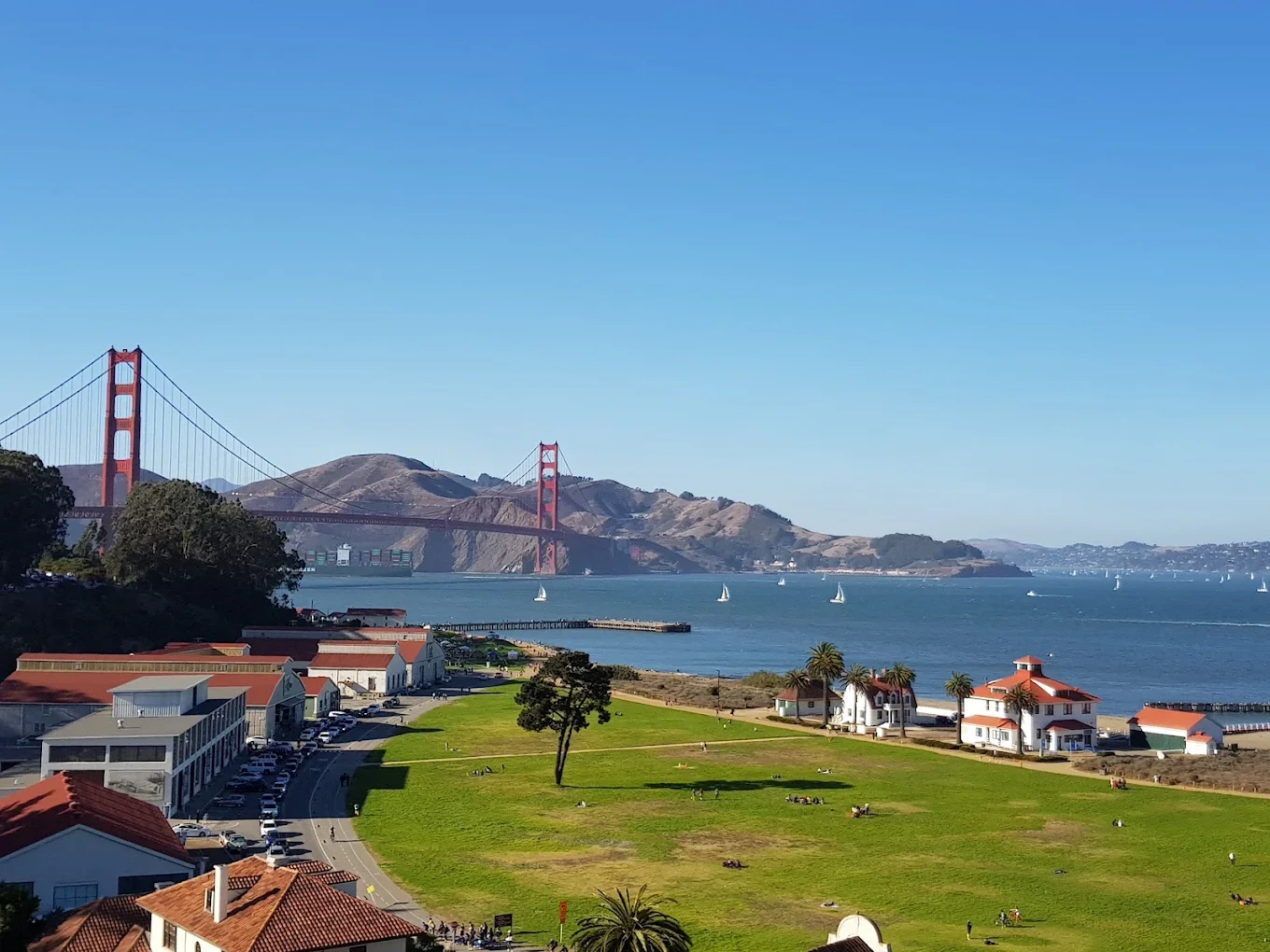
With the Golden Gate Bridge as your backdrop and the Bay stretching out before you, teams tackle real business challenges using design thinking frameworks. Give them markers, oversized Post-its, and actual problems from your pipeline—then watch how collaboration shifts when you're not trapped indoors. The outdoor setting does something to brains. Ideas flow differently. People who normally stay quiet in conference rooms suddenly have opinions.
What makes it work:
Rapid 20-30 minute cycles keep energy high
Weather-resistant materials (wind is real here)
Gallery-walk presentations with peer voting
Facilitator who can pivot if fog rolls in
Team size: 12–50 participants
3. Collaborative Mural-Making in the Mission
Partner with a local artist in the Mission District and create a large-scale mural that reflects your team's values, vision, or inside jokes. It's expressive, a little messy, and surprisingly effective at unlocking real conversations people wouldn't have in a meeting room. No artistic skills required—the artist guides composition and technique while your team contributes ideas, brushstrokes, and commentary.
The mural becomes a physical artifact of collaboration. You can install it in your office afterward, turning a one-day activity into a lasting cultural touchpoint. Teams often photograph themselves with their section, post it on Slack, or reference it months later during tough projects as a reminder of what they're capable of building together.
Team size: 10–40 participants
4. Alcatraz Team Storytelling Challenge
After exploring Alcatraz Island and absorbing its history, your team breaks into small groups to craft short stories, guided reflections, or fictional escape plans inspired by the experience. It's part history lesson, part creative writing exercise, and a surprisingly effective way to surface leadership styles, communication patterns, and how people process shared experiences differently.
The isolation and intensity of Alcatraz naturally prompt deeper thinking. Some teams lean into the escape narrative as a metaphor for overcoming business obstacles. Others use it as a reflection on resilience, systems, or what it means to work within constraints. A skilled facilitator can tie these threads back to your company's current challenges without forcing the metaphor.
Logistics note: Ferry tickets require advance booking, especially for groups over 20. Plan for 3–4 hours total, including transit time.
Team size: 15–60 participants
5. Lands End Coastal Trail Hike with Rotating Reflection Prompts
Trade meeting rooms for ocean views and cliffside trails. Teams hike the Lands End trail in rotating pairs, guided by conversation prompts that shift every 15 minutes. Topics range from strategic ("What's one assumption we should challenge this quarter?") to personal ("What's energizing you outside of work right now?").
What makes it work:
Mostly flat trail with ocean views that do half the emotional work
Spotty cell service eliminates tech distractions
Ends at Cliff House or Sutro Baths ruins for group debrief
Low physical intensity, high psychological impact
Team size: 10–40 participants
6. Pier 39 Street Performance Improv
Start by watching the street performers at Pier 39—musicians, mimes, living statues, magicians. Then teams create and perform their own 3-minute acts: a pitch, song, skit, interpretive dance, or whatever chaos emerges. You'll assign roles (director, performer, hype person), give them 45 minutes to prepare, and turn them loose on an audience of tourists and seagulls.
Why it works:
Public setting adds stakes without genuine terror
Breaks down walls faster than any trust fall
Forces collaboration under 45-minute time limit
Creates stories that survive the retreat (CFO beatboxing, anyone?)
Team size: 12–60 participants
7. Exploratorium Interactive Museum Circuit
Each team gets a custom mission pack at the Exploratorium—curiosity-driven challenges that send them through the museum solving puzzles, documenting discoveries, and occasionally questioning the laws of physics. You'll learn more about how your coworkers think, experiment, and laugh under (very mild) pressure than you would in six months of Zoom calls.
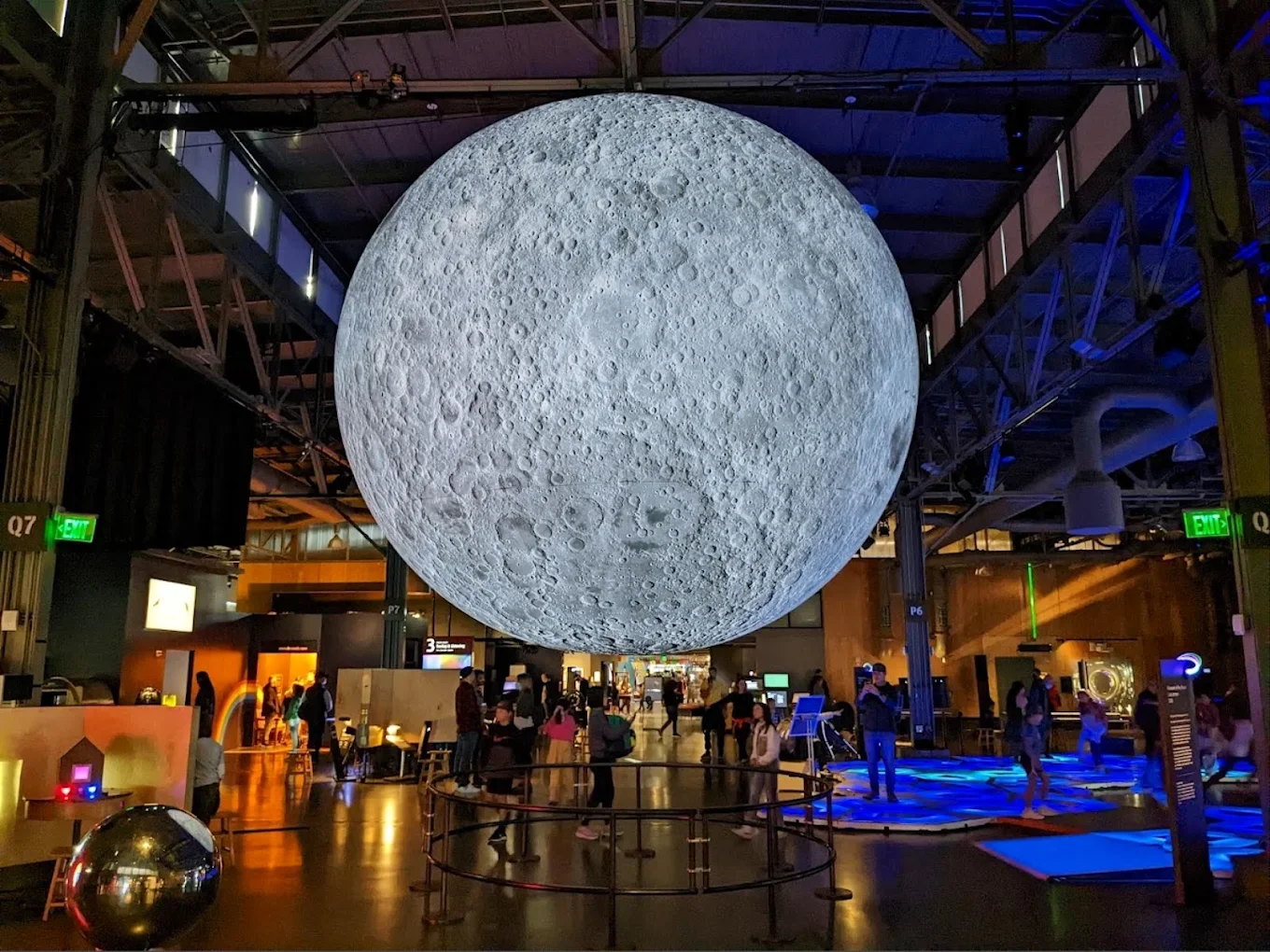
The museum's interactive exhibits naturally prompt conversation. Teams debate optical illusions, troubleshoot mechanical puzzles, and generally rediscover what it feels like to be curious without a deliverable attached. Wrap with a debrief session in the museum's bay-view space, connecting what they learned about collaboration to how your team operates day-to-day.
Team size: 15–80 participants
8. Ferry Building Farmers Market Culinary Challenge
Armed with a budget and empty stomachs, teams curate a three-item lunch from the Ferry Building Farmers Market vendors. Then they brand their meal concept, create a pitch deck (using nothing but napkins and borrowed pens), and present like they're launching a food startup. Judging criteria: creativity, taste, storytelling, and whether they stayed under budget.
What you'll need:
Pre-loaded gift cards or cash envelopes for team budgets
Judging panel (volunteers or local food writers)
Outdoor seating for pitch presentations
Appetite for artisan cheese, fresh oysters, and sourdough the size of your torso
Team size: 12–50 participants
9. SoMa Rooftop Yoga & Vision Mapping
Start with 30 minutes of gentle yoga on a SoMa rooftop—nothing intense, just enough movement to shake off the work brain. Then transition into paired vision mapping: small groups discuss quarterly goals, team energy, and what they need from each other to thrive. The combination of physical release and structured reflection creates space for conversations that feel both grounded and ambitious.
The rooftop setting matters. You're above the city noise but still connected to it—cranes in the distance, tech campuses visible below, the hum of growth all around you. It reinforces that you're part of something bigger while creating intimacy within your group. End with individual journaling time and optional shares with the full team.
Team size: 10–35 participants
10. Ocean Beach Sunset Ideation Session
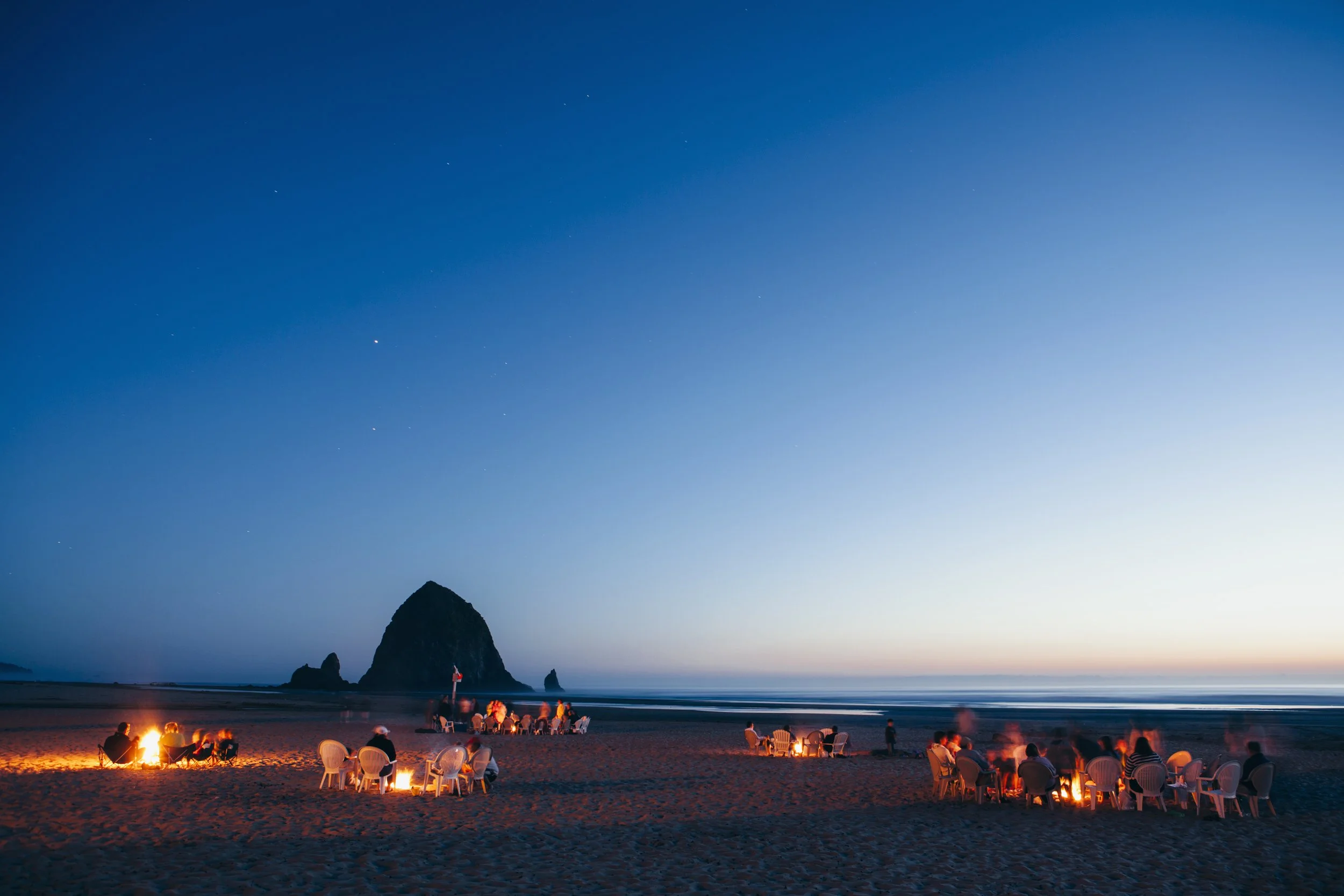
Set up fire pits, blankets, and thermoses of hot cocoa along Ocean Beach. Give your team a single, open-ended prompt: "What's something we want to build together this year?" or "What would make this team unstoppable?" Let the conversation roll as the sun drops and waves crash behind it. No formal structure, no forced facilitation—just space for the ideas that only surface when people feel relaxed and heard.
Logistics:
Fire pit permits required (or use venue with established setup)
Bring layers—Ocean Beach is cold even in summer
Backup indoor location if wind becomes unbearable
Best for intimate groups where everyone can hear each other
Team size: 8–30 participants
The Offsite: Seamless San Francisco Retreats for Modern Teams
At The Offsite, we specialize in creating company offsites and corporate team building experiences that are high on connection, low on stress, and built for teams who expect more than hotel ballrooms and trust falls. We know San Francisco—its quirks, its talent, its venues—and we know how to turn a few good ideas into something your team will still be talking about six months later.
We've supported hundreds of teams through high-growth pivots, post-merger integrations, and milestone celebrations—with a 97% year-over-year client retention rate. Flat-fee pricing, fully managed logistics, and retreats that are actually fun.
What We Handle (So You Don’t Have To)
Full service from concept to cleanup—led by your dedicated Retreat Producer
Custom team building designed with strategy and culture in mind
All-in vendor management with 8–12% average cost savings
Venue sourcing from the largest vetted retreat venue database
Budget tracking and timeline management built to keep your finance team calm
Shared Retreat Roadmap™ so everyone’s in the loop
Launch tools like RSVP portals and itinerary previews
On-site coordination so you don’t have to play air traffic control
Let’s Build a Bay Area Experience Worth Repeating
Book a consultation with The Offsite and let’s build a retreat that’s not just seamless—it’s unforgettable, strategy-aligned, and fun in all the right ways. You bring the team. We’ll bring everything else.
Frequently Asked Questions
What's the average cost per person for team building activities in San Francisco?
Expect to spend anywhere from moderate to premium per person depending on the activity type and group size. DIY experiences like park scavenger hunts run significantly less than facilitated workshops with professional guides. Activities requiring permits, specialized equipment, or artist partnerships sit at the higher end. The Offsite Co. uses flat-fee pricing that includes all vendor costs, so you're not juggling five different invoices or discovering surprise charges after the fact.
How do we handle San Francisco's unpredictable weather during outdoor events?
Always build in a backup plan. Outdoor activities like Lands End hikes or Crissy Field design sprints can shift to indoor alternatives—museums, creative studios, or brewery spaces with private rooms. San Francisco's microclimates mean one neighborhood might be sunny while another's socked in with fog. Experienced planners monitor forecasts closely and make final decisions 24-48 hours before the event. Indoor venues with outdoor components (rooftops with covered areas, parks near sheltered spaces) give you flexibility without completely scrapping your plans.
Can we customize these activities to reflect our company culture or current business goals?
Absolutely. Most facilitators and venues expect customization requests. Scavenger hunt clues can reference company milestones, mural themes can visualize your mission statement, and reflection prompts can tie directly to quarterly objectives. The key is communicating your goals upfront so activities feel integrated rather than generic. The Offsite Co. designs every experience around your specific situation—whether that's rebuilding trust after layoffs, integrating acquired teams, or celebrating a major launch.
Which San Francisco neighborhoods work best for different types of team events?
The Financial District and SoMa offer polished venues, hotel proximity, and easy transit access—ideal for corporate groups prioritizing convenience. The Mission delivers creative energy with artist studios, murals, and cultural immersion. Presidio and Crissy Field provide outdoor space with stunning views for reflection-heavy retreats. North Beach combines walkability with food-focused experiences.
Your choice depends on whether you want urban polish, creative grit, or natural inspiration. Most teams benefit from mixing neighborhoods across a multi-day retreat.
Do these activities work for teams meeting in person for the first time?
Yes, and they're especially effective for it. Physical collaboration—building something together, solving puzzles, creating art—forces interaction in ways virtual meetings never could. Activities with rotating partners or small group configurations ensure everyone connects with multiple teammates rather than clustering with the one person they already know from Slack. First-time meetups benefit most from activities that balance structure (so nobody feels lost) with informal moments (so people can actually talk).
How far in advance should we book venues and activities in San Francisco?
Six to eight weeks gives you solid options, especially for popular outdoor venues or activities requiring permits. Summer months and September (conference season) book faster, so add extra lead time if you're planning around peak periods. Winter and early spring offer more flexibility with 3-4 weeks' notice. If your retreat coincides with major SF events—Dreamforce, Pride, Fleet Week—book earlier to avoid venue conflicts and hotel rate spikes.