
Executive Leadership Retreats: Structure, Strategy, and Setting
A well-timed executive leadership retreat can create the conditions for clarity, alignment, and momentum. With the right structure and space, leadership teams step away from daily noise and step into deeper strategy, shared perspective, and meaningful decisions that shape what’s next.
But most leadership offsites fall flat—overpacked agendas, generic hotel ballrooms, no room to breathe. The difference comes down to design: knowing how much structure to build in, which environments support honest conversation, and how to create the rhythm that lets real strategy emerge.
At The Offsite Co., we've designed executive retreats for companies navigating pivots, transitions, and high-stakes planning. We know which venues offer real privacy, how to structure agendas that balance focus with breathing room, and how to facilitate conversations that move teams forward instead of just filling time.
How Leaders Recharge, Refocus, and Reconnect
An executive leadership retreat brings together the people who guide the company’s direction. The format matters, but the tone matters more. When the right structure and space come together, a good team turns sharp. A sharp team turns decisive.
What Makes an Executive Retreat Different
These offsites call for a different kind of energy. The stakes are higher, the group is smaller, and the goals are often long-range and complex. It's not just about stepping back—it's about stepping forward with purpose.
Smaller group, higher stakes
Confidential conversations and strategic decisions
Needs quiet, focus, comfort, and complete privacy
Time must be structured but breathable
Setting must support both clarity and creativity
These retreats carry the weight of what’s next. Every detail should reflect that.
Why Retreats Matter at the Executive Level
Leadership teams move fast. A retreat is one of the rare moments to slow down—on purpose—and look at what’s actually driving the momentum. It’s a chance to reset direction, recalibrate priorities, and create space for the kind of thinking that gets buried in daily execution.
The best decisions often emerge outside the boardroom. When leaders step away from their usual pace and surroundings, patterns surface. Conversations deepen. Ideas sharpen. A well-timed retreat doesn’t pause the business. It strengthens its core.
Ten Executive Leadership Retreat Venues With Real Gravity
An executive leadership retreat only works when the setting matches the stakes. These seven venues offer the quiet, comfort, and focus that serious strategy deserves—without distraction, noise, or anything ornamental.
1. The Madeline Hotel & Residences—Telluride, Colorado
High-altitude hideaway with remote calm and five-star service. Mountain stillness creates space for concentrated planning and visioning work. Private meeting rooms with natural light, spa amenities for downtime, and complete isolation from distractions.
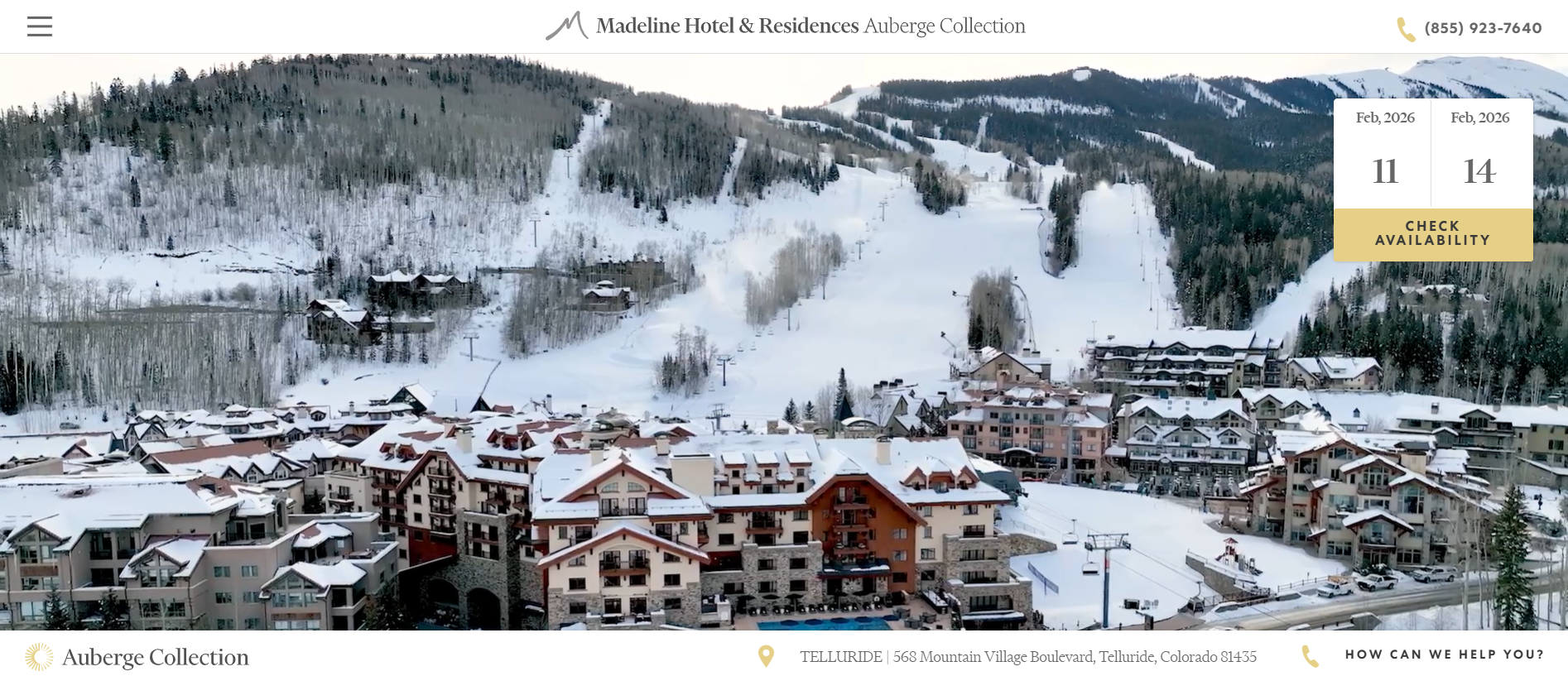
The altitude itself creates a subtle energy shift—teams report clearer thinking and sharper focus. Telluride's remoteness means zero drop-ins, no distractions, just uninterrupted time for the work that matters.
Capacity: 10–25
Best for: Concentrated planning and visioning with tight-knit teams.
2. White Barn Inn—Kennebunk, Maine
New England quietude meets refined coastal atmosphere. Made for honest discussion, long walks, and brand recalibration. Privacy is built in, and the intimate scale keeps conversations focused and productive.
The inn's proximity to coastal trails provides natural breaks for reflection between sessions. Morning strategy work transitions easily into afternoon walks that let ideas settle before evening synthesis.
Capacity: Up to 20
Best for: Brand recalibration and honest strategic discussion.
3. Sensei Lanai—Lanai, Hawaii
Wellness-focused Hawaiian retreat where everything—meals, movement, meeting space—supports teams in reset mode. The pace slows, the air shifts, and clarity arrives naturally rather than being forced through packed agendas. Custom wellness programming integrates seamlessly with strategic sessions, giving teams tools for sustained focus and resilience.
Capacity: 10–15
Best for: Leadership teams needing wellness-integrated strategic work.
4. Amangiri—Utah
Desert stone and sky create the backdrop for unhurried, off-the-grid work. Uninterrupted time, elemental design, and complete isolation from the outside world. Strong choice for M&A prep or annual direction-setting where confidentiality matters.
The minimalist aesthetic removes visual noise, helping teams stay focused on what actually requires their attention. No cellular service means no interruptions—just presence and depth.
Capacity: 10–30
Best for: M&A prep or annual direction-setting requiring total privacy.
5. Meadowood Napa Valley—California
Vineyard escape with space to spread out and lean in. Structured sessions pair naturally with culinary experiences and wellness programming. Allows teams to balance intense focus with genuine restoration. The property's layout creates natural gathering points while still offering private spaces for breakout conversations or quiet reflection.
Capacity: 15–40
Best for: Post-growth realignment or cultural recalibration.
6. Twin Farms—Vermont
Privately owned estate curated in every sense—art, architecture, natural surroundings all reflect intentionality. Supports introspection and shared clarity for work that needs to create lasting impact beyond the retreat itself.
Every detail here speaks to craftsmanship and care, which sets a tone teams carry into their strategic conversations. The property feels like a private home, not a hotel, which encourages the kind of openness hard decisions require.
Capacity: 10–20
Best for: Strategic work requiring introspection and lasting clarity.
7. Shou Sugi Ban House—Water Mill, New York
Clean lines, plant-rich design, and spa-like rhythm create grounded energy. Thoughtful meals, stillness, and high-function meeting spaces give executive teams space to plan their next chapter without feeling rushed or overscheduled. The Hamptons location offers accessibility for East Coast teams without sacrificing the retreat-like atmosphere that makes deep work possible.
Capacity: 10–18
Best for: Teams planning next-chapter strategy with grounded focus.
8. Blackberry Farm—Walland, Tennessee
Smoky Mountain estate with farm-to-table dining and Southern hospitality done right. Combines luxury with approachability—intimate meeting spaces, outdoor activities, and a setting that encourages teams to relax into hard conversations.
The property's emphasis on craft and community creates an environment where executives feel comfortable being honest. It's polished without being precious, which helps teams drop pretense and focus on substance.
Capacity: 15–35
Best for: Teams needing approachable luxury and Southern charm.
9. Dunton Hot Springs—Dolores, Colorado
Restored ghost town turned exclusive mountain retreat. Completely private, entirely off-grid, with natural hot springs and hand-restored cabins. Creates the conditions for teams to disconnect entirely and focus without modern distractions. The property can be booked as a full buyout, ensuring absolute privacy for sensitive strategic discussions.
Capacity: 10–20
Best for: Teams requiring complete isolation and digital detox.
10. Miraval Berkshires—Lenox, Massachusetts
Wellness resort that balances mindfulness programming with executive-level accommodations. Offers structured facilitation support, movement-based activities, and meeting spaces designed for teams working through transitions or cultural shifts.

The staff here understands how to integrate wellness into leadership work without it feeling forced or performative. Programs are customizable, so teams get what they need—whether that's morning meditation, afternoon hiking, or just space to think.
Capacity: 20–40
Best for: Teams navigating transitions or cultural shifts with wellness integration.
What Executive Teams Actually Need From A Retreat
Most leadership offsites fail because they're designed around logistics instead of outcomes. The best executive retreats are built backward—starting with what needs to shift, then shaping structure and setting to support that shift.
The Balance Between Structure And Space
Executive teams need enough structure to stay focused, but too much kills the conversations that matter most. The sweet spot is 60% structured sessions and 40% unstructured time—meals, walks, downtime where real alignment happens organically.
Overscheduled agendas backfire. When every hour is blocked, teams rush through critical discussions to stay on schedule. The result is surface-level alignment that falls apart under pressure. Build in white space deliberately—it's where breakthroughs actually happen.
Facilitation matters for difficult conversations. If your retreat involves navigating conflict, addressing performance gaps, or making hard calls about strategy, bring in a skilled facilitator. Internal dynamics can derail honest conversation when the stakes are high. A neutral third party keeps the room focused and productive.
Privacy And Confidentiality Aren't Optional
Executive conversations often involve sensitive topics—M&A discussions, leadership changes, financial strategy, competitive positioning. The venue needs to support total discretion, not just promise it.
Look for venues with private meeting spaces. Shared conference centers and hotel ballrooms don't cut it for confidential work. You need dedicated spaces where conversations stay contained and teams can speak freely without worrying about who's in the hallway.
Staff discretion matters as much as physical privacy. The best executive venues understand confidentiality protocols. Their teams know when to be invisible, how to handle document security, and why NDAs aren't just paperwork. Ask about their experience hosting leadership retreats—if they can't speak to it confidently, keep looking.
The Offsite Approach to Executive Gatherings
An executive leadership retreat carries weight. It’s where direction is shaped, clarity sharpened, and trust reinforced. That kind of gathering needs structure, discretion, and precision. We build each one with intention—down to the hour, the setting, and the conversation.
Why Leadership Teams Trust The Offsite
Executive retreats require more than reservations and agendas. They require trust. We’ve helped leadership teams navigate strategic pivots, founder transitions, cultural resets, and everything in between—quietly, securely, and with clear-eyed precision.
We’ve built one of the most respected venue databases in the country for high-level gatherings. Our relationships are direct, not brokered, which means no commission-based bias, no fluff, and no surprises. Just real access to the kinds of spaces that support leadership work—spaces that stay off search engines and outside of public booking platforms.
What We Provide
We cover every aspect of your executive retreat.
Venue sourcing, booking, and contract negotiation
Flight coordination, travel tracking, and on-site logistics
Custom retreat agendas designed for clarity and alignment
Executive-tier venues with total privacy and comfort
Facilitation support, wellness integration, and seamless tech setup
Flat-fee pricing with a dedicated Retreat Producer from day one
Whether you’re planning for a leadership reset, an M&A discussion, or a long-range strategy session, we build retreats that help leadership teams make decisions, not just plans.
Where High-Level Thinking Finds Its Place
Executive leadership retreats succeed when structure, setting, and discretion align around what the team actually needs. We've designed retreats for leadership teams navigating M&A discussions, founder transitions, post-growth recalibration, and strategic pivots that require total confidentiality and precision.
The results speak for themselves—97% of our clients come back because we deliver retreats that are seamless, secure, and built around outcomes that matter. From venue sourcing to facilitation support to on-site execution, we handle every detail so your leadership team can focus on the work only they can do.
If you're ready to create space for real alignment, schedule a free consultation and we'll design a retreat that delivers clarity, not just calendar blocks.
Frequently Asked Questions
What makes an executive retreat different from a standard company offsite?
Executive retreats focus on long-range strategy, confidential decision-making, and senior leadership alignment. They require smaller groups, higher privacy standards, and environments that support deep thinking rather than large-scale presentations. The stakes are higher, the conversations more sensitive, and the outcomes shape company direction for months or years ahead.
How do you structure an executive retreat to maximize ROI?
Start with clear outcomes, not just topics. Define what needs to shift—whether that's strategic alignment, cultural recalibration, or navigating a transition. Then build a 60/40 structure: 60% focused sessions, 40% white space for organic conversation. Morning sessions work best for deep strategy when minds are fresh. Afternoons benefit from movement or breakout discussions. Avoid overscheduling—the best insights happen in the margins.
★ The Offsite designs custom agendas based on your team's specific goals, ensuring structure supports outcomes rather than just filling time.
Should we use a facilitator for our executive retreat?
If your retreat involves navigating conflict, addressing performance gaps, or making difficult strategic calls, yes. A skilled facilitator keeps conversations productive when internal dynamics threaten to derail progress. They create psychological safety for honest discussion and help teams move from debate to decision without getting stuck in patterns that exist back at the office.
What size group works best for executive leadership retreats?
Most effective executive retreats keep groups between 8-20 people. Small enough for every voice to matter, large enough to represent critical perspectives. Larger groups (20-40) can work for broader leadership alignment but require more breakout sessions and tighter facilitation. Below 8 people, you risk groupthink. Above 25, you lose intimacy, and honest conversation becomes harder.
How far in advance should we book an executive retreat?
Book 3-6 months ahead for access to the best venues and time to design an effective experience. High-end executive venues fill quickly, especially during peak seasons (spring and fall). Shorter timelines can work but limit options and reduce planning depth. For retreats involving external facilitators or complex logistics, six months is ideal.
★ The Offsite maintains relationships with executive-tier venues that aren't available on public booking platforms, giving clients access others don't have.