
Fun Offsite Team Building Activities to Energize and Unite Your Team
Tired of the same old icebreakers and trust falls? If you’re planning a company retreat and looking for fun offsite team building activities that actually get people excited (and maybe even laughing), you’re in the right place. Offsites are a golden opportunity to ditch the office setting and build stronger, more human connections—but only if you choose activities your team actually wants to do.
The Offsite Co. designs team-building programming that maps to how your team actually works—not generic activities pulled from a Pinterest board. We create experiences that feel natural to your culture, whether that's competitive outdoor challenges, collaborative workshops, or something completely unexpected. Ready to plan team-building people will actually remember? Schedule your free consultation today.
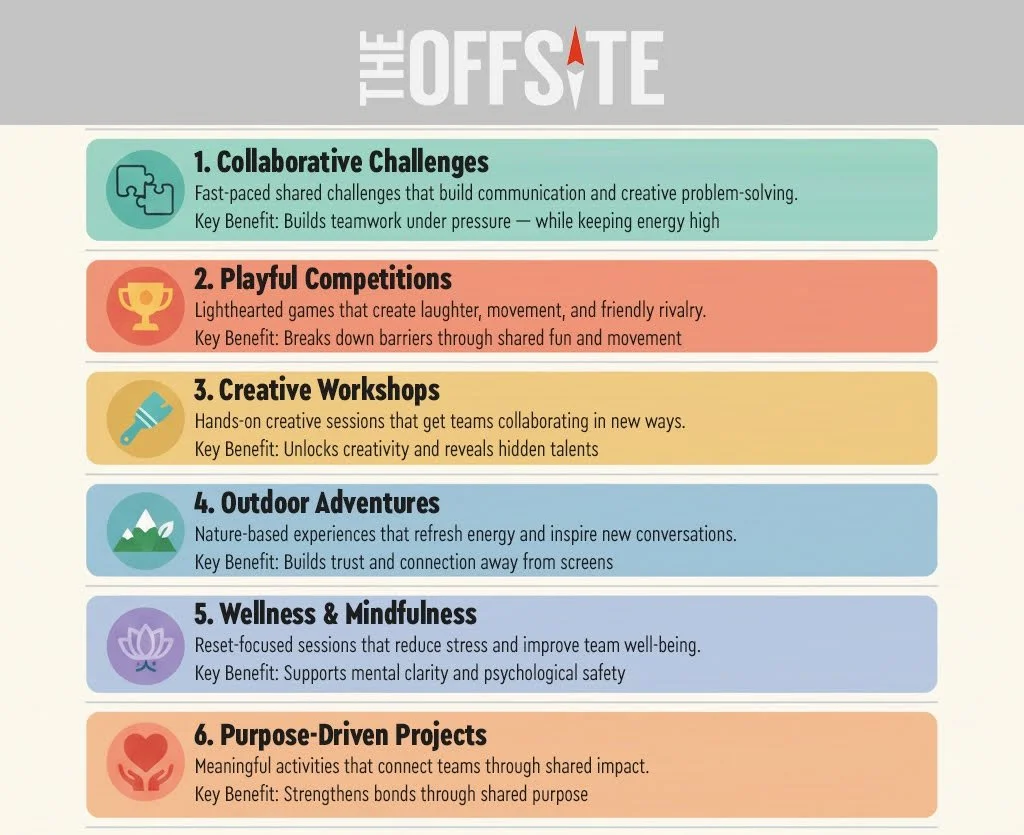
1. Collaborative Challenges: Brainpower Meets Teamwork
The best way to break down walls? Give your team a shared challenge with just enough pressure to make it interesting. These collaborative games push people to think fast, communicate clearly, and lean on each other—all while feeling more like play than work.
Here’s What We’re Talking About:
Escape Room-Inspired Games: Timed puzzles, hidden clues, and a race to “escape.” These setups build communication, quick thinking, and keep everyone on their toes.
Survivor-Style Team Missions: Think mini obstacle courses, scavenger hunts, or creative challenges where teams work together to “win.” Competitive? Absolutely. Fun? Every time.
Mini-Hackathons: Perfect for cross-functional groups—throw out a challenge (even better if it’s company-related) and give teams a few hours to pitch something bold, weird, or brilliant.
These types of activities skip the awkwardness and bring the energy. They push your team to solve problems, stretch their thinking, and most importantly—have a genuinely good time doing it.
2. Playful Competitions: Spark Friendly Rivalries
Nothing sparks instant connection like a little friendly competition. These lighthearted, movement-based games are all about shared laughs, surprising skills, and just enough rivalry to keep things interesting. No one's gunning for gold here—just memorable moments and team bonding that doesn’t feel forced.
Here’s How to Make It Happen:
Office Olympics: From chair races to paper airplane contests, these games are silly by design—but they totally work. Add in some trivia or desk-chair relay races and you’ve got a full-blown tournament.
Field Day Throwback: Think dodgeball, tug-of-war, or kickball. The kind of stuff that brings out the inner kid in even the most serious team members.
Team Scavenger Hunts: Get people exploring—whether it’s the retreat location or clues tied to company culture, this one gets everyone thinking and moving.
Unlike problem-solving challenges, these activities don't require strategy—just willingness to look a little ridiculous and have fun doing it. That's where the bonding happens.
3. Creative Workshops: Make Something Together
Creative workshops are where unexpected magic happens. These hands-on sessions take people out of their usual roles and get them collaborating in totally new ways.
Here Are A Few Ideas to Get Those Creative Sparks Flying:
Collaborative Art Projects: Think team murals, shared canvases, or building a visual map of your goals and values—equal parts expressive and energizing.
Cooking Classes or Cocktail Challenges: Food brings people together. Split into teams and go head-to-head with pasta-making, guac-offs, or mixology throwdowns.
DIY Team Anthem or Jingle: Musically gifted or not, creating a theme song together is as hilarious as it is unforgettable.
These activities bring out the hidden talents you didn’t know your coworkers had and help people collaborate without spreadsheets or slide decks in sight. Creative energy builds connection in a way no meeting ever could.
4. Outdoor Adventures: Nature as Your Team Room
Outdoor adventures shift the energy entirely. Fresh air, movement, and a break from screens create space for different kinds of conversations—the ones that rarely happen in conference rooms but often lead to the best ideas.
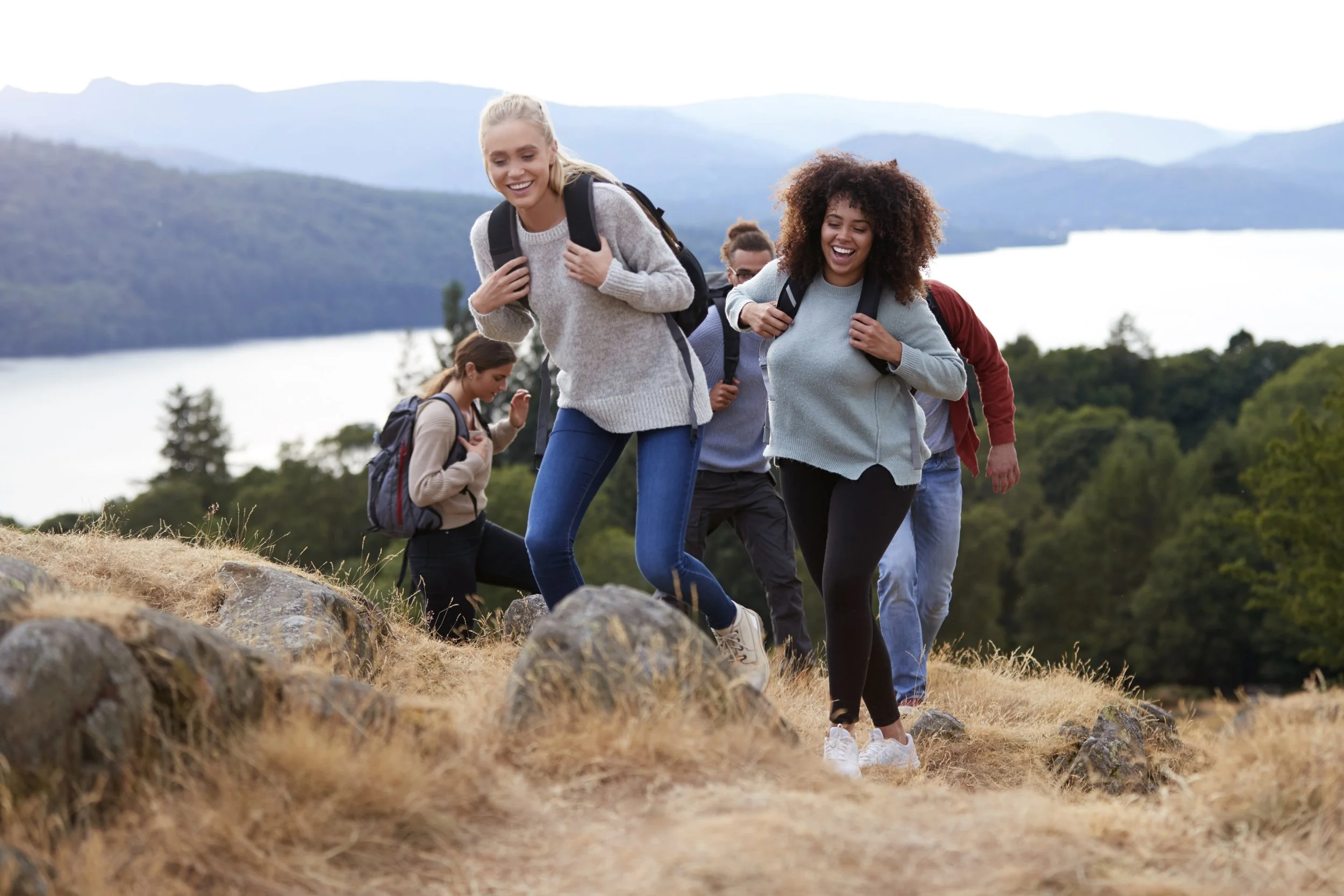
Here Are A Few of Our Favorite Unplugged Experiences:
Hiking + Reflective Journaling: A slow-paced hike with intentional stops for journaling. Think of it as mindfulness with a trail mix break.
Guided Kayaking or Paddleboarding: Great for beginners and adventure-lovers alike. There’s something about paddling together that builds a different kind of team rhythm.
Campfire Conversations: Zero structure, zero pressure. Just an open space for big ideas, honest conversations, and maybe some s’mores.
Outdoor team-building is less about performance and more about presence. These kinds of experiences reduce stress, build trust, and leave everyone feeling a little lighter and a lot more connected.
5. Wellness & Mindfulness: Reset and Recharge
Teams get burned out. Wellness activities aren't just trendy—they're necessary. These experiences give people permission to slow down, breathe, and actually take care of themselves, which builds trust and psychological safety in ways high-energy games can't.
Group Yoga or Stretching Sessions: Low-pressure, accessible for all fitness levels, and surprisingly effective at breaking down walls
Guided Meditation or Breathwork: Even 20 minutes can shift the entire energy of your retreat
Sound Bath Experiences: Gong baths, singing bowls—it might feel unconventional, but the results speak for themselves
These activities create space for people to show up as humans, not just employees. They reduce stress, improve focus, and remind everyone that productivity starts with well-being.
6. Purpose-Driven Projects: Build Something Bigger
Sometimes the best team bonding happens when you're working toward something that matters beyond quarterly targets. Purpose-driven activities give teams a shared mission, build empathy, and create memories that stick long after the retreat ends.

Community Service Projects: Building bikes for kids, packing meals for food banks, beach cleanups—pick something aligned with your company values
Fundraising Challenges: Teams compete to raise money for a cause, combining friendly competition with real impact
Skill-Sharing Workshops for Local Communities: Teach coding, design, or business skills to underserved groups
These experiences shift perspective. They remind teams why their work matters and build connections through shared contribution rather than shared competition.
Let The Offsite Make Your Next Retreat Unforgettable
Finding the right Ohio venue is just the start. At The Offsite, we design custom experiences that match your team's goals, culture, and energy—whether that's cooking together at a vineyard, paddleboarding between strategy sessions, or collaborative challenges that actually build trust instead of just filling time.
We start by understanding what you want your team to leave with, then create a completely custom plan around it. No generic icebreakers, no awkward trust falls—just thoughtfully designed activities that fit your group and your setting.
Here's what working with us looks like:
Custom team-building activities designed around your goals and retreat setting
Full-service coordination from kickoff to final toast—vendor wrangling, last-minute changes, all of it
On-site event producers to make sure everything flows seamlessly
Access to one of the largest vetted venue databases in the industry
All-inclusive budgeting support with transparent, flat-fee pricing
Retreat Roadmap™ collaboration tools to keep your internal team looped in without the chaos
With a 97% client retention rate and hundreds of retreats under our belt, we know how to make offsites that are productive, memorable, and actually fun. Ready to ditch the pressure and build something your team will remember? Let's get started.
Frequently Asked Questions
What are the best fun offsite team building activities for small teams?
Small teams (under 20 people) benefit from activities that encourage deep connection rather than large-group energy. Creative workshops like cooking classes or collaborative art projects work exceptionally well, as does outdoor adventure pacing where everyone participates simultaneously—guided kayaking, hiking with reflection prompts, or campfire conversations. Escape room-style challenges also shine with smaller groups since everyone's input matters and no one gets lost in the crowd.
The key is choosing activities where each person's contribution feels visible and valued, which builds stronger interpersonal bonds than activities designed for larger groups.
How do you choose team building activities that match your company culture?
Start by assessing your team's natural energy and values. Tech startups often gravitate toward competitive challenges and creative problem-solving, while mission-driven organizations might prioritize purpose-driven projects like community service. Consider your team's baseline comfort with physical activity—not every group wants high-ropes courses or intense competitions.
The best approach combines activities across different energy levels: one high-energy challenge, one creative workshop, one reflective experience. This ensures introverts and extroverts both find moments where they feel engaged. At The Offsite, we analyze your company culture and team dynamics to recommend activities that feel authentic rather than forced.
What are good outdoor team building activities for corporate retreats?
Outdoor activities work best when they balance adventure with accessibility. Guided hiking with intentional stops for team discussions combines movement with meaningful conversation. Kayaking or paddleboarding builds rhythm and coordination without requiring advanced skills. For teams seeking challenge, obstacle courses or survival-style missions create memorable shared experiences.
Lower-intensity options like nature photography scavenger hunts, outdoor yoga sessions, or campfire storytelling work well for mixed fitness levels. The goal isn't just getting outside—it's using the natural environment to shift team dynamics and create conversations that wouldn't happen in conference rooms. Always have weather contingencies and ensure activities accommodate varying physical abilities.
How long should team building activities last during a corporate retreat?
Most effective team-building sessions run 60-90 minutes, which provides enough time for genuine engagement without causing fatigue. For multi-day retreats, spread activities throughout the schedule rather than clustering them—one major activity per day works better than cramming three into an afternoon.
Balance structured activities with unstructured downtime. Some of the best team bonding happens during informal moments—morning coffee, evening fire pits, or group meals without formal agendas. If you're planning an intensive activity like a day-long service project or outdoor adventure, build in transition time before and after. Teams need breathing room to process experiences and connect organically.
Can team building activities work for hybrid or remote teams?
Yes, but they require intentional design. Hybrid activities work best when the experience is genuinely collaborative rather than favoring in-person participants. Live-streamed cooking classes where everyone cooks simultaneously, digital escape rooms that require both remote and in-person problem-solving, or collaborative creative projects where remote team members contribute digitally all create shared experiences.
For fully distributed teams meeting in person, prioritize activities that compensate for limited face-to-face time—trust-building exercises, extended meals with structured conversation prompts, or outdoor experiences where people interact naturally. The key is ensuring remote participants feel equally involved rather than like observers.
What team building activities actually improve workplace collaboration?
Activities that mirror real workplace dynamics—requiring communication, delegation, and problem-solving under constraints—transfer best to actual work environments. Mini-hackathons where cross-functional teams tackle business challenges, collaborative art projects requiring negotiation and compromise, and escape room puzzles demanding clear communication all build skills that apply directly to daily work.