
Corporate Retreat Planning Guide: Goals, Agendas, and Locations
Planning a corporate retreat starts with one big question: what do you actually want it to do for your team? A few days out of the office can reset morale, unlock better collaboration, and spark fresh thinking—but only if it’s structured with purpose. Great retreats don’t happen by accident. They’re intentional from the first planning call to the final goodbye.
Whether you're planning your first retreat or leveling up your tenth, the right goals, agenda, and location make the difference. That level of coordination—matching objectives to venues, designing agendas that balance intensity with recovery, managing logistics so nothing falls through—is what The Offsite Co. handles for teams who want retreats that actually deliver. Here's how we approach it.
From Goals to Getaways: The Blueprint for a Thoughtful Corporate Retreat
Start With One Clear Objective
The fastest way to dilute a retreat is trying to accomplish everything at once. "We want strategy alignment AND culture building AND skills training" sounds comprehensive. In practice, it guarantees surface-level execution across all areas with meaningful depth in none.
Pick the one objective that matters most right now. If your leadership team can't agree on Q4 priorities, strategy alignment is your primary goal—team bonding becomes secondary. If trust collapsed after layoffs, rebuilding relationships is primary—strategic planning waits.
Common retreat objectives and what they require:
Strategy alignment: Structured working sessions with pre-work, decision-making frameworks, post-retreat accountability
Culture building: Shared experiences that reveal team values, activities that reinforce desired behaviors
Cross-team collaboration: Breaking silos through mixed breakout groups, joint problem-solving between departments
Post-crisis reset: Processing what happened, rebuilding psychological safety, establishing new norms
Leadership development: Skills workshops, peer coaching, facilitated discussions on management challenges
Each objective demands different agenda structures and facilitation approaches. Trying to blend three objectives into one retreat usually means accomplishing none well. Define success clearly, then build everything else around it.
8 Destinations That Match the Retreat to the Moment
The right location creates the container. What happens inside it—how time is structured, when energy peaks, where connections form—determines whether teams leave with momentum or just exhaustion. The Offsite Co. has designed agendas for every retreat type, from 2-day founder offsites to week-long company gatherings
Here are eight locations built to support that kind of experience.
1. Napa Valley, CA—Strategy + Serenity
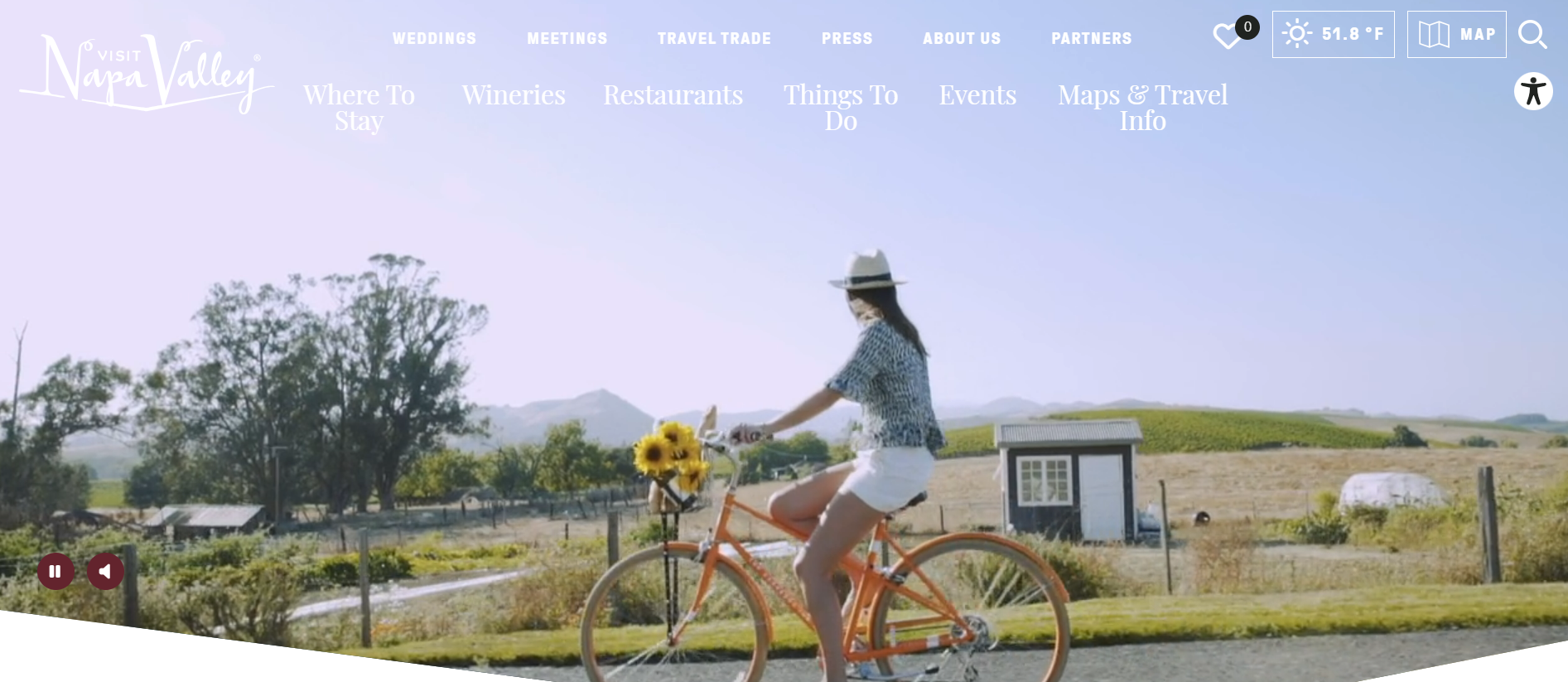
Tucked between vineyards and low rolling hills, Napa Valley offers a quiet, elevated backdrop for teams that need space to think clearly. The region blends luxury with calm—vineyard dinners and open landscapes create the kind of setting where good ideas tend to land. Properties range from boutique hotels to private estates with full buyout options for complete privacy.
Pro tip: Book accommodations in Yountville or St. Helena for walkable access to restaurants and tasting rooms. Calistoga offers more seclusion if full disconnection is the goal.
Group size: 10–40 people
Best for: Leadership groups, strategic planning sessions, executive offsites.
2. Park City, UT—Adventure + Focus
Park City gives teams both altitude and energy. Between mountain trails, ski runs, and boutique lodges, it supports focused work with room to move. The year-round activities and easy airport access (30 minutes from Salt Lake City) make it work well for all-company retreats that mix working sessions with bonding time.
Pro tip: Summer and fall offer hiking and mountain biking without winter's premium pricing. Shoulder seasons (May, October) deliver great weather at 30-40% lower rates.
Group size: 20–100+ people
Best for: All-company retreats, sales kickoffs, team-building focused offsites.
3. Hudson Valley, NY—Rustic Meets Accessible
Just north of New York City, Hudson Valley delivers a mix of nature, design, and creative spirit. Modern inns, wooded trails, and art-forward venues add intention to the experience without requiring cross-country flights. Metro-North train access from Grand Central makes carless travel possible for NYC-based teams.
Pro tip: Fall foliage (late September through October) creates peak aesthetic appeal but also peak pricing and crowds. Early summer offers similar weather with better availability.
Group size: 15–60 people
Best for: Values-driven or creative teams, East Coast companies wanting quick escapes, culture-building retreats.
4. Austin, TX—Vibrant + Easygoing

Austin has range. Teams can stay downtown, head out to Hill Country ranches, or find middle ground. With strong venues, a thriving food scene, and creative buzz, it works well for sales summits and fast-growing teams. Direct flights from most major cities eliminate complicated travel logistics.
Pro tip: Book ranch properties 45-60 minutes outside Austin for true separation while maintaining easy airport access. Downtown works for teams that want nightlife and restaurant access.
Group size: 30–150 people
Best for: Sales summits, fast-growing startups, teams wanting blend of work and entertainment.
5. Boulder, CO—Clarity in the Mountains
In Boulder, clean air and long views set the tone. Teams can hike in the morning, workshop in the afternoon, and still find great meals in town. The progressive, outdoorsy energy fits remote teams reuniting for realignment and reconnection. Altitude (5,430 feet) creates natural separation from sea-level routine.
Pro tip: Give teams a day to acclimate to altitude before intensive sessions—some people experience headaches or fatigue at elevation. Stock meeting rooms with extra water.
Group size: 10–75 people
Best for: Remote teams, tech companies, wellness-focused retreats.
6. Charleston, SC—Coastal Calm with Culture
Charleston offers a calm, refined atmosphere with beach access and rich history in easy reach. From historic houses to waterfront venues, there's no shortage of charm. The slower Southern pace encourages presence without feeling forced, making it a strong match for hybrid orgs or mature teams.
Pro tip: Spring (March-May) and fall (September-November) offer ideal weather. Summer brings heat and humidity that makes outdoor activities uncomfortable.
Group size: 20–100 people
Best for: Hybrid organizations, mature teams, client-facing retreats requiring polish.
7. Sun Valley, ID—A Hidden Gem for Quiet Focus
Sun Valley brings stillness and beauty without the crowds of Aspen or Jackson Hole. Ideal for founder groups and executive teams who want to tune out noise and dive into deeper work. With luxury lodges and pristine views, it supports clarity through genuine isolation.
Pro tip: Sun Valley's remote location (2.5 hours from Boise airport) works as a feature, not a bug—the journey creates psychological separation that begins before arrival.
Group size: 10–30 people
Best for: Founder groups, executive teams, intimate board retreats.
8. Santa Fe, NM—Creativity + Calm

Santa Fe runs on creative energy and quiet confidence. High desert air (7,000 feet elevation), art culture, and wide open spaces create a reflective, imaginative setting. The adobe architecture and artistic community influence how people think and interact, making it perfect for product teams or brand thinkers needing to reset direction.
Pro tip: Santa Fe's high elevation can affect some visitors—same acclimation advice as Boulder applies. The artistic community offers optional gallery visits or artist talks that can enhance retreat programming.
Group size: 15–50 people
Best for: Product teams, brand strategists, creative departments needing inspiration.
How to Structure Retreat Time Without Burning People Out
An offsite agenda should balance intensity with recovery. The biggest mistake is treating retreats like extended workdays—eight hours of back-to-back sessions destroys the productivity gains retreats are supposed to create.
Respect Cognitive Load Limits
Research on sustained attention shows focus quality degrades after 90 minutes of intensive work. Most retreat agendas ignore this completely, stacking three-hour sessions that guarantee mental checkout by hour two.
Morning sessions (9am-12pm): Peak performance window for strategy work, difficult decisions, complex problem-solving
Post-lunch (1-3pm): Energy dips naturally—shift to interactive formats like team challenges or outdoor activities that don't require sustained concentration
Late afternoon (3-5pm): Good for synthesis work, reflection, planning next steps when people process better collaboratively than individually
Evening: Social connection and informal networking—never schedule new complex content after dinner when mental bandwidth is depleted
Build 15-minute breaks between sessions. The break isn't wasted time—it's when people process what they heard, reset attention, and prepare for what's next. Skip breaks to "stay on schedule" and watch engagement crater during your most important afternoon session.
Common Agenda Failures to Avoid
Packing day one: Teams arriving after travel need transition time. Starting with intensive strategy sessions at 2pm guarantees half the room is mentally still in transit.
Skipping unstructured time: Informal conversations during breaks, meals, and evening hangouts often produce more valuable insights than scheduled sessions. Build in 2-3 hours of genuinely free time each day.
Ending with logistics: The final session sets tone for post-retreat execution. Don't waste it on travel reminders. Use it for commitments, action planning, and clear next steps with owners and dates.
No breaks between sessions: Three 90-minute sessions back-to-back kills engagement. Protect the buffer time.
Sending no pre-work: Showing up cold to strategic discussions wastes the first half of your retreat on context-setting that could have happened async.
The goal isn't filling every hour. It's using time well—focused work when energy peaks, connection when people need to decompress, and space to think between sessions.
What It’s Like to Plan a Company Retreat with Us
We plan experiences that bring teams together, drive strategy forward, and keep budgets tight. Here’s how we approach it—and why so many teams return.
Why Teams Choose The Offsite
We plan company retreats from the inside out. It starts with your goals—real ones, shaped around your team’s needs and timing. Then we design the experience to match, with a venue that fits the vision, not just the headcount.
Our venue database is the most curated in the industry. We avoid hotels that feel like conferences and bring you spaces with character, comfort, and the right kind of energy. Every retreat is custom, from the itinerary flow to the team-building format. We work with your budget, your calendar, and your people—not some one-size-fits-nobody package. That’s why almost every client we worked with last year is working with us again.
What We Handle
Every retreat has a thousand moving parts. We manage them all—quietly, efficiently, and with your team’s goals in mind. From big-picture planning to on-the-ground details, we’ve built a process that keeps everything aligned and moving forward.
Site selection and contract negotiation
Lodging, travel, team meals, and local activities
Full itinerary design with strategic flow
Vendor management and on-site coordination
Budget tracking and transparent flat-fee pricing
A dedicated Retreat Producer from start to finish
You stay focused on your team. We take care of the rest.
Let’s Build the Retreat That Actually Works
How you plan a corporate retreat comes down to three elements working together: clear objectives that everyone understands, locations that support the work instead of distracting from it, and agendas that respect how people actually think and connect. When those align, retreats deliver momentum that lasts months beyond the return flight.
97% of teams who work with The Offsite Co. come back the following year. That retention reflects retreats that justify their investment through better alignment, stronger relationships, and strategic clarity that translates to improved execution. We handle venue selection, agenda design, logistics coordination, and on-site management so you can focus on your team. Let's build your retreat.
Frequently Asked Questions
How do you decide where to host a corporate retreat?
Match location to retreat objectives. Strategy-focused retreats need quiet, distraction-free settings like mountain lodges or rural estates. Culture-building works better at destinations with shared activity options—ranches, coastal properties, adventure towns. Consider travel logistics: for 2-day retreats, choose locations within 3 hours of where most attendees live. Longer retreats justify extended travel time.
How far in advance should you plan a corporate retreat?
Book 4-6 months ahead for best venue selection and pricing. Popular destinations like Napa, Park City, and Charleston fill fastest during peak seasons (spring and early fall). Last-minute planning (under 8 weeks) severely limits options and often means 20-30% higher costs. Early booking also allows time for pre-work and proper agenda design.
What's the ideal length for a corporate retreat?
Two to three days works for most teams. One-day offsites work for local groups with focused goals but don't allow meaningful relationship building. Beyond three days, diminishing returns set in—people mentally check out, and the retreat starts feeling like relocated work rather than a strategic reset.
How much does a corporate retreat typically cost per person?
Costs vary widely by location, duration, and included services. Budget for venue rental, lodging, meals, activities, facilitation, and travel. Driveable destinations eliminate airfare but may have higher venue costs. All-inclusive properties simplify budgeting but command premiums. Factor in 10-15% contingency for unexpected expenses.
The Offsite Co. uses flat-fee pricing with detailed budget tracking so teams know the total investment before committing.
What should a corporate retreat agenda include?
Balance focused work sessions with connection time:
Morning blocks (9am-12pm) for strategic work when focus peaks
Post-lunch interactive activities when energy naturally dips
Afternoon synthesis sessions for collaborative processing
Evening social time for informal relationship building
15-minute breaks between all sessions
2-3 hours of genuinely unstructured time each day
Avoid packing day one with intensive content when people arrive after travel. End with clear action items and owners, not logistics reminders.
How do you measure if a corporate retreat was successful?
Track leading indicators in the 30 days post-retreat: meeting efficiency improvements, cross-team collaboration frequency, decision velocity on previously stalled initiatives, and team member sentiment surveys. Measure behavior change, not just satisfaction scores. Ask specific questions: Did strategic priorities become clearer? Are relationships stronger? Did we make decisions that stuck?