
How to Plan a One-Day Company Retreat: Activities and Agendas
A packed calendar doesn't stop you from making space for connection. The right one-day company retreat ideas can shift energy, spark fresh thinking, and leave a lasting impact—all without the need for overnight bags or big travel budgets. Whether you're recharging a team, kicking off a new project, or just stepping back to reconnect, a well-planned single-day retreat can deliver way more than a few hours off Zoom.
Most companies skip retreats entirely because they assume it requires multiple days and major logistics. At The Offsite Co., we've planned hundreds of single-day retreats that maximize impact without the complexity—matching teams to the right venues, structuring agendas that balance focus with breathing room, and handling every detail so the day runs smoothly.
If you're ready to plan something short, sharp, and worth everyone's time,we can help make it happen.
No Overnights Needed: 7 Smart Venues for One-Day Retreats
The right setting does half the work. These one-day company retreat ideas are matched with venues built for focus, energy, and easy logistics—so you can get in, do great work, and get back without missing a beat.
1. Spring Place – New York, NY
Strategic without feeling stuffy, this SoHo space sets the tone the minute you walk in. Multiple meeting rooms, lounges, and private dining areas give teams flexibility to shift between structured sessions and informal conversations without leaving the building.
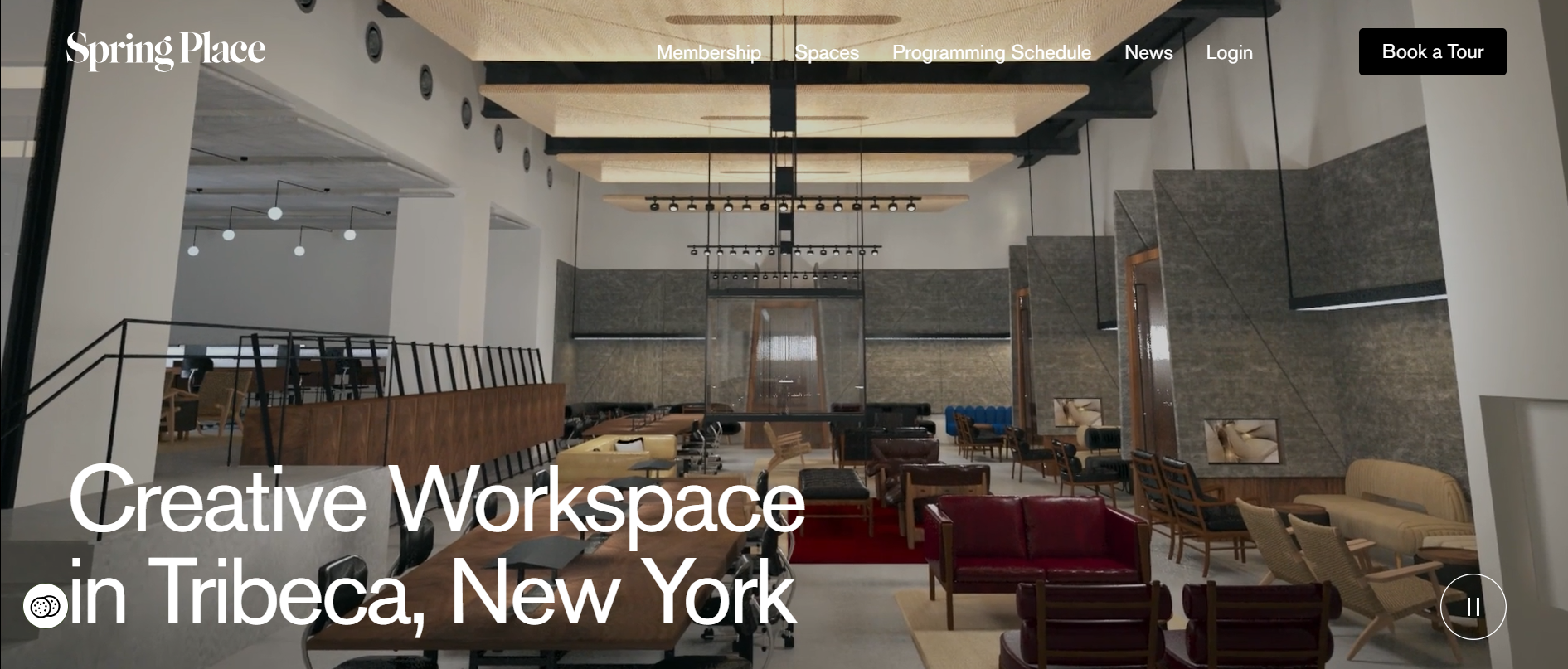
The aesthetic is polished but approachable—natural light, mid-century design, and enough visual interest to keep energy high without distraction. Tech infrastructure is built in, including AV equipment, fast Wi-Fi, and presentation capabilities that work seamlessly for hybrid sessions if needed.
The Offsite insight: This venue works well for executive teams that need a professional setting without the corporate hotel vibe. It's particularly strong for groups that want walkability to restaurants and transportation without sacrificing privacy or focus during sessions.
Best for: Executive syncs, board meetings, planning days.
Capacity: 10–50
2. The Pearl – San Francisco, CA
There's flow here—light, space, and room to reset the rhythm of the day. The Pearl offers multiple event spaces that can be configured for different group sizes and formats, from theater-style presentations to roundtable discussions to open networking.
Floor-to-ceiling windows bring natural light without glare, and the layout encourages movement between sessions. On-site catering handles dietary restrictions smoothly, and the venue's proximity to public transit makes arrival and departure logistics simple for distributed teams.
The Offsite insight: This venue handles larger groups better than most urban spaces while maintaining intimacy through thoughtful design. It's ideal for all-hands meetings or product alignment sessions where you need capacity without sacrificing the feel of connection.
Best for: All-hands, product alignment, leadership rollouts.
Capacity: 20–150
3. CAMP Offices – Austin, TX
This one's for thinkers who move fast and change directions often. CAMP offers coworking-style flexibility with private event spaces, outdoor patios, and breakout areas that support both structured work and spontaneous collaboration.
The vibe is casual but productive—whiteboards everywhere, lounge corners for small group conversations, and open-air spots that let teams step outside without losing momentum. It's designed for teams that work best when they can shift environments throughout the day.
The Offsite insight: This venue excels at supporting brainstorming-heavy retreats where the agenda needs to stay flexible. Teams that thrive on whiteboard sessions, rapid iteration, and informal check-ins find the layout supports their natural rhythm.
Best for: Creative sprints, ideation sessions, quarterly kickoffs.
Capacity: 10–40
4. The Lakewood Retreat Center – Chicago suburbs, IL
Just far enough outside the city to quiet the noise, Lakewood offers pace and privacy that downtown venues can't match. The property includes indoor meeting spaces with natural light, walking trails for breaks between sessions, and dining areas that accommodate group meals without requiring external coordination.
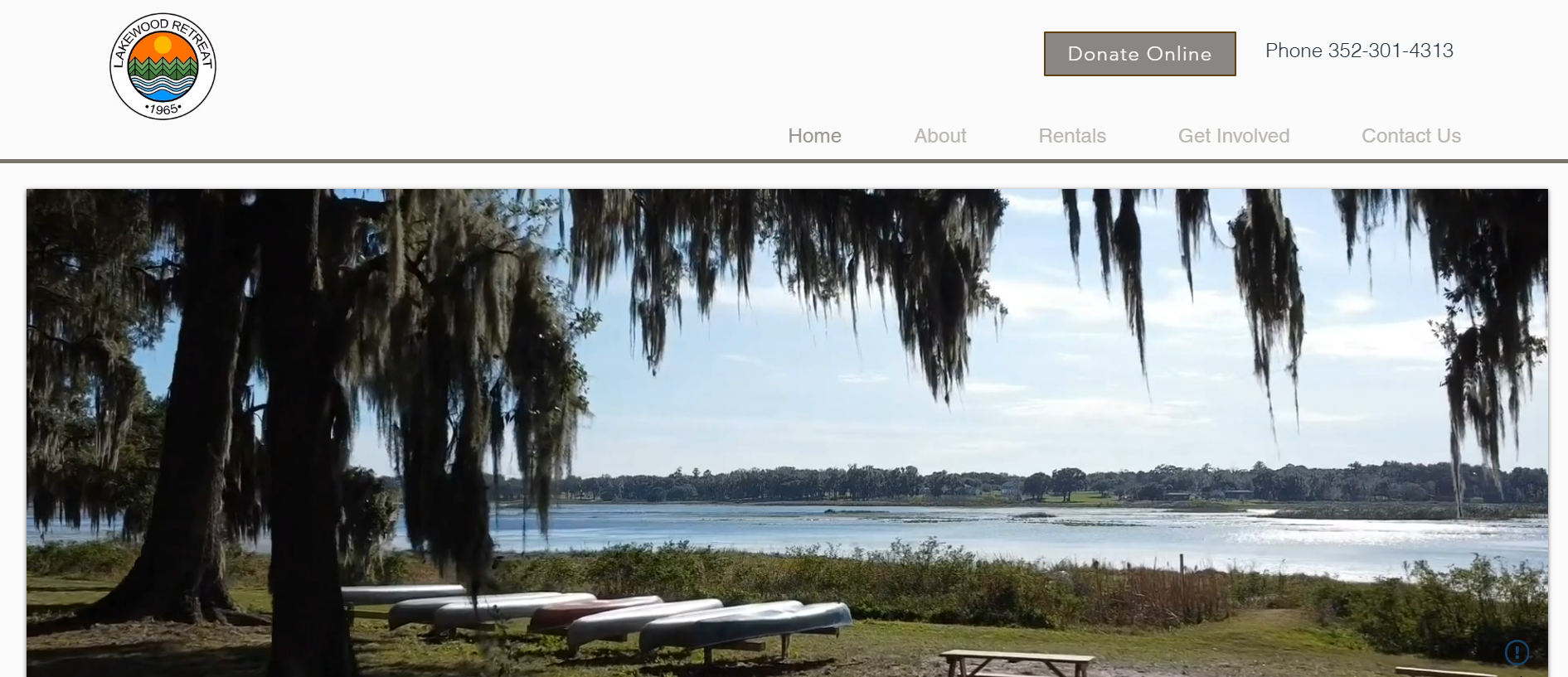
The setting creates psychological distance from daily operations without the complexity of overnight logistics. Teams arrive, work deeply for a full day, and return home feeling like they actually stepped away.
The Offsite insight: This venue works particularly well for small leadership teams that need to tune out distractions and go deep on strategy or difficult conversations. The suburban location eliminates the temptation to slip back to the office while remaining accessible for same-day travel.
Best for: Strategy sprints, recalibration, founder retreats.
Capacity: 10–30
5. Second Home – Los Angeles, CA
Bright, lush, and visually alive, this glass-walled campus fuels creative energy without trying too hard. Thousands of plants create a biophilic environment that reduces stress and improves focus. Meeting spaces range from intimate rooms for 10 to open areas that accommodate 60+.
The design encourages movement—teams naturally gravitate between indoor and outdoor spaces, formal meeting rooms and casual seating areas. On-site cafe handles food and beverage needs throughout the day, eliminating coordination with external caterers.
The Offsite insight: This venue shines for culture, design, or brand teams that benefit from environments that inspire rather than just contain. The visual richness supports creative thinking without overwhelming, and the layout naturally facilitates both focus work and connection.
Best for: Brand visioning, creative workshops, team culture resets.
Capacity: 10–60
6. 1776 Union – Washington, D.C.
Clean lines, crisp tech, and just enough room to stretch out. 1776 delivers professional event infrastructure with multiple meeting rooms, presentation capabilities, and layouts that support everything from board meetings to cross-functional working sessions.
The space is designed for clarity and collaboration—minimal visual distraction, excellent acoustics, and tech that works without requiring troubleshooting. Located near Metro access, it's easily reachable for teams coming from across the DMV area.
The Offsite insight: This venue handles cross-functional groups and board sessions particularly well because the infrastructure supports complex agendas without friction. When schedule discipline matters and the day needs to stay on track, this venue delivers.
Best for: Cross-team planning, board meetings, working sessions.
Capacity: 15–100
7. The Goat Farm – Atlanta, GA
This venue feels different in all the right ways—raw, honest, and quietly energizing. The Goat Farm is a repurposed industrial space with exposed brick, high ceilings, and an atmosphere that encourages teams to think differently.
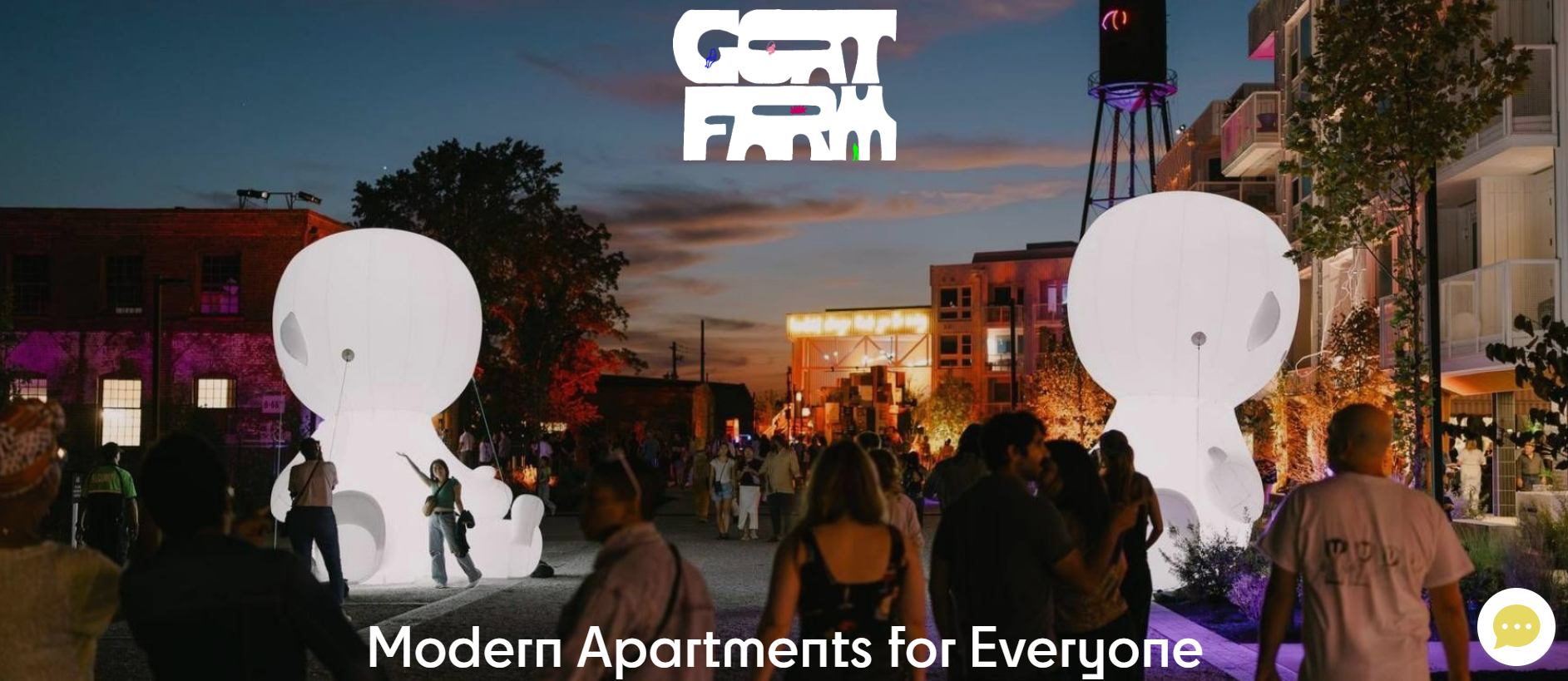
Multiple buildings and outdoor spaces give groups options to shift environments throughout the day. The aesthetic is unpolished in a way that makes people comfortable taking creative risks—it's not precious, so teams feel free to experiment.
The Offsite insight: This venue works best for teams that want to break out of patterns and think in sketches, soundbites, and fresh ideas. The industrial-meets-artistic vibe creates permission to be unconventional, making it ideal for early-stage product thinking or brand development work.
Best for: Creative retreats, brand teams, early-stage product thinking.
Capacity: 15–75
From Arrival to Wrap-Up: A Thoughtful One-Day Retreat Plan
A one-day retreat works best when it’s paced with intention. This sample schedule keeps things focused, human, and purposeful—without packing the day so tight that no one remembers what it was for.
Suggested One-Day Retreat Agenda
A good one-day retreat runs on rhythm. This agenda balances work, conversation, and connection without rushing or dragging. It’s structured enough to get things done, and open enough to let the day breathe—so people leave clear-headed, not clock-watching.
9:00am – Arrival + coffee/light breakfast
9:30am – Welcome + context-setting
10:00am – Working session #1 (strategy, problem-solving, planning)
12:00pm – Catered or local lunch
1:00pm – Interactive activity or team challenge
2:30pm – Break or open reflection
3:00pm – Working session #2 or share-outs
4:15pm – Wrap-up, takeaways, and next steps
5:00pm – Optional happy hour or group dinner
Morning: Peak Focus Window The 90-minute block from 10am-noon handles your heaviest cognitive work—strategy decisions, problem decomposition, or planning that requires sustained attention. This is when working memory performs best and teams can hold complex ideas in conversation without losing the thread. Use this time for decisions that matter, not updates that could've been a Slack post.
Midday: Energy Reset Through Activity The post-lunch activity isn't filler—it's a deliberate energy reset. Whether it's a team challenge, a guided walk, or a hands-on workshop, the shift in format reengages people whose brains hit a wall after eating. Research on attention restoration shows that even 30 minutes of different stimulus helps teams return to afternoon sessions with renewed capacity. Skip this and watch participation quality drop by half.
Afternoon: Synthesis and Social Processing By 3pm, teams work better collaboratively than individually. The afternoon working session should lean on group synthesis: connecting morning insights to action, pressure-testing decisions through structured debate, or building shared understanding through facilitated conversation. This is when buy-in happens—not through perfect slides, but through the social proof of seeing peers engage with ideas in real time.
Evening: The Retention Multiplier The optional happy hour or dinner carries more weight than it seems. The unstructured environment surfaces conversations that don't happen during formal sessions—cross-team relationships form, political tensions ease, and the work from earlier in the day gets reframed through casual conversation that builds genuine connection.
The trick is to keep the flow natural. No back-to-back marathons. No filler sessions that could’ve been an email. Give the group structure, breathing room, and a reason to stay engaged through the final hour.
How We Plan Short Retreats That Still Stick
At the Offsite, a single-day retreat runs lean, but it still carries weight. We bring structure, clarity, and care to every part of it—from planning to execution—so your team gets real value without the usual scramble.
Why Teams Choose The Offsite for Single-Day Events
A one-day retreat carries weight. With a tighter window, every choice carries more impact—agenda, location, pacing, and how the day feels in the room. Clarity matters.
We plan and run single-day retreats with focus and flow. Whether it’s a local loft, a countryside hideout, or something in between, we find the right fit and manage every element. Every moment serves a purpose. The result is a well-shaped day that supports your team from start to finish.
What You Get with The Offsite
We keep things clear, organized, and human—because even short retreats deserve thoughtful planning and smooth execution.
Here’s what we handle for you:
Venue scouting and booking (public or private spaces)
Flat-fee pricing, no vendor commissions
Custom agendas, facilitation planning, team-building activities
Meals, AV, supplies, and transportation coordination
A dedicated Retreat Producer on site to make it run like clockwork
We don’t hand you a checklist—we show up and make the day flow. Our job is to make space for your team to do its best work without worrying about what's next on the schedule.
The Offsite Approach to Smart, Sharp Retreats
The best one-day company retreat ideas begin with clarity and end with momentum. A single day can bring alignment, creativity, and renewed energy—if it's shaped with purpose. With the right structure, space, and flow, it's enough time to get real work done and still walk away connected.
At The Offsite Co., we've built our approach around what actually works. Our 97% year-over-year client retention rate reflects teams who come back because single-day retreats delivered real outcomes—not just a break from the office. We line up venues, build smart agendas, manage the logistics, and run the day so your team can stay focused on what matters.
If you're ready to make one day feel like time well spent, let's get your retreat on the calendar.
Frequently Asked Questions
What's the ideal team size for a one-day retreat?
Between 10–50 people works best. Smaller groups (10–20) allow deeper conversations without breakouts. Mid-size teams (20–50) benefit from rotating discussion formats that prevent the same cliques from dominating. Beyond 50, you'll need multiple facilitators and breakout spaces, which complicates logistics significantly for a single day.
How much does a one-day company retreat typically cost per person?
Costs vary based on venue, location, and included services. Urban event spaces with catering typically run differently than countryside properties with full-day packages. Budget for venue rental, meals, activities, facilitation, and transportation. The Offsite Co. uses flat-fee pricing that covers all retreat elements, eliminating surprise costs and vendor markups.
How far in advance should you plan a one-day retreat?
Book 6–8 weeks out minimum for quality venue options and reasonable catering lead times. Last-minute bookings (2–3 weeks) limit your choices significantly and often mean higher costs. For retreats during peak seasons (spring, early fall) or in competitive markets like SF or NYC, secure venues 3+ months ahead.
What's the biggest mistake teams make with one-day retreats?
Overpacking the agenda. Teams try to fit two days of content into eight hours, which guarantees surface-level conversations and mental exhaustion. Pick one primary goal—strategy alignment, team building, or problem-solving—and build the entire day around achieving it well rather than touching everything poorly.
Do one-day retreats work for fully remote teams?
They're particularly valuable for remote teams who rarely share physical space. A focused day together builds trust and resets dynamics faster than months of video calls. The key is choosing a geographically convenient location that minimizes travel burden—look for venues near major airports or central to where your team members live.
Can you run an effective one-day retreat virtually?
Virtual one-day retreats can work but require different design principles. Break sessions into 60–90 minute blocks maximum with real breaks between them. Incorporate asynchronous pre-work so live time focuses on discussion, not information delivery. Use collaborative tools like Miro or Figma for visual thinking. The challenge is preventing Zoom fatigue while maintaining engagement—if your team is already burned out on video calls, in-person delivers better outcomes.