
Best Retreats for Healthcare Professionals: Wellness-Focused Team Building
Burnout can catch up to you fast. For teams constantly giving their all, retreats for healthcare professionals offer something powerful in return: space to reset, reconnect, and feel human again. A well-designed retreat creates a lasting impact on morale, retention, and team connection.
From nature-soaked escapes to wellness-forward agendas, there are ways to structure these getaways that support the whole person, not just the role they play at work. Think restorative schedules, meaningful activities, and spaces that spark conversation and care.
If you're thinking about this for your team, The Offsite Co. specializes in designing wellness-focused retreats for healthcare professionals. We understand the unique pressures care teams face and know which venues, activities, and structures actually support restoration.Schedule your free consultation and let's build a retreat that helps your team reset.
What Healthcare Teams Really Need From a Retreat
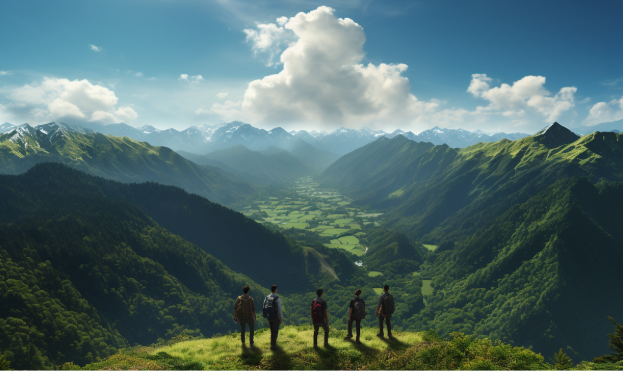
Healthcare professionals need a true reset. A great retreat starts with a location that allows space to decompress. Think mountain lodges, lakeside cabins, or boutique wellness resorts—anywhere that feels far from fluorescent lights and charting screens.
The best retreats offer real tools for restoration, including:
Gentle yoga or movement classes
Guided mindfulness or meditation sessions
Spa or massage access
Nutrition-forward meals or cooking demos
Quiet time for journaling or rest
These aren’t extras—they’re what make the retreat restorative at its core.

Light Structure, Deep Impact
A strong retreat doesn’t mean packing every minute. It means being thoughtful about the time you create. Purposeful programming gives the day shape while leaving space to just be. Think reflection circles, personal growth sessions, or light peer-led talks—experiences that energize without overwhelming.
Let Them Unplug
Heavy agendas and high-pressure workshops don’t belong here. A great retreat gives people space to breathe—physically and emotionally. It’s all about creating psychological safety, letting people take what they need from the experience, and keeping pressure off. A little intention goes a long way in helping teams feel seen, supported, and valued.
5 Wellness-Focused Venues Built for Healthcare Teams
Healthcare professionals need venues that prioritize restoration over productivity, quiet over stimulation, and genuine wellness infrastructure over generic resort amenities. These five properties understand what care teams actually need to decompress.
1. Miraval Arizona Resort & Spa – Tucson, AZ
Miraval's phone-free policy creates intentional disconnection healthcare teams desperately need. The property offers 100+ included daily activities—equine therapy, aerial yoga, desert meditation, creative workshops, spa services—all operating on a "life in balance" philosophy. Meeting spaces accommodate groups for optional sessions, but the property excels at letting people engage at their own pace.
What makes it work:
Programming depth goes beyond surface wellness into genuine self-reflection
Inclusive pricing model means no nickel-and-diming for activities
Phone-free environment removes the temptation to check work messages
Staff trained specifically in trauma-informed wellness approaches
Capacity: 30-60 for healthcare buyouts | Distance: 35 mins from Tucson
The Offsite Co. insight: We've placed physician leadership groups and nursing cohorts here post-crisis. Miraval works best when you give teams full autonomy over their schedule rather than forcing group participation.
2. CIVANA Wellness Resort & Spa – Carefree, AZ
CIVANA centers entirely on wellness—movement classes, guided meditation, plant-forward nutrition, aqua therapy circuits (cold plunge, hot soaks, sauna), and hiking access to Tonto National Forest. The environment communicates "your recovery matters" immediately. Meeting spaces exist but don't dominate; focus stays on restoration.
Why healthcare teams choose it:
Farm-to-table dining designed by nutritionists, not just chefs
Aqua therapy circuit accessible between any activities
Desert hiking trails start directly from property
Particularly strong for healthcare orgs in wellness/integrative medicine space
Capacity: 20-80 guests | Distance: 45 mins from Phoenix
The Offsite Co. insight: CIVANA works especially well when your organization's values center on holistic care. The venue reinforces what you're already trying to practice internally.
3. Omega Institute – Rhinebeck, NY
Omega operates as a nonprofit retreat center on 250 acres in the Hudson Valley. The focus is personal growth, contemplative practice, and skill-building around resilience and burnout recovery. Visiting teachers specialize in healthcare-specific challenges like compassion fatigue and moral injury. Accommodations are simple, dining is vegetarian and locally sourced.
What sets it apart:
Mission-driven, not profit-driven—programs designed for transformation
Visiting faculty with healthcare burnout expertise
Lakeside trails and creative arts workshops for non-verbal processing
Significantly lower cost than luxury wellness resorts
Capacity: 30-100+ depending on program | Distance: 90 mins from NYC airports
The Offsite Co. insight: Omega attracts mission-driven healthcare organizations comfortable prioritizing substance over polish. If your team values learning over luxury, this is your spot.

4. Mii amo Spa – Sedona, AZ
Mii amo operates as a destination spa exclusively focused on customized wellness journeys. Set inside Boynton Canyon with red rock views, the property offers indigenous-inspired treatments, movement classes, guided meditation, and nutrition consultations. Groups of 15-30 can book private retreats with fully tailored programming.
Why it works for small teams:
Completely customizable programming built around specific team needs
Red rock canyon setting creates natural reflection space
Staff-to-guest ratio allows genuine individual attention
Best-in-class spa treatments using local desert botanicals
Capacity: 15-30 for private bookings | Distance: 2 hours from Phoenix
The Offsite Co. insight: We've booked palliative care teams, oncology units, and mental health providers here. The smaller capacity and customization depth work perfectly for specialized care units needing intensive restoration.
5. Kripalu Center for Yoga & Health – Stockbridge, MA
Kripalu sits on 300 acres in the Berkshire Mountains as a nonprofit educational center. Daily yoga, meditation, hiking, whirlpool access, and programs specifically addressing compassion fatigue and sustainable caregiving. Meals are buffet-style vegetarian. The approach is educational and skills-based rather than purely relaxational.
What healthcare teams gain:
Skills training in resilience, not just temporary rest
Programs addressing moral injury and compassion fatigue directly
Non-commercial environment focused on learning
Handles groups of 20-80 with customizable programming
Capacity: 20-80 guests | Distance: 2.5 hours from Boston
The Offsite Co. insight: Nursing cohorts and social work teams consistently report Kripalu gives them practical tools they use long after the retreat ends. Choose this when you want skill-building, not just spa time.
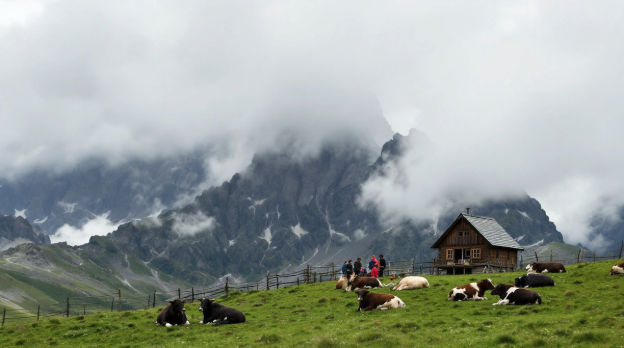
Each of these retreats offers something different, but they all aim for the same thing: helping your healthcare team feel like themselves again. When your goal is to care for the caregivers, wellness can’t be an afterthought—it has to lead the way.
What to Avoid When Planning Healthcare Retreats
Healthcare retreats fail when planners treat them like standard corporate offsites. The needs are different, and mistakes that seem minor elsewhere completely undermine the experience for care teams.
Don't Overschedule in the Name of "Value"
Healthcare professionals live in rigid structure daily—they don't need more of it. Back-to-back sessions, mandatory activities, and packed timelines recreate workplace stress instead of relieving it.
What works instead: Build genuine unstructured time—morning coffee without agendas, free afternoons for naps or solo hikes, evenings with zero obligations. The white space is where restoration happens.
Don't Force Participation in Vulnerable Activities
Mandatory sharing circles or emotional disclosure creates resentment, not connection. Healthcare workers perform professionally even when uncomfortable—you won't know you've lost them until surveys come back cold.
Better approach: Make vulnerable activities opt-in with alternatives. Some dive into storytelling circles; others need solo nature walks. Both are valid.
Don't Let Work Conversations Dominate
If leadership uses meals to discuss staffing shortages or policy changes, the retreat becomes an off-site meeting with better views. Psychological safety evaporates instantly.
Set boundaries: Designate specific times (if any) for work discussions. Protect everything else as recovery time.
Don't Ignore Dietary Needs and Irregular Schedules
Healthcare workers operate on night shifts and 12-hour days. Rigid meal times (7-8 AM breakfast only) or limited dietary options signal you don't understand their reality.
Simple fix: Offer flexible meal access, stock grab-and-go options, accommodate restrictions without making people feel like burdens.
Don't Choose Venues Requiring Constant Coordination
Venues needing shuttles, off-site vendors, or complicated logistics add decision-making that defeats the purpose. Healthcare teams make life-and-death decisions constantly—retreat logistics should be effortless.
Choose wisely: Self-contained properties with trails, spas, dining, and meeting spaces within walking distance remove friction entirely.
Don't Skip Post-Retreat Integration
Without follow-up—leadership check-ins, continued wellness programming, structural changes—the retreat becomes a temporary Band-Aid that fades in 72 hours.
Plan ahead: Before the retreat starts, decide how you'll maintain momentum and what leadership commitments address root burnout causes. The retreat should catalyze change, not substitute for it.
The Offsite Way: Wellness Retreats That Actually Work
Over 300 teams have trusted The Offsite to plan their corporate retreats—from global tech offsites to regional team resets. We bring full-service coordination, inspired locations, and thoughtful details to every type of experience. And the result? Almost every company that hired us in 2024 is trusting us again in 2025.
For healthcare professionals, the stakes are different. The burnout is real. The time away is precious. And the retreat should reflect that. We help care teams create space for true rest and reconnection—without the planning headache. Whether your team is decompressing after a tough quarter or celebrating extraordinary work, we design retreats that let you breathe, bond, and come back grounded.
What We Offer
Wellness-forward retreat locations
We source serene and restorative settings—think mountain lodges, coastal escapes, desert wellness spas, and lakeside inns. These are handpicked for peace, quiet, and natural beauty to help your team truly disconnect.Itinerary design rooted in rest and recovery
We co-create experiences that support real mental and physical recovery. From morning movement to low-pressure reflection circles and optional mindfulness sessions, we make it easy to build a flow that restores.Travel logistics, vendor coordination, and budget management
No juggling spreadsheets, vendors, or flight plans. We handle the bookings, schedules, and budgets so you don’t have to. Everything is organized, easy to track, and tailored to your team’s needs.Optional on-site support
If you want someone on the ground, we’ll be there. Our on-site coordinators keep everything running smoothly, so your leadership team can participate fully without managing the behind-the-scenes details.Personalized touches and custom activities
Whether it’s welcome kits with wellness gear, a custom group hike with reflection prompts, or catered meals built around your team’s dietary needs, we bring the human touches that make the retreat meaningful and memorable.
When you're ready to give your team the kind of thoughtful care they give others, The Offsite is here to help make it happen.
Wellness That Works—With The Offsite
Every team needs time to reset—but retreats for healthcare professionals serve a deeper purpose. They offer room to breathe, reflect, and reconnect with the mission that brought them here in the first place. When the location is peaceful, the agenda is thoughtful, and the details are handled, teams leave feeling restored and valued.
At The Offsite, we help create those experiences with intention, heart, and an eye for what really matters. Our team makes it simple to plan something extraordinary—with all the care and none of the stress. Ready to give your team the restorative retreat they’ve earned? Let’s make it happen.
Frequently Asked Questions
How long should a healthcare retreat last?
Three to four days hits the sweet spot. Day one handles travel and decompression, days two and three provide core restoration programming, and day four wraps with closure before departure. Shorter feels rushed and doesn't allow genuine disconnection from work stress. Longer risks attendance issues as healthcare professionals struggle to get extended time away from patient care responsibilities.
Should we include spouses or family members on healthcare retreats?
It depends on your goal. Solo retreats create space for professional bonding and personal restoration without family dynamics. Including partners works well for incentive trips or milestone celebrations where you want to reward the whole household that supports a healthcare career. Never make plus-ones mandatory—give people choices based on what they need.
How do we address burnout without making the retreat feel like therapy?
Focus on skill-building and restoration rather than diagnosis and processing. Offer yoga, meditation, resilience workshops, and nature time—activities that support recovery without requiring people to label their experience as burnout. Avoid clinical language. Create optional spaces for deeper conversation without forcing participation.
What's the right group size for healthcare team retreats?
Small groups (15-30) work best for intimate cohorts like physician leadership, specialized care units, or departments needing deep trust-building. Mid-size groups (30-60) suit nursing cohorts or cross-functional hospital teams. Large groups (60+) can work for system-wide events but require careful breakout planning so people don't feel lost in the crowd.
How do we handle different shift schedules when planning retreat dates?
Survey your team early about constraints. Avoid major holiday weekends when healthcare facilities are short-staffed. Consider rotating schedules so different team members can attend separate retreat sessions rather than forcing everyone into one date. For 24/7 units, accept that 100% attendance may be impossible and plan accordingly.
Can healthcare retreats actually reduce turnover?
Yes, when they're part of a broader retention strategy. Retreats signal investment in staff wellbeing, create bonding that increases team cohesion, and provide tools for managing ongoing stress. But a retreat can't fix systemic issues like chronic understaffing, poor leadership, or toxic culture. It works best as part of comprehensive support, not a standalone solution.
What should we budget per person for a healthcare wellness retreat?
Expect to budget moderate to premium per person for 3-4 days including lodging, meals, programming, and activities. Wellness-focused properties like Miraval or CIVANA run higher but include extensive amenities. Nonprofit centers like Omega and Kripalu offer significantly lower rates. Off-season dates and regional venues help stretch budgets without sacrificing quality.