
Nonprofit staff operate differently than corporate teams. The work runs on mission alignment, emotional investment, and stretched resources that demand creativity over budget. Staff retreat ideas for nonprofits need to reflect those realities—creating space for genuine connection, burnout prevention, and renewed purpose without requiring the kind of spending that makes board members uncomfortable.
The best nonprofit retreats balance reflection with energy, recognizing that staff carry heavy emotional loads while often working with limited support. Done right, retreats become reset moments that strengthen bonds, clarify priorities, and remind everyone why the mission matters. The Offsite Co. understands nonprofit constraints and has designed retreats that deliver real impact without breaking budgets. Book your free consultation and we'll show you what's possible when planning meets purpose.
Why Nonprofit Retreats Matter More Than You Think
Nonprofit work drains people in ways corporate jobs often don't. Staff invest emotionally in outcomes they can't always control, work with populations experiencing trauma or hardship, and stretch limited resources to meet unlimited need. That combination creates a burnout risk that standard "team building" doesn't address.

Retreats create breathing room. Stepping away from direct service or fundraising pressure gives staff permission to pause, reflect, and reconnect with why they chose this work. That space matters—it's where perspective returns and energy gets restored.
Mission alignment needs regular reinforcement. Nonprofits attract people who care deeply about the cause, but daily operational demands can disconnect staff from the bigger picture. Retreats pull everyone back to shared purpose, ensuring the mission stays central rather than getting buried under grant deadlines and budget constraints.
Small teams need strong relationships. Most nonprofits operate with lean staffing where every person's contribution matters significantly. When relationships fray or communication breaks down, the entire organization feels it. Retreats strengthen those bonds in ways that daily work rarely allows.
Burnout prevention saves more than money. Replacing nonprofit staff costs time, institutional knowledge, and donor relationships that took years to build. Investing in retreats that help staff process stress, build resilience, and reconnect with purpose delivers ROI that extends far beyond the retreat itself.
8 Staff Retreat Ideas That Work for Nonprofit Budgets and Cultures
1. Coastal Retreat for Burnout Prevention
Nonprofit staff carrying secondary trauma and compassion fatigue need environments that actively restore rather than just provide meeting space. Coastal settings—the sound of waves, salt air, and open horizons—create psychological distance from the intensity of mission work, while walking beaches together creates informal space where vulnerability emerges naturally. Staff process stress collectively rather than in isolation, building mutual support that continues after the retreat ends.
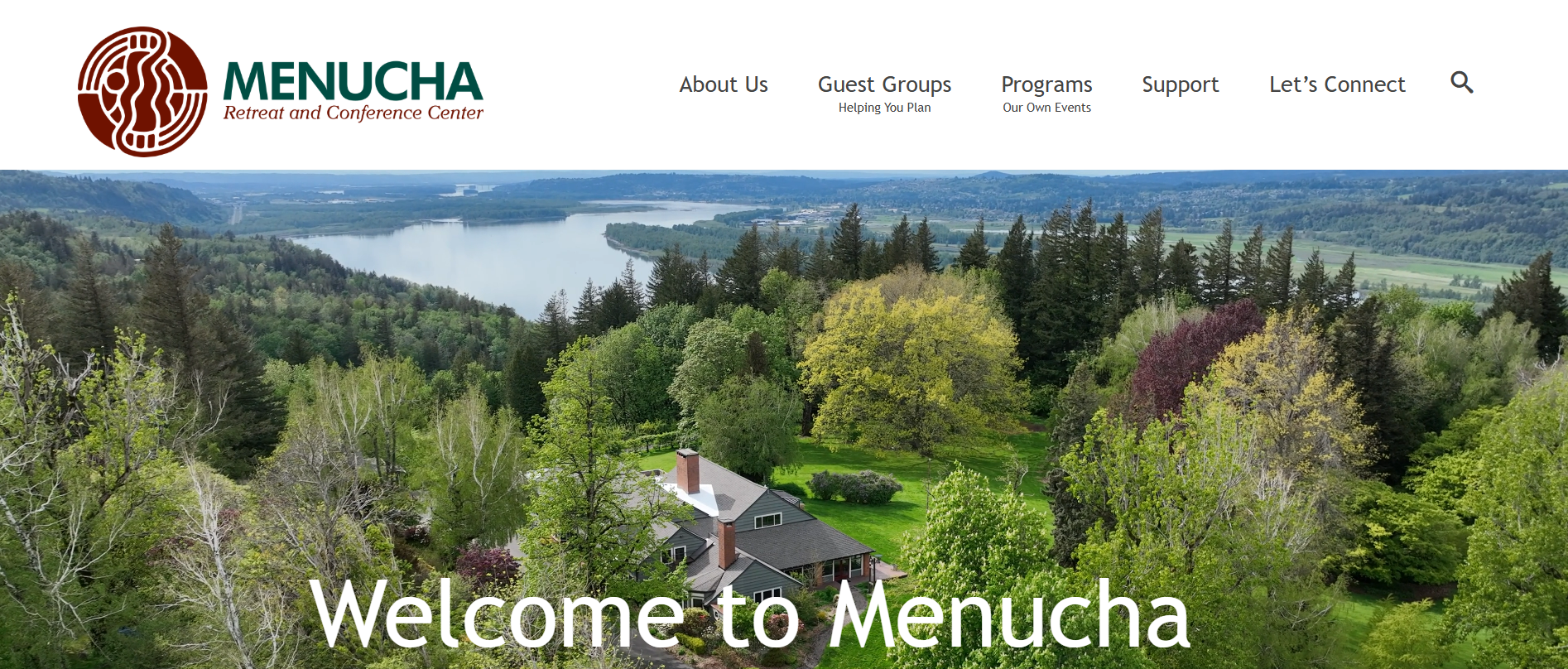
Where to go: Oregon coast retreat centers like Alton Collins in Eagle Creek orMenucha in Corbett offer oceanfront or riverside settings at nonprofit rates. Washington'sWhidbey Institute provides island isolation with beach access. California's Point Bonita YMCA near San Francisco delivers a coastal setting within reach of Bay Area nonprofits.
The Offsite Co. works with coastal properties nationwide to secure nonprofit rates and design programming that balances restoration with the strategic outcomes your board expects.
2. Mountain Lodge Strategic Planning Retreat
Strategic planning requires focus that's hard to maintain in familiar office settings. Mountain properties create natural boundaries—staff can't easily check email or slip back to desks—while elevation and forest views shift perspective in ways that inform long-term thinking. Shared meals in lodge dining rooms, evening gatherings around fireplaces, and morning coffee on mountain decks build informal connection time that structured sessions alone don't provide, helping staff see each other as whole people rather than just role holders.
Where to go: Colorado'sYMCA of the Rockies in Estes Park offers a mountain setting with full conference facilities at group rates. North Carolina'sWildacres Retreat near Asheville provides Blue Ridge mountain access. California'sMount Hermon Conference Center delivers a redwood forest setting with comprehensive meeting infrastructure.
At The Offsite, we handle the logistics of mountain retreat planning—from securing group rates to coordinating transportation—so your small team doesn't carry that burden.
3. Historic Site Mission Reflection Retreat
Historic venues—converted monasteries, preserved estates, century-old conference centers—offer architectural character and grounds that encourage contemplation. These spaces naturally slow people down, creating the reflective atmosphere nonprofits need when reconnecting staff to foundational mission and values. Walking labyrinth paths, sitting in libraries with original woodwork, or gathering in stone courtyards reinforces the sense that your organization's work connects to something larger and more enduring than quarterly deadlines.
Where to go: Pennsylvania'sPendle Hill Quaker retreat center near Philadelphia provides historic buildings and contemplative gardens. New York'sMohonk Mountain House offers Victorian-era elegance with hiking trails and lake access. California'sVallombrosa Center in Menlo Park delivers mission-era architecture in a redwood forest setting.
The Offsite works with historic properties that understand nonprofit budgets and can provide the contemplative programming your mission-driven team needs.
4. Farm and Rural Retreat for Grounding and Renewal
Farm-based retreat centers ground teams in rhythms that feel fundamentally different from the nonprofit pace—seasonal cycles, physical labor, connection to land and food systems. Staff gathering eggs, walking pastures, or eating meals made from on-site gardens experience restoration through tangible, embodied activity that contrasts with the abstract nature of much mission work.
Where to go: Vermont'sWellspring House offers farm-to-table meals and land-based programming. North Carolina'sArt of Living Retreat Center provides a rural mountain setting with an organic farm. Wisconsin'sSinsinawa Mound delivers prairie views and farm landscapes ideal for contemplative retreats.
At The Offsite, we design farm retreat programming that weaves land-based activities with the strategic and relational work your organization needs to accomplish.
5. Desert Retreat for Clarity and Focus
Desert environments—expansive vistas, stark beauty, profound quiet—create conditions for the kind of focused thinking that strategic planning and difficult decisions require. The landscape's simplicity eliminates visual noise, while isolation from urban distractions helps teams cut through organizational complexity to identify what actually matters.

Where to go: Arizona's Desert House of Prayer in Tucson offers desert mountain views and contemplative programming. New Mexico'sGhost Ranch provides dramatic red rock landscapes that inspired Georgia O'Keeffe. California's Joshua Tree Retreat Center delivers a high desert setting within reach of Southern California nonprofits.
The Offsite Co. handles desert retreat logistics—from water and temperature considerations to activity planning—so your team experiences the clarity without the complications.
6. Lakeside Retreat for Team Restoration
Lake settings offer water access without ocean intensity, creating environments that feel both calming and energizing. Morning canoe sessions, lakeside reflection time, and evening gatherings around fire pits build team cohesion through shared outdoor experiences that don't require high fitness levels or specialized skills.
Where to go: Minnesota'sClearwater Forest provides a North Woods lake setting with rustic lodge facilities. New York'sSilver Bay YMCA on Lake George offers comprehensive conference amenities with mountain lake access.
We work with lakeside properties that balance the outdoor access nonprofits value with the meeting infrastructure your strategic sessions require.
7. Urban Retreat for Accessibility and Cultural Connection
Not every nonprofit can take staff to remote locations—budget constraints, childcare responsibilities, or limited time away from direct service make urban retreats the practical choice. City-based retreat centers and hotels provide the psychological separation from office routines while keeping teams accessible and costs manageable.
Where to go: San Francisco's Mercy Center provides Bay Area access with a retreat atmosphere. Philadelphia'sCranaleith Spiritual Center delivers green space and contemplative programming minutes from downtown.
The Offsite helps nonprofits maximize urban retreat value by designing programming that creates a genuine retreat atmosphere even when teams can't travel far.
8. Wilderness Retreat for Challenge and Growth
Some teams need physical challenges to break through organizational stuckness or rebuild trust after conflict. Wilderness settings—backcountry hiking, ropes courses, river expeditions—push staff outside comfort zones in ways that reveal character, build mutual reliance, and create shared accomplishment that translates to workplace resilience.

Where to go: Colorado'sOutward Bound programs offer multi-day wilderness experiences designed for team development. North Carolina'sWildwater provides river-based team challenges in Nantahala Gorge. Washington'sThe Mountaineers facilitate alpine retreats in the Cascade Range.
At The Offsite, we assess whether wilderness programming matches your team's actual needs and physical capabilities—not every nonprofit benefits from high-challenge formats, and we design accordingly.
Budget-Friendly Strategies for Nonprofit Retreats
Nonprofits face unique budget constraints, but retreats don't have to break the bank. Here are strategies that make retreats financially feasible while maintaining quality and impact.
Leverage Donated or Low-Cost Spaces
Churches, community centers, park pavilions, university facilities, and retreat centers often provide free or heavily discounted space for nonprofits. Board members, donors, or community partners may offer vacation homes or private properties for retreat use.
Local parks with reservation areas cost minimal amounts while providing natural settings that enhance retreat experiences. The venue matters less than the programming—we've seen transformative retreats happen in borrowed church basements and spectacular retreats flop at expensive resorts.
Time Retreats Strategically
Half-day or full-day retreats deliver significant value without overnight costs. Weekend retreats (Friday evening through Saturday afternoon) minimize time away from work while creating adequate space for depth. Our work helping nonprofits withretreat planning around goals, vision, and budget consistently shows that shorter, well-designed retreats outperform longer, poorly planned ones.
DIY What You Can, Hire What Matters
Save money on logistics you can handle internally—food (potluck or simple catering), basic supplies, transportation coordination. Invest in skilled facilitators for the sessions that matter most—strategic planning, conflict resolution, burnout prevention. Facilitation quality determines retreat impact far more than venue quality.
Seek Sponsorships or In-Kind Donations
Local businesses often sponsor nonprofit retreats as part of community engagement. Restaurants donate meals, outdoor retailers loan equipment, transportation companies provide shuttles. Major donors sometimes fund retreats specifically, seeing them as investments in organizational sustainability.
Make It an Organizational Priority
When budgets get tight, retreats often get cut first. Reframe them as essential infrastructure maintenance rather than nice-to-have extras. Just as you budget for technology, insurance, and professional development, budget for team cohesion and burnout prevention. The cost of not investing in staff well-being—turnover, reduced effectiveness, mission drift—far exceeds retreat investment.
How The Offsite Serves Mission-Driven Organizations
Nonprofits operate with constraints that corporate clients don't face, and we design accordingly. Our approach recognizes that your budget limitations are real, your mission is central, and your staff needs are distinct.
Budget-Conscious Planning
We work within nonprofit budgets by identifying cost-effective venues, leveraging donated spaces when available, designing programming that maximizes impact without expensive add-ons, and providing transparent pricing so you know exactly what you're investing in.
Our flat-fee model means no surprise costs appearing after the retreat. You get clear budget breakdowns upfront that help you justify spending to boards or funders.
Mission-Aligned Design
Nonprofit retreats require different approaches than corporate offsites. We design programming that honors your mission, incorporates values explicitly into activities, recognizes the emotional labor your staff carries, builds in reflection space alongside action planning, and creates formats where hierarchy softens without disappearing.

Facilitators Who Understand Nonprofit Culture
We work with facilitators experienced in nonprofit settings who understand consensus-driven decision-making, navigate mission-driven passion that sometimes creates conflict, recognize signs of burnout and secondary trauma, and respect the particular dynamics of mission-driven teams.
Flexible Formats Matching Your Needs
Some nonprofits need strategic planning retreats mapping next year's programs. Others need staff restoration focused on preventing burnout. Still others need conflict resolution or team rebuilding after difficult transitions. We customize formats matching what your organization actually needs rather than forcing you into one-size-fits-all templates.
Why Nonprofits Choose Us
Our 97% client retention rate includes numerous mission-driven organizations that return because we make retreat planning manageable for small teams, deliver experiences that strengthen rather than drain staff, respect budget constraints without compromising quality, and understand that nonprofit culture requires different approaches than corporate environments.
Build Retreats That Restore and Strengthen Your Team
Staff retreat ideas for nonprofits work best when they honor the unique nature of mission-driven work—the emotional investment, the resource constraints, and the deep commitment that sustains people through challenging work. Whether you're planning a half-day reflection session or a multi-day strategic retreat, the goal is the same: help staff reconnect with purpose, strengthen relationships, and return to the work renewed.
The Offsite Co. specializes in designing nonprofit retreats that deliver real impact without unrealistic budgets. Book your free consultation and we'll show you what's possible when retreat planning meets mission alignment.
Frequently Asked Questions
How much should nonprofits budget for staff retreats?
Budgets vary widely based on format and size. Day retreats using donated space might cost a few hundred dollars total (food, supplies, facilitator if external). Overnight retreats at budget retreat centers typically run significantly less per person, including lodging and meals. The key is planning within your means while still investing in quality facilitation and adequate time for meaningful connection.
How often should nonprofits hold staff retreats?
Annual retreats work well for most nonprofits, timed around strategic planning cycles or fiscal year transitions. Smaller quarterly or bi-annual half-day retreats supplement annual events by providing regular check-ins on staff well-being and mission alignment. The frequency matters less than consistency—staff benefit from knowing retreat space is built into organizational rhythm.
What if our nonprofit can't afford overnight retreats?
Day retreats or half-day formats deliver significant value without overnight costs. Focus on quality programming, skilled facilitation, and genuine time away from daily interruptions rather than expensive venues or extended timeframes. Some of the most impactful nonprofit retreats happen in single days when thoughtfully designed.
How do we get board approval for retreat spending?
Frame retreats as essential infrastructure investment rather than optional team building. Present data on nonprofit staff turnover costs, emphasize burnout prevention as mission protection, show how retreats support strategic planning and organizational effectiveness, and consider seeking dedicated donor funding specifically for staff development and retreat programming.
Can The Offsite work with very small nonprofit budgets?
Yes. We customize retreat planning to match available resources, whether that's helping you design a powerful day retreat using donated space or identifying budget-friendly overnight options. We're transparent about what different budget levels enable and help you maximize impact within your constraints. Many of our nonprofit clients work with limited budgets, and we design accordingly rather than defaulting to expensive corporate formats.