
Corporate Leadership Retreats: Goals, Agendas, and Locations
Corporate leadership retreats create time for alignment, long-view thinking, and high-trust conversation. These gatherings pull leaders out of the daily grind and into a setting where strategy can take shape without distraction. It’s a rare chance to pause, regroup, and refocus with intention.
Strong retreats are shaped by purpose. Clear goals lead to tighter agendas. The right environment sets the tone for clarity, focus, and open dialogue. Whether you’re mapping the next 12 months, adjusting course after a shift, or strengthening the dynamics within a leadership team, the structure of the retreat matters. Leadership moments are easier to reach when the format supports the work—and when the people in the room are given space to think clearly together.
The Real Work of a Corporate Leadership Retreat
Leadership retreats fail when they're built around vague intentions. The best ones start with specific outcomes—whether that's finalizing Q1 priorities, resolving a structural blocker, or rebuilding trust after a rough quarter. The Offsite Co. works with executive teams to define these goals upfront, then builds the agenda backward from there.
Core Goals of a Leadership Retreat
Most leadership retreats aim to accomplish one of these four outcomes:
Strategic clarity—Align on business direction and key priorities
Cross-functional trust—Build stronger bonds across the leadership table
Decision acceleration—Use focused time to resolve blockers and finalize key decisions
Team renewal—Step back to recharge, reset, and reconnect
These touchpoints give the retreat its shape. When the work is built around them, leaders return with clearer minds, stronger ties, and decisions they’re ready to stand behind.
Top Venues for Corporate Leadership Retreats
We've placed executive teams at hundreds of properties. These eight consistently deliver the right mix of privacy, service quality, and environment for high-stakes leadership work.
1. The Ranch at Laguna Beach—California
Perched on coastal bluffs with canyon trails and ocean views, The Ranch combines natural beauty with serious meeting infrastructure. The setting helps creative work—brand positioning, vision mapping, long-range planning—without feeling like you're roughing it. Meeting rooms have floor-to-ceiling windows, and the spa helps when brains need a break.
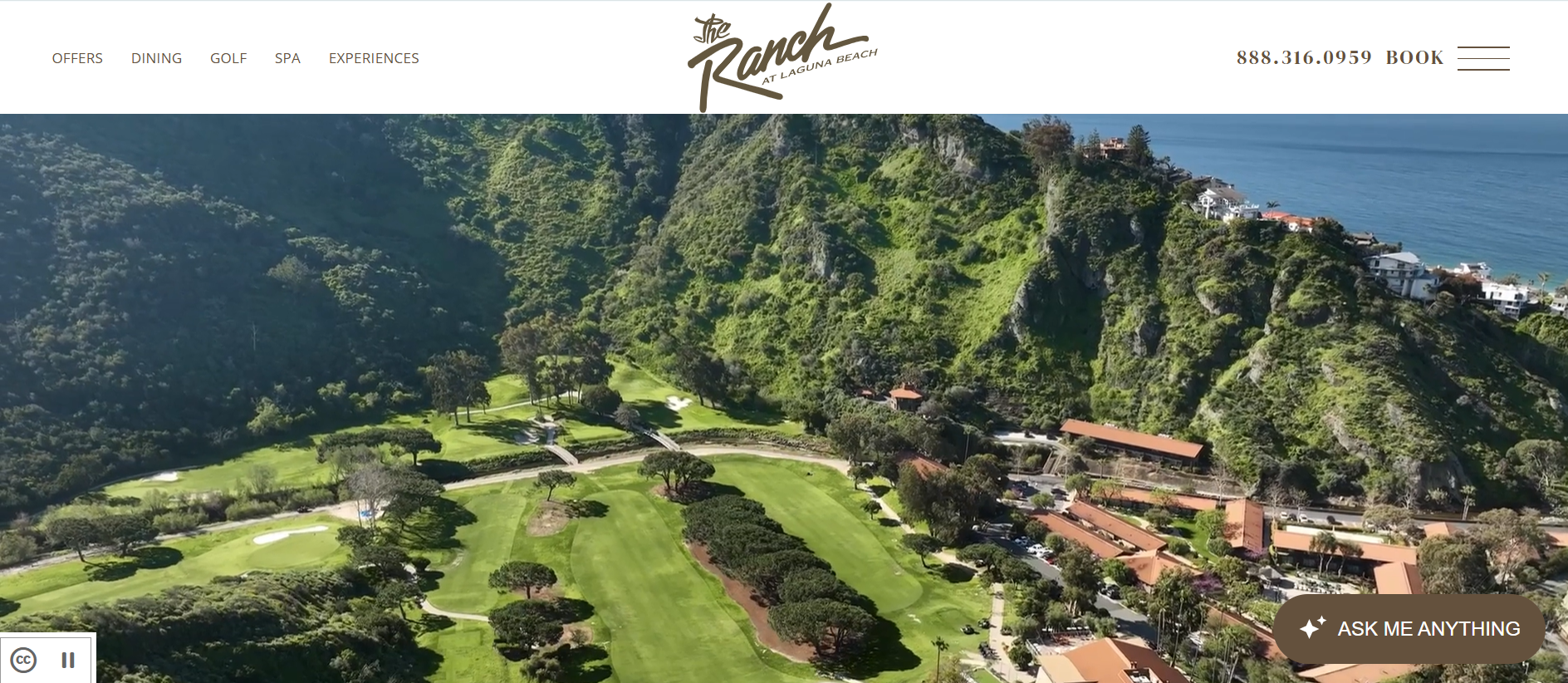
The culinary program leans coastal California, and the property can handle breakout sessions across multiple indoor and outdoor spaces. It's a 90-minute drive from LAX or a quick helicopter ride from Orange County if you're working with tight executive schedules.
Capacity: 25–40 guests
Best for: Brand alignment sessions, vision work, and creative strategy for West Coast leadership teams
2. Twin Farms—Barnard, Vermont
This is the retreat you book when privacy matters more than proximity. Each room is individually designed (some with fireplaces, soaking tubs, or private terraces), and the property limits guest count to maintain exclusivity. It's ideal for board retreats, post-acquisition leadership integration, or founder-level discussions that benefit from total discretion.
The property sits on 300 acres of Vermont countryside. No day visitors, no distractions. Meeting spaces are intimate, meals are Michelin-caliber, and the entire experience is built around focus and restoration. Expect higher investment here, but the privacy and service level justify it for sensitive executive work.
Capacity: Up to 30 guests (full property buyout available)
Best for: Board gatherings, founder summits, post-deal reflection, or any retreat requiring absolute discretion
3. The Lodge at Woodloch—Hawley, Pennsylvania
When executive teams are burnt out, this wellness-forward lakefront lodge offers both structure and recovery. You'll find tech-equipped meeting rooms for serious strategy work, plus spa treatments, meditation sessions, and forest bathing when leaders need to reset.
It's a two-hour drive from NYC or Philly, making it accessible for East Coast teams without requiring flights. The property balances focus with restoration—ideal for leadership groups planning major pivots while also acknowledging that the team needs to recharge. All-inclusive pricing simplifies budgeting.
Capacity: 30–60 guests
Best for: Executive teams under pressure who need direction and recovery in equal measure
4. Caldera House—Jackson Hole, Wyoming
Alpine views, contemporary design, and enough privacy for a full property takeover. Caldera House works well for smaller leadership teams (think 10–20 executives) who need concentrated time on bold questions: market entry, major pivots, five-year roadmaps.

The setting creates natural distance from daily operations. Floor-to-ceiling windows frame the Tetons, meeting spaces feel residential rather than corporate, and the town of Jackson Hole offers solid dining options when the group wants to get off property. Winter brings skiing; summer brings hiking and fly fishing.
Capacity: 10–25 guests (ideal for intimate executive gatherings)
Best for: Small leadership teams tackling long-range strategy or creative risk-taking
5. Blackberry Farm—Walland, Tennessee
Southern hospitality meets five-star execution on this 4,200-acre estate in the foothills of the Great Smoky Mountains. The culinary program is exceptional (on-site brewery, creamery, and farm), and the service level matches it. This venue excels at creating the right environment for culture resets, leadership reflection, and generational transitions.
Meeting spaces range from intimate libraries to larger pavilions, and the property offers activities like fly fishing, horseback riding, and cooking classes when you need to break up intensive sessions. It's a fit for teams that want refinement without stuffiness.
Capacity: 40–70 guests
Best for: Culture work, leadership reflection, cross-generational alignment, or retreats where hospitality and environment matter as much as the agenda
6. Miraval Arizona—Tucson, Arizona
If your retreat goals include team dynamics, communication patterns, or leadership presence, Miraval's programming goes deeper than most properties. Guided workshops on conscious leadership, challenge courses designed for executive teams, and mindfulness sessions led by trained facilitators all support the kind of work that's hard to tackle in a boardroom.
The desert setting creates natural separation from daily operations, and the property's wellness infrastructure (spa, fitness, healthy dining) keeps energy high throughout multi-day sessions. The Offsite Co. often recommends Miraval for teams navigating significant change, growth, or internal realignment.
Capacity: 30–80 guests
Best for: Teams working on dynamics, communication, or leadership development alongside strategic planning
7. The Greenbrier—White Sulphur Springs, West Virginia
This historic resort handles scale with grace. With 710 rooms, multiple ballrooms, and 36 holes of golf, it's built for larger leadership gatherings or multi-division executive meetings. The setting feels established and impressive—helpful when you're hosting a leadership summit that includes board members, investors, or other stakeholders.
Meeting infrastructure is extensive (AV, breakout rooms, dedicated event staff), and the property offers activities ranging from falconry to off-road driving when you need to mix work with memorable experiences. It's a solid choice when headcount exceeds 50 and you need full-service support.
Capacity: 50–200+ guests
Best for: Large executive teams, multi-division leadership summits, or retreats requiring serious meeting infrastructure and scale
8. Cavallo Point—Sausalito, California
Located at the base of the Golden Gate Bridge with views of San Francisco Bay, Cavallo Point offers proximity to the city with a setting that feels removed. It's a smart pick for tech leadership teams, investor summits, or cross-functional alignment work when you want easy access to SFO but don't want to stay in the city.
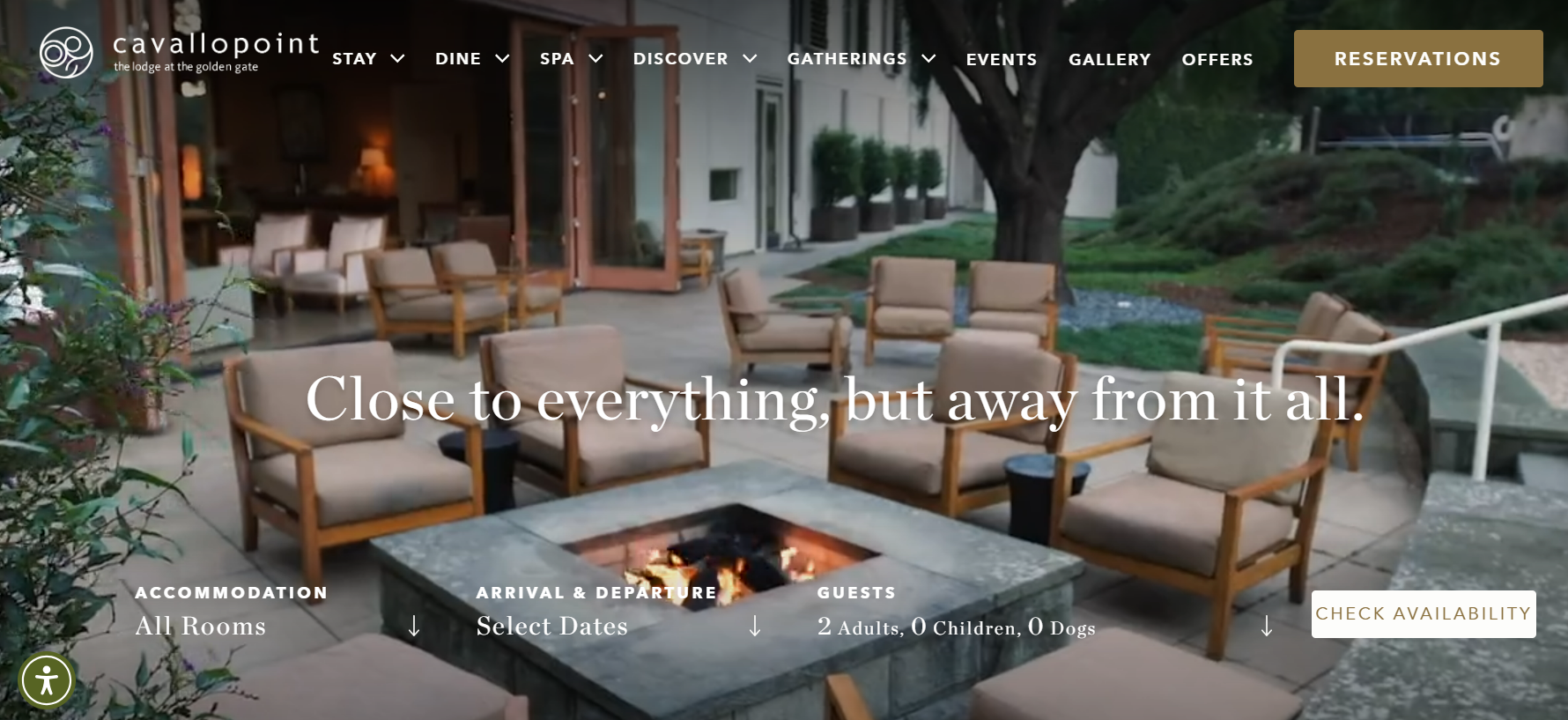
The property includes historic officers' quarters converted into modern meeting spaces, plus contemporary lodges with floor-to-ceiling windows. Fort Baker's trails and waterfront location create natural breaks between sessions, and Sausalito's dining scene is a short walk away.
Capacity: 30–100 guests
Best for: Tech leadership teams, investor summits, or Bay Area companies wanting a retreat setting without leaving the region
Questions to Ask Before Booking a Leadership Retreat
The Offsite Co. starts every retreat planning conversation with these questions. They determine venue selection, agenda structure, and whether the retreat will actually move the needle.
What are we here to solve, shift, or unlock? Generic goals like "team building" or "strategic planning" don't give you enough to work with. Get specific: Are you finalizing next year's roadmap? Resolving a cross-functional blocker? Rebuilding trust after a leadership transition?
Is this about alignment, decision-making, big vision—or something else entirely? The answer shapes everything—from how much time you need to what kind of space works best. Alignment retreats require different formats than decision-making sessions.
Who needs to be in the room to make it count? If key decision-makers or stakeholders are missing, you'll spend the retreat deferring choices or building consensus that collapses the minute you're back in the office.
Are we creating space for real conversation, not just packed schedules? The best insights often emerge during meals, walks, or unstructured time—not back-to-back presentations. Build breathing room into the agenda.
These questions bring clarity before a single venue gets evaluated. They help leadership teams shape a retreat that fits the moment—whether the goal is vision, trust, strategy, or momentum.
Why Leaders Choose The Offsite for Executive Retreats
Big decisions need big thinking—and that kind of clarity doesn’t happen in a boardroom. It happens when leaders step away from the noise and step into a space built for breakthroughs.
At The Offsite, we create high-energy retreats designed for leaders who move fast and make bold decisions. These teams thrive on clarity, momentum, and sharp thinking—so we give them the space to recharge, refocus, and plan their next big move with zero distractions or delays.
Why Executives Trust The Offsite for Leadership Retreats
At the leadership level, every hour counts. There’s pressure to deliver outcomes, set direction, and hold the room. Our retreats are built to match that pace. We plan with precision, design with intent, and create experiences that respect both the time and the stakes.
We work with executive teams to craft high-impact retreats that blend strategic clarity, thoughtful pacing, and seamless logistics. Whether it’s a two-day alignment session or a multi-region leadership summit, we bring the right tools and team to make it work.
What We Offer
We plan leadership retreats with structure, pace, and precision. Every detail is handled with care, so your team can stay focused on what matters most. From big-picture strategy to on-site flow, we build retreats that support real work and lasting alignment.
Top-tier venues, fully vetted and commission-free
Retreats designed around strategy, with optional expert facilitation
Logistics handled end-to-end: lodging, meals, AV, activities, and follow-up
Clear pricing, budget visibility, and ongoing support
A dedicated Retreat Producer and on-site lead for full coordination
Every detail is crafted for clarity and ease. We handle the complexity, so your team can show up ready to lead.
Where Strategy Meets Execution with The Offsite
We've built hundreds of retreats for leadership teams across industries. We know what makes them run well, and we care about getting it right. The Offsite Co. maintains a 97% year-over-year client retention rate because we treat leadership retreats as high-stakes events, not team outings.
If you're ready to plan a retreat that drives clarity, trust, and action, schedule a free consultation and let's start building what your team actually needs.
Frequently Asked Questions
How long should a corporate leadership retreat last?
Most executive leadership retreats run 2–3 days. Single-day retreats work for focused decision-making or quarterly planning, but they don't leave room for the informal conversations that often produce the best insights. Multi-day formats allow for deeper work—day one covers alignment, day two focuses on strategy and decision-making, and day three handles action planning. The Offsite Co. helps leadership teams determine the right length based on objectives and travel logistics.
What's the ideal group size for a leadership retreat?
Leadership retreats typically range from 8–50 attendees. Executive teams (C-suite plus direct reports) usually fall between 10–25 people. Larger leadership summits can push toward 50–100 attendees, though dynamics change significantly at that scale. Smaller groups allow for deeper dialogue and faster decision-making; larger groups benefit from cross-functional exposure but require more structured facilitation.
Should we bring in an external facilitator for our leadership retreat?
It depends on the agenda. If the retreat focuses on sensitive topics (organizational restructuring, leadership transitions, culture challenges), an external facilitator creates psychological safety. If the work is primarily strategic planning or decision-making, internal leadership can often run the sessions effectively. The Offsite Co. offers optional expert facilitation for retreats where neutral guidance adds value.
How far in advance should we plan a corporate leadership retreat?
Plan 3–6 months out for best venue availability and pricing, especially if you're targeting peak seasons or popular locations. Executive calendars are difficult to align, so earlier planning gives you better odds of full attendance. The Offsite Co. can execute retreats on shorter timelines when necessary, but advance planning allows for better venue selection, more thoughtful agenda design, and lower costs.
What should we avoid when planning a leadership retreat?
Overpacked agendas top the list. Leadership teams need time to think, not just react to back-to-back sessions. Other common mistakes include choosing venues based solely on cost (which often backfires with poor service or inadequate meeting space), skipping pre-work, and failing to define success metrics upfront. The Offsite Co. uses data from hundreds of corporate events to help leadership teams avoid these pitfalls.
Do leadership retreats actually improve team performance?
When done well, yes. Research shows that focused time away from daily operations improves strategic clarity, strengthens cross-functional relationships, and accelerates decision-making. The key is treating the retreat as a strategic investment rather than a team perk—clear objectives, structured agendas, and measurable outcomes make the difference. The Offsite Co. builds retreats around specific business outcomes and tracks what works.