
Small Corporate Retreat Locations for Focused Team Gatherings
Big things can happen in small settings. With the right location, even a quick offsite can spark fresh ideas, fuel real conversations, and give your team the space to hit reset and move forward with purpose. It's not about headcount—it's about energy, clarity, and momentum. The best small retreats feel dialed in from the start—focused, comfortable, and flexible enough to let creativity breathe.
At The Offsite Co., we specialize in designing retreats for teams of 5 to 30 where every hour counts. Using insights from real corporate event data, we match your goals to the right venue and handle every detail—so you can focus on the conversations that matter. Ready to create space for your team to reset and refocus? Get your free consultation and let's make it happen.
Choosing a Venue That Matches the Way You Work
Small teams need different infrastructure than large offsites. A 50-person retreat absorbs logistical friction—if the WiFi drops or breakfast runs late, the day continues. With 8 people, every friction point compounds. One poorly designed meeting space or scattered lodging kills momentum that's hard to rebuild.
Scale Determines Everything
Large retreats optimize for capacity and cost per head. Small retreats optimize for focus and psychological safety. A mountain lodge that sleeps 12 feels intimate. The same lodge hosting 40 feels like summer camp.
The sweet spot: Properties running at 60-70% capacity create better dynamics than those packed to stated maximums. Book a venue rated for 20 when you have 12 people—the breathing room matters.
Remote Access Becomes an Advantage
Large groups need proximity to airports and ground transportation for 30+ people. Small teams can access properties that large groups can't reach efficiently:
A venue requiring a 90-minute drive plus 30 minutes on dirt roads works fine for two rental cars
That same location becomes a logistics nightmare for eight vehicles and varying arrival times.
Remote properties deliver genuine disconnection without the coordination headaches that kill large offsites.
Responsive Coordination Beats Corporate Infrastructure
Look for venues where the owner or property manager lives on-site or nearby. When your group represents 100% of that week's occupancy, you get flexibility around meal timing, meeting space setup, and activity scheduling that disappears at properties juggling multiple groups simultaneously. Small retreats benefit from responsive coordination that corporate hotel staff can't match.
Thoughtfully Designed Retreat Locations for Small Teams
The best small corporate retreat locations feel grounded, intentional, and slightly out of the way. They make space for focus, fresh thinking, and real dialogue—whether you're refining strategy or just reconnecting in person.
1. Getaway House—Multiple U.S. Locations
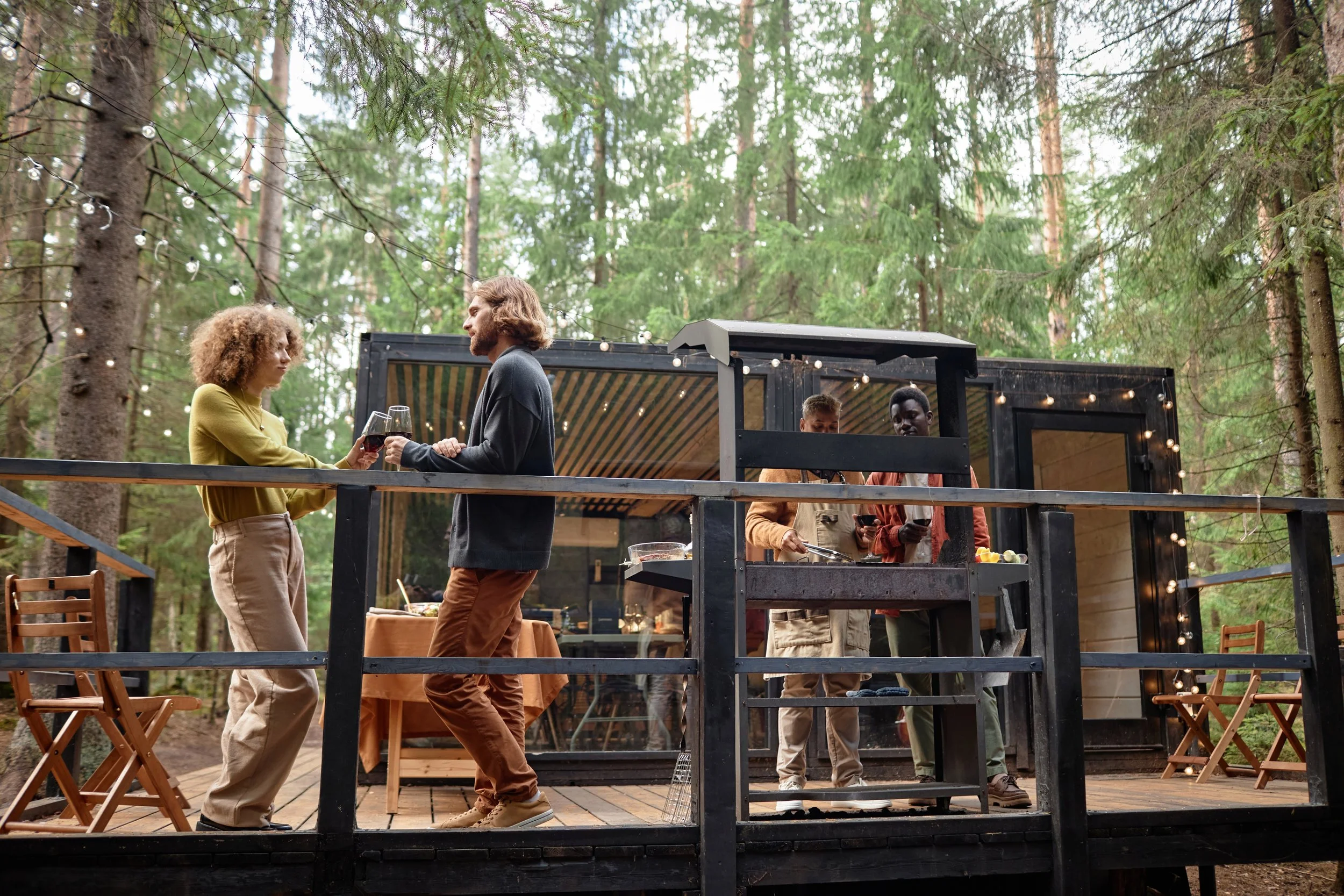
Clusters of tiny cabins designed for digital detox, located within 2 hours of major cities across the U.S. Each cabin sleeps 2-4 people with minimal amenities—kitchenette, wood stove, large windows facing woods. No Wi-Fi by design, though cell service works if needed.
The format works well for founding teams who want to eliminate distractions and focus on deep work between informal check-ins. Groups book multiple cabins on the same property, creating natural separation for focused work with shared meals or evening fire pit conversations.
Best for: Founding teams or leadership groups focused on deep work, vision reset, or solo reflection between sessions.
2. Sage Lodge—Pray, Montana
Set on the edge of Yellowstone along the Yellowstone River, this mountain lodge offers private meeting rooms, a full spa, and direct access to fly fishing and hiking trails. The property balances upscale finishes with a genuine wilderness setting—no manufactured "rustic" aesthetic.
Meeting spaces include both indoor conference rooms and outdoor decks overlooking the river. Activities like guided fly fishing or ranch experiences can be woven into the agenda without requiring off-site coordination.
Best for: Executive teams looking to pair wellness with long-range planning or leadership development.
3. AutoCamp Yosemite—Midpines, California
Luxury Airstreams and modern cabins positioned 30 minutes from Yosemite's entrance, with a central clubhouse designed for small group gatherings. The aesthetic is clean and contemporary—more Dwell magazine than traditional camp.
The clubhouse serves as a shared workspace and meeting area, while individual Airstreams give team members privacy for heads-down work or evening downtime. It's a strong middle ground between remote and accessible, creative and comfortable.
Best for: Brand teams, design sprints, or small group workshops in need of clarity and inspiration.
4. The Retreat at Balcones Springs—Marble Falls, Texas
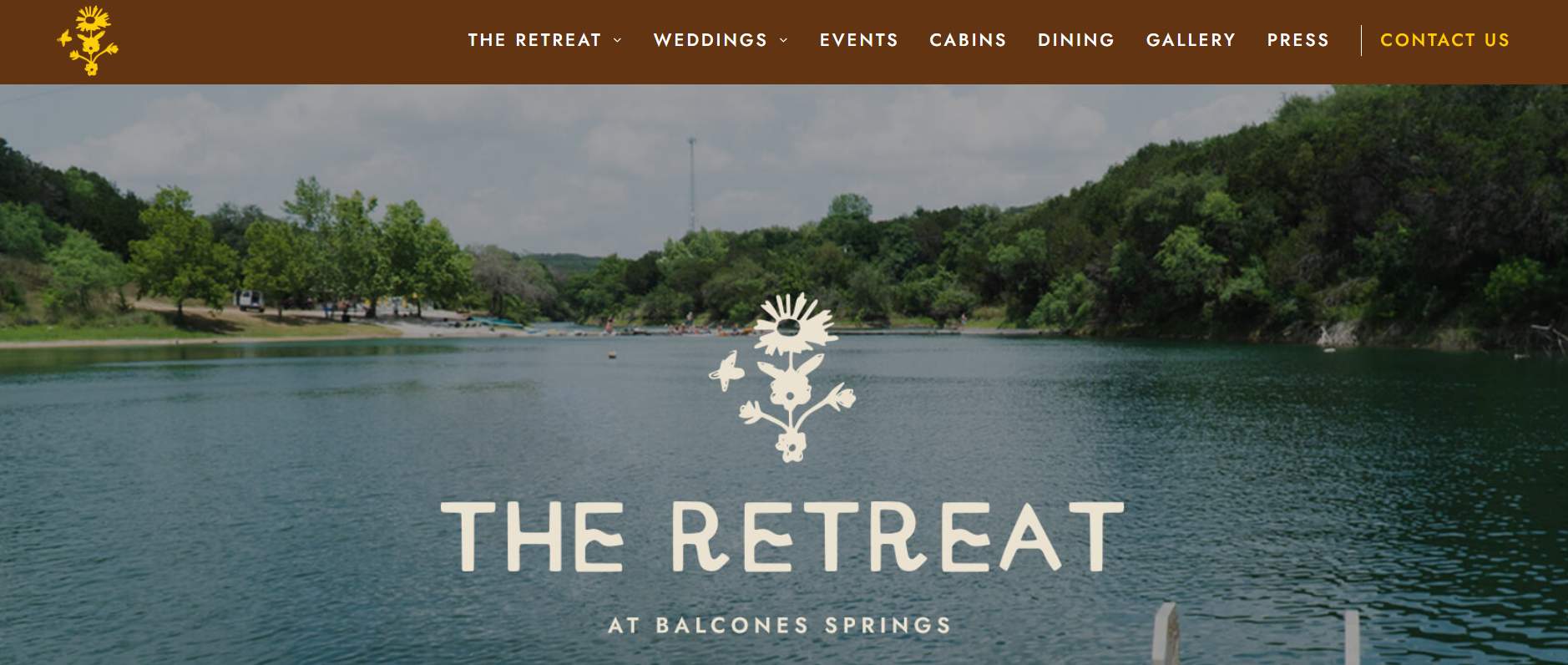
A quiet lakeside retreat tucked in Texas Hill Country with customizable meeting spaces, private lodges, and on-site catering. The property sits on 300 acres with lake access, hiking trails, and spaces designed specifically for corporate groups rather than weddings or events.
Meeting facilities range from boardroom-style setups to outdoor pavilions, and the staff works with groups to design schedules that balance structured sessions with flexible downtime. It's an hour from Austin, making it accessible without feeling suburban.
Best for: Company culture resets, leadership sessions, or strategic alignment offsites.
5. Hidden Pond—Kennebunkport, Maine
A wooded property with private garden cottages, a tree house spa, and farm-to-table dining. The setting leans calm and considered—cottages are spread across the property for privacy, but common areas encourage interaction when teams want to gather.
Kennebunkport's coastal location means ocean access is nearby, but the property itself feels inland and forested. It's a good choice for teams who want New England charm without the tourist-heavy feel of peak-season coastal towns.
Best for: Strategy retreats, creative planning, or small team alignment by the coast.
6. Dunton Hot Springs—Dolores, Colorado
A restored 19th-century ghost town turned luxury retreat in the San Juan Mountains, complete with natural hot springs, hand-restored cabins, and total seclusion. The property accommodates up to 30 guests and operates as a full buyout—meaning your team has complete privacy.
Cabins maintain historic exteriors with modern interiors, and the natural hot springs create a built-in gathering point for evening conversations. It's remote (nearest town is 45 minutes), which reinforces focus and eliminates the temptation to drift back into work mode after hours.
Best for: Senior leadership teams seeking a quiet, high-touch setting for vision work and team connection.
7. The Green O—Greenough, Montana
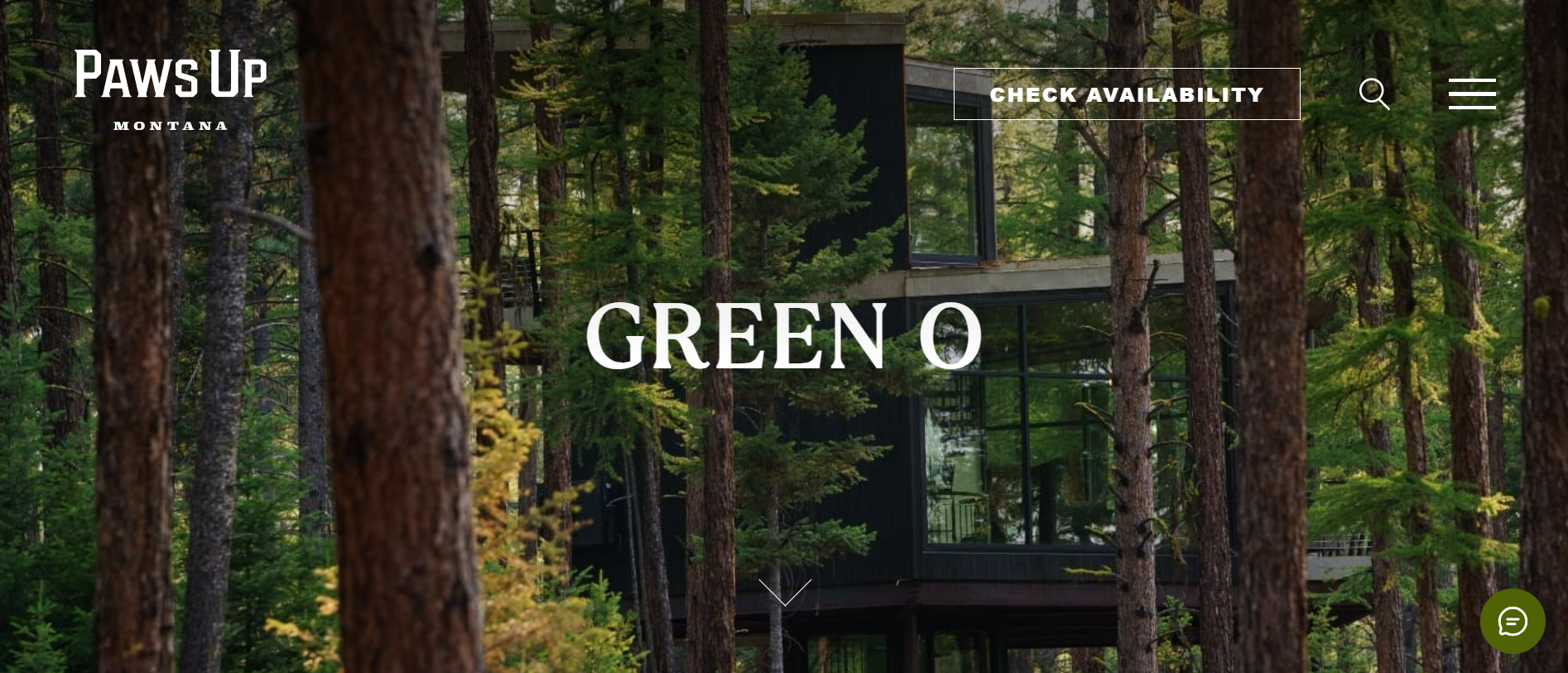
Luxury treehouses designed by a renowned architect, with personalized service and an all-inclusive model made for groups up to 12 guests. The property operates as a full buyout, ensuring complete privacy and staff attention dedicated entirely to your team.
Activities range from fly fishing to chef-led foraging experiences, and the culinary program is exceptional—meals are tailored to preferences and dietary needs without feeling formulaic. It's built for teams who want space, style, and the kind of service that anticipates needs without hovering.
Best for: Leadership incentive trips, investor gatherings, or intimate strategy sessions that call for space and style.
Why Small Retreats Move Strategy Forward
Small teams make decisions faster when they're removed from daily operations. Without the constant pull of emails, Slack notifications, and back-to-back meetings, leadership groups can focus on the questions that actually shape direction—not just react to what's urgent.
Fewer People, Sharper Decisions
The structure of a small retreat creates natural conditions for clarity:
Less time spent aligning on context, more time working through actual decisions.
Conversations move from surface-level updates to substantive debate.
Every voice carries weight—there's nowhere to hide and no room for passengers.
When the group is tight, the pressure to contribute meaningfully rises. Decisions that would take weeks of email threads and three rescheduled meetings get resolved in a single afternoon session because everyone's actually in the room and focused on the same problem.
Environment Shapes Thinking
Remote settings amplify focus in ways that conference rooms can't replicate. A University of Michigan study found that spending time in natural environments improved memory performance and attention spans by 20% compared to urban settings. That's not just feel-good retreat talk—it's measurable cognitive improvement.
The physical separation matters too. Teams that stay local often drift back into operational mode during breaks, checking email or taking calls that pull them out of strategic headspace. True offsite locations create psychological distance from daily demands, which allows strategic thinking to take priority without constant context-switching.
Unstructured Time Drives Alignment
The best strategic insights often emerge during a hike between sessions, over dinner, or in an unstructured morning conversation. Small retreats create natural opportunities for this kind of connection:
Informal conversations surface concerns that wouldn't come up in formal sessions.
Side discussions between two or three people often unlock decisions for the full group.
Shared meals and downtime build trust that makes the hard conversations easier.
Harvard Business School research on team dynamics found that teams with higher "psychological safety"—the ability to take interpersonal risks—make better decisions and adapt faster to challenges. Small retreats accelerate this by removing hierarchical cues and creating space for honest dialogue outside the office context.
Two Days Replace Two Weeks
For leadership teams facing pivots, roadmap decisions, or post-growth recalibration, a well-structured offsite compresses weeks of circular discussion into focused sessions. One tech founder we work with described their annual leadership retreat as "the place where we actually decide things instead of talking about deciding things."
The output isn't just a slide deck—it's shared conviction on what matters next, with everyone aligned on priorities and ready to move forward without second-guessing. When done right, a two-day retreat delivers clarity that three months of scheduled meetings can't match.
Your Go-To Team for Thoughtful, Tight-Knit Retreats
At The Offsite, we know smaller retreats require sharper planning. With fewer people, every hour holds more weight. We design the pacing, structure, and energy with intention—so your team moves with clarity, stays in flow, and has space for real conversations to take shape.
Why Small Retreats Need Expert Planning Too
When you’re planning for 5 to 30 people, every hour should have direction. The structure needs to be flexible without slipping into chaos, and the environment should support the exact tone you’re setting—whether that’s strategic, restorative, or creative.
We design retreats with clarity from the start. From the first agenda sketch to the last airport transfer, we keep the experience smooth and dialed-in. Our job is to make it all work behind the scenes so you can lead the conversation that matters most.
What We Offer
Here’s what you can expect when you work with us:
Access to hundreds of small-group venues—urban, coastal, remote, and everything in between
Full planning and logistics: lodging, meals, travel, scheduling, vendor coordination
Custom agendas built around your outcomes (strategy, wellness, creative work, etc.)
Flat-fee pricing with real budget tracking
Dedicated Retreat Producer and optional on-site coordination
We build retreats that feel right from the first step off the plane. The pace, the people, the place—it all clicks because the planning does.
Designed for Depth, Delivered with Care
Small corporate retreat locations shape the tone, clarity, and outcomes of every session. When the group is small, every detail counts more—from the flow of the day to the feel of the space. The right location sets the pace for progress.
At The Offsite, we use insights from corporate event data to match your team with venues that fit your goals and handle everything else—venue sourcing, travel, scheduling, meals, and execution. Our 97% year-over-year client retention rate reflects what happens when the planning actually works. Ready to create space for your team to reset and refocus? Get your free consultation and let's make it happen.
Frequently Asked Questions
How much does a small corporate retreat typically cost per person?
Costs vary widely based on location, accommodation type, and included amenities. Budget-conscious teams can find options in the range of basic lodging and meals at state parks or rural properties, while luxury buyouts with full service run significantly higher. The biggest cost drivers are lodging quality, meal plans, and activity programming. Working with a retreat planner who uses flat-fee pricing helps you maximize your budget without hidden markups.
What's the ideal group size for a small corporate retreat?
Most small retreat venues are designed for 8-30 people. Below 8, you risk losing group energy and the diversity of perspectives that make offsites valuable. Above 30, you start encountering the logistical challenges of larger events—transportation coordination, varied arrival times, and the need for breakout spaces. The 12-20 range tends to hit the sweet spot for focused strategic work.
Should we choose a remote location or stay closer to the office?
Remote locations create stronger psychological separation from daily work, which helps teams focus on strategic thinking rather than operational firefighting. A University of Michigan study found that natural environments improved attention spans by 20% compared to urban settings. That said, if your team is spread across multiple cities, choosing a location that minimizes total travel time (even if it's near a major airport) can be the smarter move.
How do we measure ROI on a small team retreat?
Track specific outcomes rather than general satisfaction. Did you finalize the Q1 roadmap that's been stalled for six weeks? Did leadership align on a go-to-market strategy? Did you identify and resolve team friction points that were affecting delivery? The ROI shows up in faster decision-making, reduced miscommunication, and clearer priorities post-retreat. Teams with strong retreat outcomes report fewer alignment meetings and faster execution in the following quarter.
What makes a venue good for small teams versus large groups?
Small team venues prioritize intimacy and flexibility over capacity. Look for properties where your group can have dedicated meeting space without sharing common areas with other guests, lodging close enough that people naturally interact during downtime, and staff ratios that allow for personalized service. Large group venues focus on scalability—multiple breakout rooms, banquet-style dining, and operational efficiency for dozens of people. Small venues should feel like you've borrowed someone's exceptionally nice home, not like you're in a conference center.
Can The Offsite Co. help with retreat planning on short notice?
Yes. While 3-6 months is ideal, we've planned successful retreats with 4-6 week lead times. Shorter timelines limit venue options and may require flexibility on dates, but our database of vetted properties and existing vendor relationships let us move quickly. If you're working with urgent timelines, reach out for a free consultation and we'll assess what's possible for your dates and goals.