
Corporate Retreats in Texas: Drive Stronger Collaboration and Team Growth
Texas operates at a scale most states can't match. Hill Country vineyards, Gulf Coast beaches, West Texas desert landscapes, pine forests in East Texas—the state contains enough geographic diversity that you could run distinctly different retreats every quarter without repeating settings. Add world-class cities like Austin, Dallas, Houston, and San Antonio, and you've got retreat infrastructure that rivals California at significantly lower costs.
At The Offsite Co., we've been running Texas retreats for years—including our own Austin offsite that tested what actually works versus what just looks good in photos. We match your team's goals to Texas's terrain and handle the logistics so geography becomes an advantage instead of a planning headache. Let's talk about what your team needs.
What Texas Geography Means for Retreat Planning
Texas's size creates both advantages and planning traps. Understanding the state's operational realities helps you leverage the benefits without getting caught by distance, weather, or infrastructure assumptions that don't hold up.
Distance Deception on Texas Maps
Everything looks deceptively close until you account for actual drive times. Austin to San Antonio appears to be 80 miles—90 minutes off-peak, but 2+ hours during Friday afternoon exodus. Houston to Hill Country runs 3.5-4 hours despite looking like a short hop.
Always add a 20-30% buffer to GPS estimates. Texas traffic patterns and highway construction create delays that mapping software doesn't predict.
Summer Heat Is a Planning Constraint
June through August brings sustained 95-105°F temperatures across central and southern Texas. This isn't "plan backup activities" weather—outdoor programming between 11am-6pm becomes dangerous.
Optimal windows by region:
Hill Country: March-May, September-November
Gulf Coast: April-May, September-October
West Texas: October-April only
Dallas/Fort Worth: March-May, October-November
East Texas: March-May, October-November
County-by-County Alcohol Regulations
Texas operates under patchwork alcohol laws affecting retreat planning. Some Hill Country venues sit in "dry" counties with restrictions on bar service or requiring BYOB policies. Bandera County ranch properties may not offer alcohol despite being legally permitted. Always verify policies during venue selection—discovering restrictions the week before creates unnecessary problems.
Airport Access Varies Dramatically
San Antonio airport provides the easiest retreat access—15 minutes to downtown, 30-45 to Hill Country, 60-90 to ranches. Austin airport sits 45+ minutes from most Hill Country properties. Houston Hobby to Galveston: 45-60 minutes. DFW to Fort Worth: 30-45 minutes depending on the terminal.
Cost Advantages Require Context
Texas venues typically run 25-35% below comparable California or Northeast options. A Hill Country estate accommodating 40 guests with catering might cost what a basic Napa property charges for venue rental alone.
The advantage materializes most clearly during shoulder seasons at non-urban properties—spring and fall Hill Country, off-peak Gulf Coast, midweek ranch bookings deliver 30-40% savings while maintaining quality.
6 Texas Retreat Settings That Deliver Results
1. Duchman Family Winery – Driftwood (Hill Country)
This Italian-inspired winery sits on 14 acres of Hill Country vineyards, 30 minutes southwest of Austin. The property includes a villa accommodating up to 30 guests for exclusive use, a tasting room with panoramic views, and outdoor terraces for meetings.
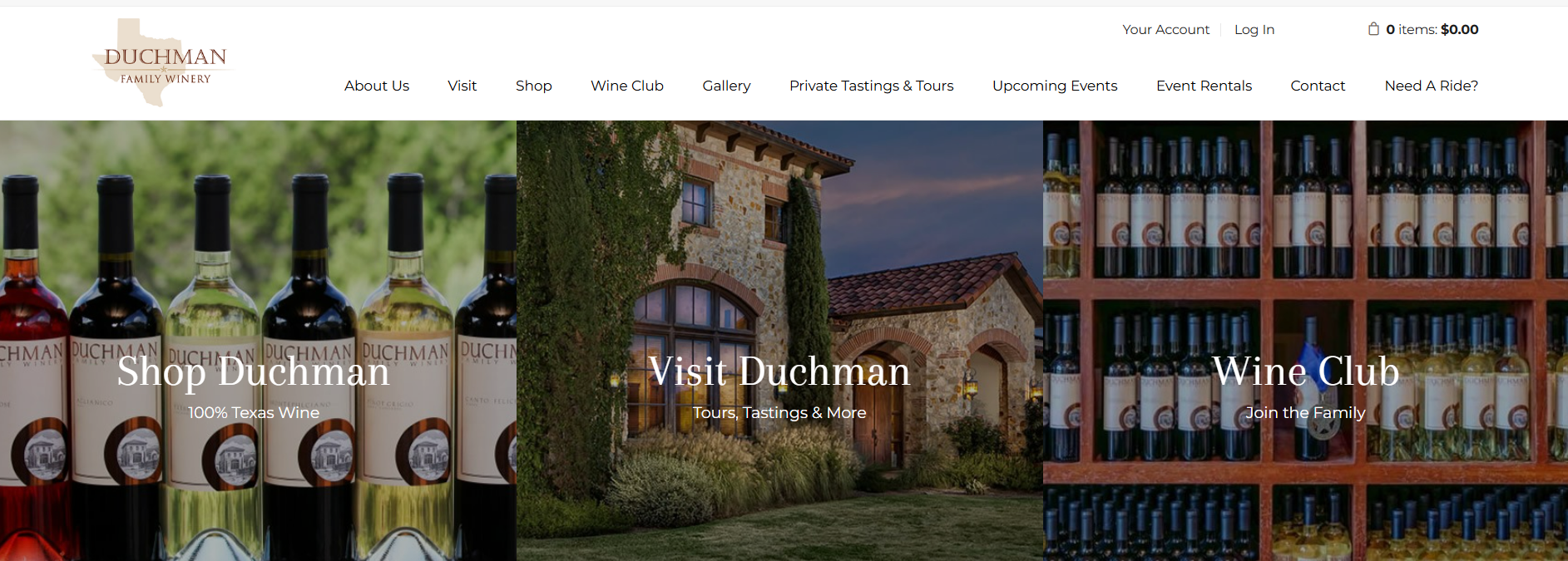
Morning strategy sessions on the villa terrace overlook vine rows. Afternoon wine education happens with the actual winemaking team. Evening dinners feature local ingredients paired with estate wines. The intimacy matters—with only 30-person capacity, your team has genuine privacy.
Book 4-6 months out for spring and fall dates (March-May, September-November). Summer heat requires indoor programming midday.
Capacity: Up to 30 guests
Best for: Leadership teams, executive offsites, strategic planning requiring focus
2.Hotel Van Zandt – Austin
Located in Austin's Rainey Street District, Hotel Van Zandt delivers boutique hospitality with a live music venue, rooftop pool, meeting spaces with skyline views, and walking access to restaurants. The property's music focus reflects Austin's culture authentically.
Meeting rooms accommodate 15-80 guests. Morning sessions in conference rooms, afternoonteam-building activities like urban scavenger hunts or BBQ competitions, evening restaurant scene without transportation coordination. Direct flights from most major U.S. cities make logistics straightforward.
Watch for event conflicts: Rates spike during SXSW (March), Formula 1 (October), and UT football weekends. Book 4-6 months ahead.
Capacity: 15-80 guests
Best for: Tech companies, creative teams wanting urban energy with Hill Country access
3.Moody Gardens Hotel – Galveston
This Gulf Coast property sits on 242 acres with beach access, on-site attractions (aquarium, rainforest pyramid), and comprehensive meeting facilities. The scale accommodates groups of 50-200+ without feeling lost in a massive resort.
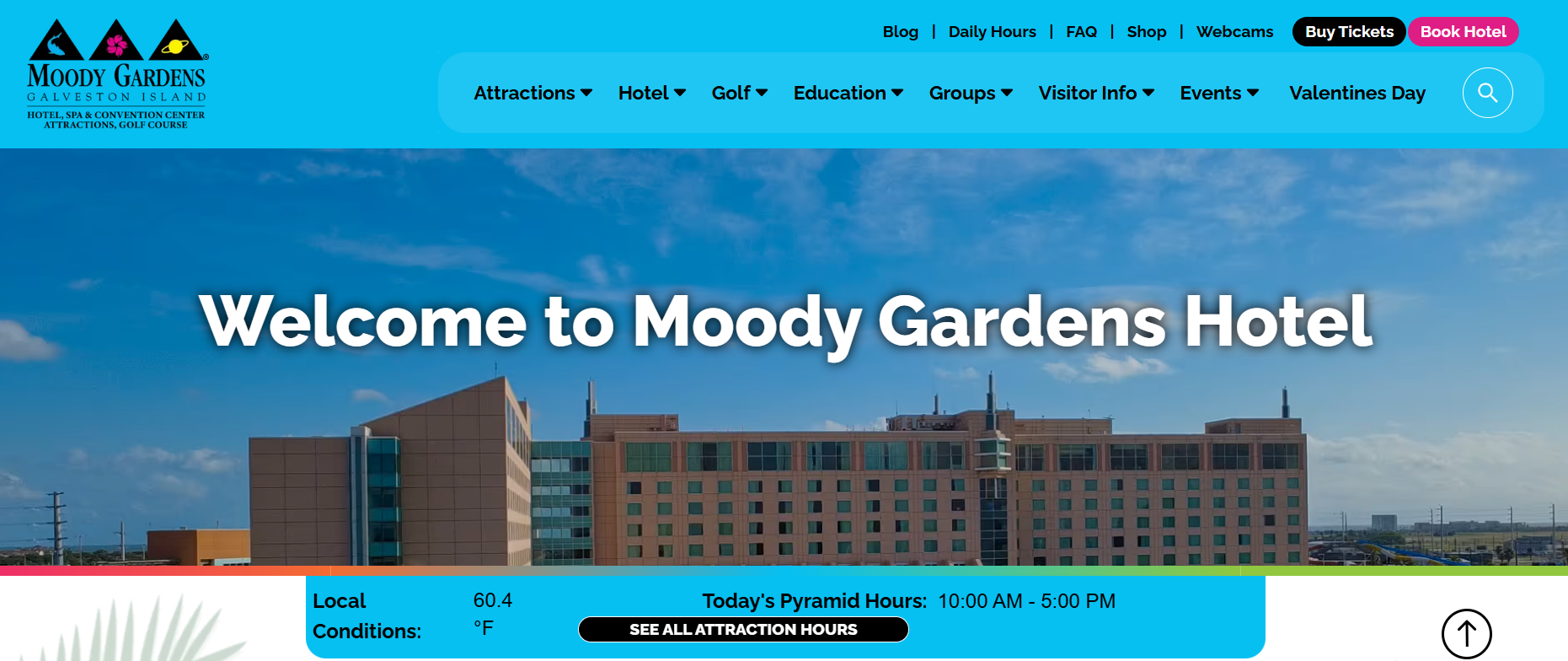
Beach access without leaving the property—morning walks, afternoon beach olympics, evening bonfires with Gulf views. On-site attractions provide built-in programming for diverse fitness levels. Multiple restaurants handle group dining without off-site coordination.
Hurricane season (June-November) requires weather monitoring. Best rates during shoulder seasons (April-May, September-October). Drive time: 60 minutes from Houston Hobby Airport.
Capacity: 50-200+ guests
Best for: Large company offsites, teams wanting beach access with comprehensive facilities
4.The Joule – Dallas
This downtown Dallas luxury hotel occupies a historic 1920s building with contemporary design, a rooftop pool with skyline views, and meeting spaces that balance character with functionality.
Meeting rooms accommodate 20-150 guests. Downtown location means walkable Arts District access. Two major airports (DFW and Love Field) provide extensive flight options. Dallas's hotel capacity means last-minute bookings stay feasible even 60-90 days out—critical when retreat timing depends on unpredictable schedules.
Year-round operation. The property's design creates visual interest that keeps teams engaged during multi-day intensive sessions.
Capacity: 20-150 guests
Best for: Executive retreats, companies needing booking flexibility, teams wanting urban sophistication
5.Lajitas Golf Resort – Big Bend
Located at the gateway to Big Bend National Park, Lajitas occupies a former mining town turned luxury resort with desert mountain views, Rio Grande access, a golf course, and a spa. This is the only full-service resort offering proximity to genuine wilderness.
The environment commands attention in ways manicured resorts never achieve. Morning hikes into the park, afternoon meetings with desert views, evening stargazing. Leadership teams report the setting's intensity creates strategic conversations that don't happen in conventional environments.
Reality check: 6-8 hours driving from major airports, cell service nonexistent, summer heat genuinely dangerous, medical facilities hours away. October-April only. AtThe Offsite Co., we only recommend Big Bend for healthy teams comfortable with true backcountry conditions.
Capacity: 30-80 guests
Best for: Leadership teams seeking wilderness disconnection, strategic planning requiring environmental shift
6.Dixie Dude Ranch – Bandera
Operating since 1937, Dixie Dude Ranch sits on 725 acres with working cattle operations, horseback riding, clay shooting, and authentic Western hospitality. This isn't a resort pretending to be a ranch—it's an actual working ranch that accommodates corporate groups.

Rustic but comfortable cabins, family-style ranch cooking, and horseback riding as the primary activity—trail rides, cattle work, ranch tours. Team roping challenges and Western skills surface leadership patterns. Evening chuck wagon dinners and campfire gatherings. 60 minutes from San Antonio.
Critical consideration: Horseback riding isn't optional—it's central to the experience. If your team includes people with horse anxiety or physical limitations, choose different venues.
Capacity: 40-80 guests
Best for: Teams comfortable with rustic experiences where horseback riding appeals broadly
How The Offsite Co. Plans Texas Retreats That Actually Work
Texas's size and diversity create planning advantages but also logistical challenges that trip up teams unfamiliar with the state's geography and seasonal patterns. We handle the complexity so you get Texas's benefits without the headaches.
Matching Location to Team Objectives
Austin serves teams wanting urban innovation energy with Hill Country access. Gulf Coast works for groups prioritizing beach downtime between sessions. Big Bend suits leadership teams needing a complete environmental shift. Ranch properties deliver authentic Texas character for teams comfortable with rustic experiences.
We help you choose based on what you're actually trying to accomplish rather than just picking what sounds appealing in planning meetings. Our experience running Texas retreats across different regions means we know which properties deliver on their promises and which just photograph well.
Comprehensive Logistics Management
Texas distances surprise people unfamiliar with the state. Austin to Big Bend: 8 hours. Houston to Hill Country: 3.5 hours. Dallas to South Padre: 9 hours.
We coordinate transportation accounting for actual drive times, arrange accommodations keeping teams together versus scattering them across multiple properties, build schedules allowing for travel without losing entire days to transit, and manage weather contingencies for outdoor programming.
Activity Integration That Leverages Regional Strengths
When we're incorporating team-building exercises into Texas retreats, we use what each region does well rather than forcing generic programming into settings where it doesn't fit.
Hill Country gets wine-focused programming. The Gulf Coast emphasizes beach challenges and water activities. Ranch properties use horseback riding and roping skills. Urban centers provide innovation workshops and culinary competitions. Our work on team offsite activities that boost engagement has shown matching activities to setting authenticity delivers better results than cookie-cutter approaches.
Transparent, Flat-Fee Pricing
Our flat-fee model means one number covers your entire Texas retreat—venue, lodging, meals, activities, transportation, and facilitation. You know exactly what you're spending before anyone books flights, with no hidden fees or surprise charges appearing later.
Texas's generally lower baseline costs compared to coastal markets mean your budget stretches further here while delivering comparable or better experiences.
Why Companies Keep Coming Back
Our 97% year-over-year client retention rate reflects how we operate: we make planning genuinely easy and deliver retreats that exceed expectations. Companies return because we handle details they didn't know to consider, solve problems before they surface, and create experiences their teams talk about months later.

Build a Texas Retreat That Delivers
Corporate retreats in Texas work when the location choice matches actual team needs rather than picking what sounds impressive. Whether you're gathering leadership teams for strategic planning, running company-wide offsites for culture building, or developing emerging leaders through experiential programming, Texas provides settings that support your objectives without requiring cross-country flights or coastal resort pricing.
The Offsite Co. has been running Texas retreats long enough to know which properties deliver substance and which just market well. Book your free consultation and we'll show you what Texas actually offers for your team.
Frequently Asked Questions
What's the best region in Texas for corporate retreats?
Austin and Hill Country offer the strongest combination of accessibility, natural beauty, and retreat infrastructure for most corporate groups. Gulf Coast works for teams prioritizing beach settings. Dallas/Fort Worth delivers urban amenities with extensive meeting facilities. West Texas suits teams seeking wilderness immersion. The best region depends on whether you prioritize convenience, specific landscape types, or urban versus rural settings.
How does Texas heat affect retreat planning?
Summer (June-August) brings intense heat across most of Texas, limiting outdoor programming to early morning and evening. Spring (March-May) and fall (September-November) provide optimal conditions statewide. Winter works well for southern Texas but northern regions see occasional ice storms. We build programming that works with rather than fights Texas weather patterns.
Can Texas compete with traditional retreat destinations?
Texas won't match Colorado's mountains or California's ocean beaches. It competes on geographic diversity within one state, significant cost advantages over coastal markets, strong corporate infrastructure in major cities, and authentic experiences that don't feel manufactured for tourists. The question is whether your team values variety and value over brand name recognition.
What activities work best for Texas corporate retreats?
Hill Country excels at wine education and culinary programming. Gulf Coast supports beach challenges and water activities. Ranch properties offer horseback riding and Western skills. Urban centers provide innovation workshops, culinary competitions, and cultural exploration. Big Bend enables wilderness immersion. The best activities depend on location choice and team objectives.
How far in advance should we book Texas retreats?
Hill Country wine properties require 4-6 months for prime dates due to wedding demand. Urban hotels in Austin need 3-4 months during event seasons (SXSW, Formula 1, UT football). Dallas offers more flexibility with bookings feasible 60-90 days out. Ranch properties and Gulf Coast venues vary by season. We help you navigate booking timelines based on specific location and timing choices.