
Top 10 Fun Team Building Exercises Your Team Will Love
There’s something weirdly powerful about fun team building exercises that make people laugh, move, and collaborate without overthinking it. The right activity can shake loose new ideas, turn coworkers into co-conspirators, and pull even the quietest folks into the mix. It’s like hitting reset on team dynamics—with snacks.
At The Offsite Co., we've spent years running retreats and watching what actually clicks. These aren't activities designed to fill time—they're simple, smart, and genuinely enjoyable ways to build trust, spark creativity, and make your team feel like a fully functioning unit. No long lectures, no awkward silences—just good energy, better teamwork, and experiences worth repeating.
Want us to design something custom for your team? Get your free consultation and let's build it together.
10 Creative Group Exercises for Teams That Want to Win (or at Least Laugh)
There’s no magic formula, but certain activities have a way of bringing teams to life. Whether remote or gathered in one space, fun team building exercises can add energy to the culture and flow to the workday—without taking over the calendar.
1. Office (or Remote) Scavenger Hunt
A race against the clock, full of odd requests and even stranger discoveries. Teams snap photos or collect items that meet a quirky list. Think "something older than you," "ugliest mug," or "secret snack stash."

Why it works:
Gets people moving and thinking fast
Works equally well for remote and in-office teams
Natural icebreaker through storytelling when items are presented
Add storytelling rounds to earn extra points—the backstory is often better than the item itself.
2. Two Truths and a Lie: Remix Edition
Same classic game, but better with a theme and a time limit. Try rounds like "childhood chaos" or "worst travel moment." Each person shares three statements, and the group votes on which one's fake.
What makes it effective:
Reveals personality without requiring deep vulnerability
Works in any format—live, async, or hybrid
Themes keep it fresh if you're running multiple rounds
Bonus—if someone admits to being banned from a karaoke bar in Prague. The wilder the truths, the better the energy.
3. Desk Safari Photo Challenge
Everyone grabs a pet, plant, or office object and lines it up with a Zoom background—creating a weird hybrid creature. Collect the best combos in a team collage and let everyone vote.
Perfect for:
Fully remote teams who need visual engagement
Breaking up video call fatigue with something absurd
Teams who appreciate creative chaos over structure
Award categories like "Most Disturbing," "Most Majestic," or "Most Likely to Haunt My Dreams."
4. Mystery Sound Game
People record and play sounds from their homes—clicks, buzzes, or oddly personal audio moments. The rest of the group guesses what it is.
What makes it engaging:
Low barrier to entry—anyone can participate
Sparks unexpected conversations about daily routines
Surprising how competitive people get over identifying a dishwasher
Play in rounds with point tracking for teams, or keep it casual with just laughs and reveals.
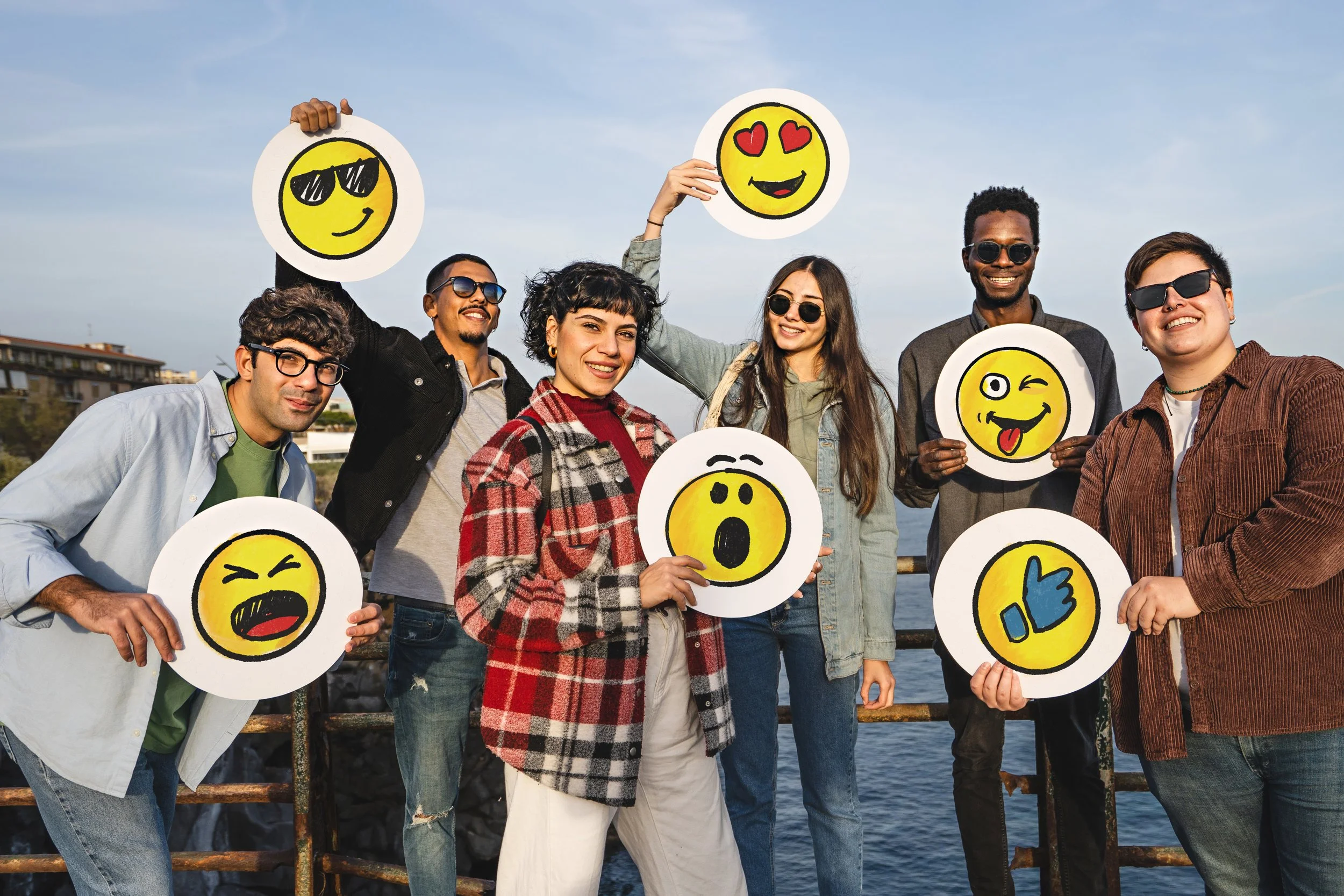
5. Emoji Story Challenge
Each team gets five minutes to tell a full story using only emojis. The stories are then read aloud and interpreted by the other teams.
Why teams love it:
Forces creative problem-solving with limited tools
The interpretation round is often funnier than the original story
Quick format keeps energy high without dragging
Best categories? "Most Unhinged," "Most Likely to Be a Netflix Original," and "Most Surprisingly Sweet."
6. The Mini Hackathon
Give your team a fake-but-fun problem to solve—then go wild. One hour. One prototype. One pitch. It might be a climate-positive coffee mug or a fridge that throws passive-aggressive texts.
What makes it work:
Encourages cross-functional collaboration
Low stakes, high creativity
Mimics real work pressure in a playful context
It's not about the product; it's about the spark. The pitches alone are worth the time investment.
7. Human Bingo
Each person gets a card filled with fun facts. The goal? Find coworkers who match. "Can tap dance." "Met someone famous in an elevator." "Has more than three houseplants."
Perfect for:
New teams or recent hires who need icebreakers
Large groups that need structured mingling
Discovering hidden talents and shared interests
It's silly, it's surprisingly revealing, and yes, it's a good time. The first person to complete a row wins, but honestly, everyone learns something new.
8. Team Lip Sync Battle
Let people pick their song, plan their moves, and perform for glory. Bonus points for props, costumes, and convincing emotion.
Why it hits:
Pure entertainment with zero skill requirement
Builds confidence through playful performance
Creates inside jokes and memorable moments
Optional: record performances and vote anonymously for full democracy. Prepare for surprising talent reveals.
9. Build-a-Brand in 10 Minutes
Here's the challenge: turn a paperclip into a million-dollar brand. Or a potato. Teams have 10 minutes to name it, build a logo, and pitch it to "investors."
What makes it effective:
Encourages rapid ideation without overthinking
Tests collaboration under time pressure
Often produces better ideas than actual brainstorms
It's chaos with a creative twist—and often, way better than real pitches. The absurdity is the point.
10. Rapid-Fire Icebreaker Gauntlet
Think speed dating, but with weirder questions. "What's your comfort movie?" "Who was your first celebrity crush?" "What's your oddest daily ritual?"
Why it works:
The fast pace format prevents overthinking or awkwardness
Everyone gets equal airtime
Reveals personality quickly without deep vulnerability
One minute per question. No deep introspection, just laughs and momentum. By round five, the room feels completely different.
One Size Doesn’t Fit All—Choose Your Team Games Wisely
When you’re picking an activity for your team, context is everything. Big teams? Go for structured games that can break into smaller groups—like scavenger hunts or emoji storytelling. Small team? Think more intimate and conversation-heavy, like human bingo or the remix version of Two Truths and a Lie.
The best choices match the energy of the moment. After a long quarter? Go light, funny, and a little ridiculous. Mid-project and in brainstorm mode? Try a creative challenge with a time crunch. It’s less about the activity itself and more about what the team needs from it.
Quick Tips for Choosing the Right Exercise:

Team size: Breakouts for bigger groups, deep dives for small ones
Energy level: Gauge if your group wants to move, laugh, or think
Engagement styles: Rotate verbal, physical, and visual tasks to keep everyone involved
Balance: Make sure introverts and extroverts both get a lane to shine
Picking the right activity is like choosing the right playlist. Get the vibe right, and everything flows better. Miss it, and well, you’ve got awkward silence and side glances.
Planning a Retreat? We’ve Got the Whole Thing
Team building gets a bad rap when it feels forced, disconnected, or poorly planned. That’s why we do things differently at The Offsite. We build custom team experiences—both in-person and virtual—that actually match your company’s culture and goals. Every game, activity, and venue is chosen with intention, because this isn’t a side project. It’s the main event.
We design everything around one big idea: make it meaningful and make it fun. And we don’t stop there—we also take the logistics off your plate. Our team has run events for startups and global giants alike. We know what energizes a team and what just wastes time.
What You Get with The Offsite
Our process is rooted in clarity and collaboration. You’ll have full visibility, expert support, and a retreat plan that actually gets people excited. Here's what comes standard:
Full Service
A dedicated Retreat Producer manages every detail, from flights to final goodbyes. You focus on your team. We handle the rest.All-Inclusive Budgeting
One flat rate. No surprise charges. Just clean, stress-free finance tracking that makes your CFO smile.Unique Venues
Think desert domes, treehouse lodges, and oceanfront hideaways. We maintain the largest vetted venue network in the game.Custom Team Building
We don’t recycle games. We build activities around your goals, your culture, and what your people will actually engage with.
We don’t go dark after the kickoff call. Your team gets access to our Retreat Roadmap™—a shared planning space where you can see progress, give input, and stay connected to the creative process. We want you in the loop, not lost in email threads. This is collaboration made simple.
Smooth Execution, On Budget and On Point
From the hyped RSVP portal launch to on-site coordination, we run your retreat with precision and personality. Our vendor relationships and budget control reduce average costs by up to 12%, and our retention rate speaks for itself: 97% of our clients return. That doesn’t happen by accident. It happens because we care—every single time.
Ready to Plan Something Real?
If you’re ready to stop forcing connection and start designing experiences that actually land, let’s talk. Book your consultation with us and we’ll show you exactly how a custom retreat could look for your team—no cookie cutters, no pressure, just the start of something people will talk about long after it’s over.
Frequently Asked Questions
What are the most fun team building exercises for remote teams?
Remote teams benefit most from activities that create equal participation regardless of location. Scavenger hunts, emoji storytelling, mystery sound games, and virtual lip sync battles all work well because they're visual, interactive, and don't require physical proximity. The key is choosing formats where remote participants aren't just spectators—they need active roles with clear ways to contribute and compete.
How long should a team building activity last to keep engagement high?
Most effective activities run 30 to 90 minutes. Shorter than 30 minutes feels rushed and prevents meaningful connection. Longer than 90 minutes leads to fatigue and drop-offs, especially for remote teams juggling screen time. If you're planning something longer, build in a 10-minute break at the halfway point and vary activity types to maintain energy throughout.
What makes a team building exercise fun versus just awkward?
Fun activities balance three elements: clear structure that prevents confusion, genuine participation opportunities for all personality types, and outcomes that feel rewarding without being high-stakes. Awkwardness happens when instructions are unclear, when only extroverts can shine, or when forced vulnerability replaces natural connection. The best exercises let people opt into the level of engagement they're comfortable with while still feeling included.
How do you choose team building exercises for different team sizes?
Small teams (5-15) thrive with intimate formats like Two Truths and a Lie or Human Bingo that encourage direct interaction. Medium teams (15-50) work well with competitive games like scavenger hunts or hackathons that allow breakout collaboration. Large teams (50+) need structured activities with clear roles and rotation formats to avoid spectator mode—think department-based competitions or multi-round challenges with smaller collaborative units.
Can fun team building exercises actually improve workplace productivity?
Yes, but indirectly. Team building improves the human factors that drive productivity—trust, communication quality, psychological safety, and willingness to collaborate. When people feel comfortable with teammates, they ask questions faster, resolve conflicts more efficiently, and delegate more willingly. The ROI shows up in reduced project friction, faster decision-making, and fewer misunderstandings that derail timelines.
What are the most common mistakes when planning team building activities?
The biggest mistakes are forcing participation without reading team energy, choosing activities with no clear purpose, ignoring accessibility needs (time zones, physical ability, dietary restrictions), and skipping the debrief that connects the activity to real work. Teams also fail when they treat team building as a one-off event rather than part of ongoing culture—without follow-through and reinforcement, even great experiences fade quickly.
How do you measure whether a team building exercise was effective?
Track both immediate and delayed indicators. Immediate feedback includes participation rates, energy levels, and post-event survey responses. Delayed indicators are more valuable: improved collaboration quality in the weeks following, fewer communication breakdowns, increased cross-team project requests, and cultural sentiment in team channels. The strongest signal is behavioral change—do people communicate differently, resolve conflicts faster, or show more initiative after the experience?