
Best Weekend Team Building Retreat Ideas for Busy Teams
When calendars are packed and momentum matters, weekend team-building retreats offer a rare opportunity to reset without slowing the business down. In just two or three days, teams can step out of daily routines, reconnect as people, and realign around shared goals—all without the disruption of a full week away from work.
That kind of impact doesn’t happen by accident. At The Offsite Co., weekend retreats are designed with intention: close-to-home locations, thoughtfully paced itineraries, and experiences that balance focus with downtime. The result is a short-format retreat that feels energizing, meaningful, and genuinely worth the time—not rushed, not overstuffed, and not forgotten by Monday.
If that sounds like what you’re looking for, book a free consultation today and let us start shaping a weekend retreat that fits your team’s schedule, goals, and energy.
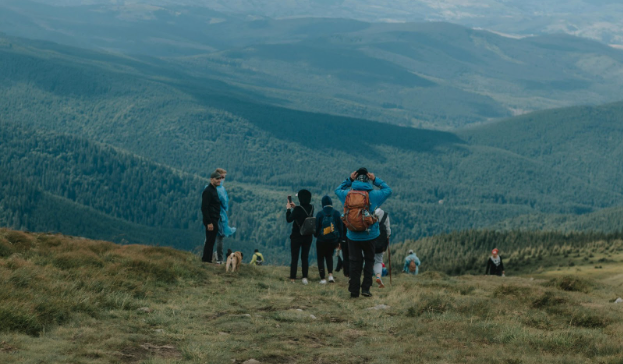
Why Weekend Retreats Work When Time Is Limited
For many teams, the biggest barrier to offsites isn’t budget or buy-in—it’s time. Pulling people out of the workweek can feel disruptive, especially for teams operating across time zones, managing client commitments, or running lean. Weekend retreats solve that constraint by creating protected space for connection and alignment without competing directly with weekday priorities.
What makes weekend retreats effective isn’t just timing—it’s compression. With fewer external distractions and no pressure to “hop back online,” teams tend to arrive more present. Conversations that get postponed during the week happen faster, and decisions that normally stretch across multiple meetings often resolve organically in a single session.
A natural reset without the midweek drag.
Weekday offsites often struggle with divided attention. Even well-intentioned teams end up checking email, taking calls, or mentally tracking unfinished work. Weekends remove that friction. The psychological shift away from the workweek allows teams to engage more fully, which leads to better participation and more honest dialogue.Shorter retreats force sharper focus.
Because weekend retreats run on tighter timelines, agendas tend to be more disciplined. There’s less filler and more intentional sequencing—discussion, activity, reflection, and alignment are designed to build on each other quickly. This structure often produces clearer outcomes than longer retreats that sprawl without urgency.Easier to align across roles and regions.
For distributed teams, coordinating weekday travel can be a logistical headache. Weekend formats reduce scheduling conflicts and make attendance more feasible across time zones and roles. When everyone arrives and leaves together, the experience feels more cohesive and shared rather than fragmented.Energy stays high without burnout.
Well-designed weekend retreats balance focus with downtime. Teams can do meaningful work during the day and still unwind together in the evenings, strengthening relationships without overloading the schedule. The goal isn’t to cram in more—it’s to create momentum that carries into the following week.
At The Offsite, we structure weekend retreats to respect time constraints while still delivering depth. By choosing nearby destinations, right-sizing agendas, and designing experiences that flow naturally, the Offsite team helps busy teams step away briefly—then return aligned, energized, and ready to move forward.
10 Weekend Team Building Retreat Ideas That Deliver
Weekend retreats are the sweet spot for busy teams—short enough to fit the calendar but long enough to make a real impact. A change of scenery, shared experiences, and time away from the usual routine can work wonders for connection, creativity, and energy. Here are ten ideas that turn a couple of days into something unforgettable.
1. Lake Cabin Strategy + Leisure Weekend
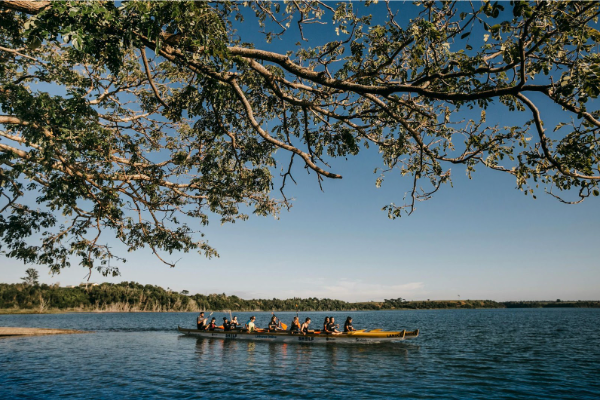
A lakeside setting creates instant separation from day-to-day distractions. Mornings can be reserved for focused planning sessions, while afternoons open up for low-pressure activities like kayaking or paddleboarding. Evenings naturally slow down around shared meals or a bonfire, creating space for informal conversation that deepens connection.
Why teams choose it: This format blends productivity with recovery. Teams leave with clear direction—and a shared sense of calm that carries into the following week.
2. Mountain Lodge Mindset Reset
Mountain retreats encourage perspective. The physical environment invites teams to zoom out, while guided hikes or wellness activities help reset energy before structured discussions begin. Vision-setting and reflection sessions often feel more grounded in these settings.
Why it works well: Movement, scenery, and focused conversation combine to pull teams out of reactive thinking and back toward long-term priorities.
3. Urban Culture Crawl + Innovation Sprint
Cities provide creative stimulus. A curated cultural walk—art, food, architecture—gets people talking before the team reconvenes in a dedicated space for an innovation or problem-solving sprint. The contrast between exploration and focus keeps energy high.
Where it shines: This format suits creative, product, or strategy teams that benefit from external inspiration and fast-paced collaboration.
4. Wellness-Focused Spa Getaway
Wellness retreats intentionally strip the agenda back. Light facilitation, guided reflection, and meaningful downtime replace packed schedules. Conversations often unfold more naturally in relaxed environments, leading to clearer insights.
Best for: Teams coming off intense periods or experiencing burnout, where reset matters more than output.
5. Vineyard or Brewery Weekend
Wine regions and craft breweries offer built-in pacing. Tours, tastings, and shared meals encourage relaxed interaction without forcing constant structure. Optional team activities can be layered in without dominating the weekend.
Why it’s effective: The setting lowers barriers and encourages authentic connection, making it ideal for relationship-building rather than heavy strategic work.

6. Beachside Recharge Retreat
Coastal retreats blend physical activity with natural decompression. Mornings can focus on alignment or goal-setting, while afternoons open up for water activities or unstructured time. Evenings often foster organic bonding over shared meals by the shore.
What teams get out of it: Renewed energy, stronger morale, and connection that doesn’t feel manufactured.
7. Ranch Experience with Team Challenges
Ranch retreats introduce novelty through activities like horseback riding, archery, or outdoor team challenges. These experiences require trust and communication while shifting people out of habitual roles.
Why it works: Unfamiliar environments level the playing field and surface new dynamics, especially valuable for leadership or cross-functional teams.
8. Local Adventure + Overnight Stay
Adventure-based retreats compress bonding into a short timeframe. Activities like ziplining, rafting, or climbing create shared intensity during the day, followed by relaxed evenings that reinforce connection.
Best suited for: Teams that respond well to physical challenge and want fast, memorable bonding without extended travel.
9. Creative Workshop Weekend
Hands-on workshops—cooking, pottery, music, or design—encourage experimentation and collaboration without performance pressure. The emphasis stays on process rather than outcomes.
Why teams love it: Creative formats invite participation from everyone and often reveal strengths that don’t surface in typical work settings.
10. Volunteer + Celebrate Weekend
Purpose-driven retreats begin with a shared service experience, followed by a more celebratory second day. Working together toward a common cause builds trust quickly and reframes team relationships.
What makes it meaningful: Teams leave with a sense of shared impact and accomplishment that strengthens bonds in a way purely recreational activities often don’t.
Tips for Planning a High-Impact Weekend Retreat
A weekend retreat can spark new energy, strengthen relationships, and leave your team more aligned than ever—when it’s planned with intention. The right approach blends organization with flexibility, allowing the group to connect without feeling overbooked.
Tips for a Successful Weekend Retreat:
Pick locations within 1–3 hours of the office to keep travel simple and ensure more time is spent together on-site instead of in transit.
Limit travel and check-in time so the bonding can start right away, whether that’s over lunch, a welcome activity, or casual conversations.
Mix structured sessions with relaxed downtime to strike a balance between purposeful discussions and opportunities for organic connection.
Choose 1–2 high-quality activities that spark energy and conversation rather than overloading the itinerary. Quality beats quantity every time.
Communicate packing lists and expectations early so everyone arrives prepared, comfortable, and ready to dive in without uncertainty.
The Offsite: Making Weekend Retreats Seamless and Impactful
A weekend retreat is a short burst of connection and collaboration that can reset a team’s energy in a big way. At The Offsite, we specialize in making those two or three days feel like they were made for your team alone—crafted for maximum engagement, connection, and enjoyment without the stress of planning.
Why Teams Trust Us with Short-Format Retreats
We’ve fine-tuned our approach to ensure every weekend retreat feels purposeful, easy, and memorable. Our process blends organization, creativity, and experience so your team can focus entirely on being present.
Our Weekend Retreat Planning Includes:
Location Curation Within Easy Travel Distance – We select venues that feel like an escape while staying close enough to keep travel smooth and quick.
Custom Activity Planning – Indoor or outdoor, active or relaxing, every activity is designed to match your team’s personality and goals.
On-Site Coordination and Vendor Management – We keep everything running perfectly, from catering to transportation.
Flat-Fee Pricing for Transparency – You’ll know exactly what’s included from the start.
From Ideas to Impact with The Offsite
Weekend team-building retreats give teams the space to connect, recharge, and return to work with fresh energy. From strategic workshops to relaxing activities, these short getaways pack meaningful impact into just a couple of days. With thoughtful planning, they become more than a break—they become a catalyst for stronger relationships and better collaboration.
The Offsite designs and delivers these experiences with ease, handling every detail so your team can simply enjoy the moment. Let’s create a weekend that blends purpose, fun, and connection in a way your team will remember. Book your consultation today and start planning something extraordinary.
Frequently Asked Questions
When are weekend team-building retreats not the right choice?
Weekend retreats aren’t ideal for every team. If attendance would feel mandatory rather than optional, or if a large portion of the team has caregiving, religious, or personal commitments on weekends, participation and engagement can suffer. In those cases, a short midweek offsite or a single-day retreat may be more effective. Weekend formats work best when expectations are clear, participation is genuinely supported, and the time commitment feels respectful rather than imposed.
How far should teams travel for a weekend retreat?
For short-format retreats, proximity matters more than novelty. Locations within one to three hours of the office tend to deliver the best experience, maximizing on-site time while minimizing travel fatigue. Longer travel windows often eat into arrival energy and shorten the usable portion of the weekend. That’s why The Offsite Co. typically prioritizes nearby destinations that still feel like a true break from routine.
What size teams benefit most from weekend retreats?
Weekend retreats work especially well for small to mid-sized teams, generally between 8 and 40 people. This range allows for meaningful interaction without overcomplicating logistics or diluting connection. Larger groups can still benefit, but they require tighter facilitation, clear subgroup structures, and well-paced agendas to avoid fragmentation.
How structured should a weekend retreat agenda be?
The most effective weekend retreats balance structure with breathing room. Overpacking the agenda leads to fatigue, while under-planning risks aimless downtime. A strong approach includes one or two focused sessions per day, paired with intentional activities and unstructured social time. Short retreats benefit from clarity, not density—every element should earn its place.
Can weekend retreats support real business outcomes, not just team bonding?
Yes—when designed intentionally. Weekend retreats can support alignment, decision-making, and momentum by creating uninterrupted space for conversations that don’t fit into regular meetings. The key is clarity of purpose. Teams that arrive knowing why they’re gathering tend to leave with clearer direction, stronger relationships, and faster follow-through once back at work.
Are weekend retreats effective for hybrid or distributed teams?
They can be especially effective. For hybrid teams that rarely spend extended time together, a weekend retreat creates concentrated, face-to-face connection that strengthens trust and communication. The shared experience helps bridge the gap between remote and in-office dynamics, making collaboration smoother long after the retreat ends.
How do teams avoid burnout during a short retreat?
Burnout usually comes from trying to do too much. Successful weekend retreats respect energy cycles by alternating focused sessions with lighter activities and downtime. Evenings are often best kept informal, allowing relationships to build naturally rather than forcing programmed interaction. Recovery is part of the value, not a distraction from it.