
Southern California Team-Building: A Guide to Revitalizing Company Culture
Southern California delivers year-round sunshine, diverse landscapes within driving distance, and enough variety in team-building options that you'll never default to generic trust falls in a hotel ballroom. Whether your team needs high-energy outdoor adventures, creative workshops in urban settings, or beachfront experiences that double as strategic sessions, SoCal provides the infrastructure and inspiration to make it happen.
The challenge isn't finding activities—it's designing experiences that actually strengthen culture instead of just killing an afternoon. At The Offsite Co., we match SoCal's infrastructure and terrain to your specific team dynamics and development goals, then handle the logistics so your team-building doesn't become another thing on your plate. Let's talk about what your team actually needs.
Why Southern California Works for Team-Building
Geography matters. You can surf in Malibu in the morning and hike desert trails in Joshua Tree by afternoon. That variety means team-building experiences can match your company's personality rather than forcing everyone through cookie-cutter programs.
Weather eliminates the biggest planning variable. Southern California's consistent climate means outdoor activities rarely get derailed by surprise rainstorms. You can confidently plan beach events, hiking excursions, or outdoor challenges without the backup-plan anxiety that plagues most destinations.
Accessibility keeps logistics simple. Multiple airports (LAX, San Diego, Orange County, Burbank, Long Beach) mean your team can fly in from anywhere without complicated connections. Once here, reliable highways and rideshare infrastructure make moving between venues straightforward.
Venue diversity supports varied experiences. Need urban energy? LA and San Diego deliver creative neighborhoods and cultural attractions. Want outdoor immersion? Mountains, beaches, and deserts sit within 90 minutes of major cities. Looking for luxury retreat centers? Southern California's retreat infrastructure rivals any destination in the country.
8 Southern California Team-Building Experiences Worth Planning
We've curated eight options that leverage what makes SoCal unique—varied landscapes, reliable conditions, and enough infrastructure that logistics don't become the main event.
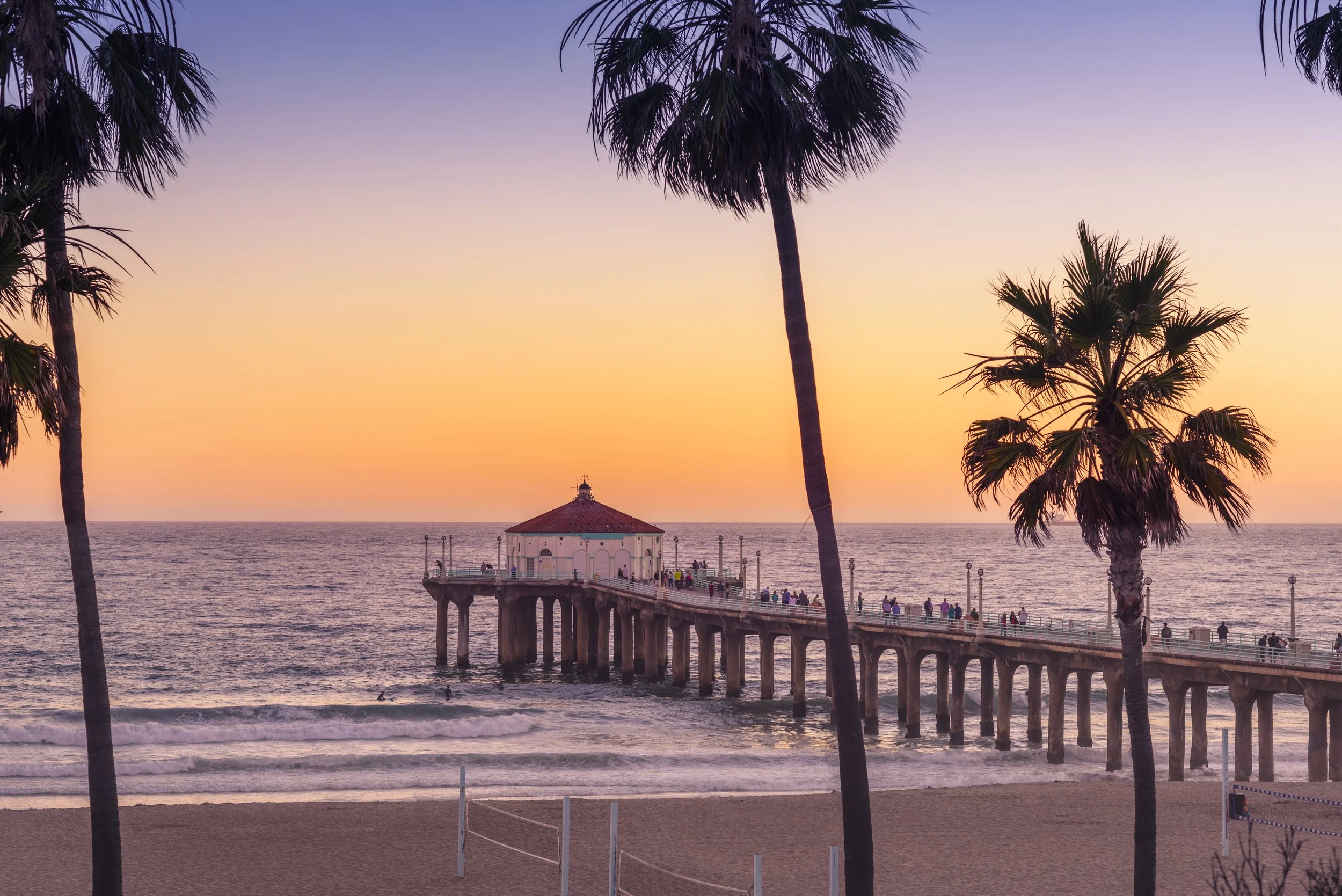
1. Beach Olympics in Santa Monica or Manhattan Beach
Organize a series of beach-based competitions—volleyball tournaments, sandcastle building contests, relay races, team challenges requiring creativity and coordination. Wrap up with a beachfront dinner watching the sunset.
Low barrier to entry means everyone participates regardless of athletic ability
Cross-departmental team assignments naturally break down silos
Competitive elements surface leadership and communication patterns
Beach setting keeps energy high while maintaining casual atmosphere
Santa Monica offers pier-adjacent access with parking structures nearby
Manhattan Beach provides less tourist traffic and excellent South Bay dining
Capacity: 20-150+ participants
Best for: Companies with active cultures, tech startups, or teams needing high-energy connection.
2. Culinary Competition in Downtown LA
Partner with venues like Citizen Public Market or established cooking schools to run timed competitions where teams create dishes, then share meals together. Professional chefs judge results and facilitate conversations connecting kitchen collaboration to workplace dynamics.
Cooking demands delegation, clear communication, and real-time adaptation when techniques don't work as expected. Teams that succeed typically assign roles quickly and support each other when things go sideways. Our work integrating team-building into retreat programming has shown culinary challenges consistently deliver collaboration insights that generic activities miss.
Capacity: 15-80 guests
Best for: Teams valuing creativity and process over physical competition.
3. Sailing Challenge in Newport Beach
Charter multiple sailboats for a friendly regatta where teams learn basic sailing skills, navigate marked courses, and compete for bragging rights.
Professional crews handle safety while teams make tactical navigation decisions
Constant wind shifts force real-time communication and adaptation
Role clarity becomes essential—someone trims sails, someone navigates, someone steers
Ocean environment creates natural focus (no checking Slack mid-race)
Newport Harbor's protected waters work well for corporate groups regardless of experience
Post-sailing access to Balboa Island and Lido Marina Village for team dinners
Capacity: 20-60 guests across multiple boats
Best for: Leadership teams comfortable with active outdoor challenges.
4. Urban Scavenger Hunt Through Arts District or Gaslamp Quarter
Design custom missions where teams complete photo challenges, solve puzzles, engage with local businesses, and race against the clock. Technology platforms track progress and display real-time leaderboards.
You control difficulty and focus—some missions emphasize speed, others reward creativity or community engagement.
LA's Arts District offers street art, coffee culture, and creative retail
San Diego's Gaslamp Quarter provides historic architecture in compact geography
Both neighborhoods have reliable parking and rideshare access
Challenges can incorporate company culture, values, or inside jokes
Teams naturally divide tasks based on strengths (navigators, photographers, puzzle solvers)
Capacity: 15-200+ guests
Best for: Diverse teams wanting inclusive activities across fitness levels.
5. Desert Wilderness Workshop in Joshua Tree
Take your team into Joshua Tree National Park for guided workshops covering navigation, outdoor problem-solving, and survival fundamentals. Professional guides create scenarios requiring collaboration—navigating to checkpoints using map and compass, building emergency shelters, solving puzzles that unlock next steps.
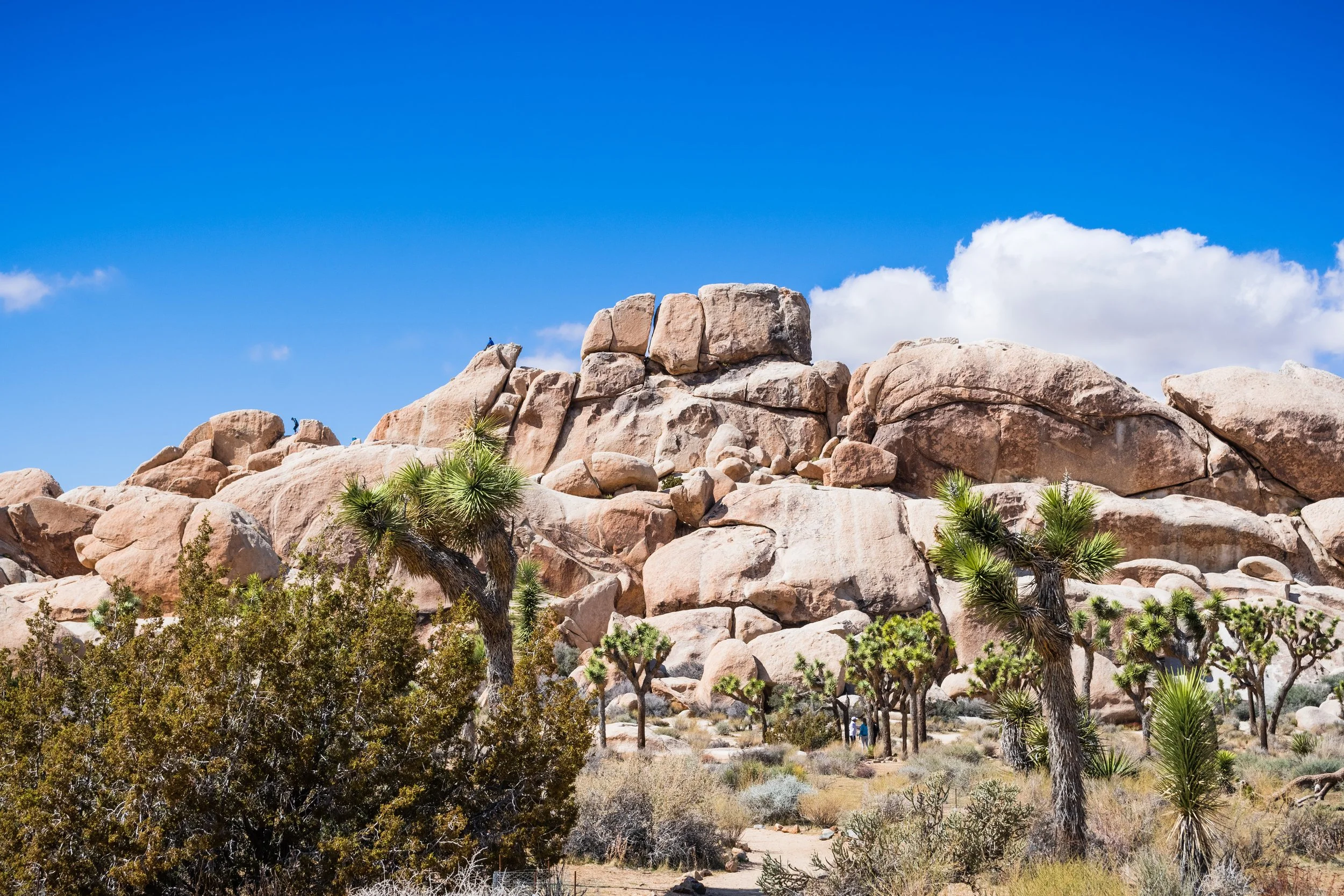
The desert environment pushes teams outside comfort zones without genuine danger. Stark landscapes, temperature swings, and limited cell service create natural focus that conference rooms can't replicate. Evening campfire gatherings produce conversations that rarely happen in climate-controlled spaces.
Programs range from day trips (90 minutes from Palm Springs, 2.5 hours from LA) to overnight camping experiences. When we'replanning leadership offsites focused on transformation, wilderness settings consistently outperform resort venues for depth of insight.
Capacity: 12-40 guests
Best for: Leadership teams seeking reflection over entertainment.
6. Improv Workshop With Groundlings or Second City
Book private workshops withThe Groundlings in LA or improv theaters where professional comedians teach techniques like "yes, and," active listening, and building on others' ideas.
Teams participate in exercises that surface communication patterns
Improv rewards listening and collaboration over competing for laughs
Introverts often excel once they realize it's about building together
Sessions run 2-3 hours, easy to pair with strategic meetings afterward
Debriefs connect improv principles directly to workplace collaboration
Works across all fitness levels and personality types
Capacity: 15-50 guests
Best for: Teams working on communication, cross-functional collaboration, or creative problem-solving.
7. Habitat Restoration With Local Nonprofits
Partner with organizations likeTreePeople in LA orSan Diego River Park Foundation to organize half-day volunteer projects—planting native species, removing invasive plants, trail maintenance, or habitat restoration.
Shared service creates meaning beyond typical team-building entertainment. Teams working on physical projects with visible outcomes—planting 100 trees, clearing a mile of trail—build connections through contribution rather than competitive games.
Most nonprofit partners provide tools, training, and project supervision. You handle logistics—transportation, communication, post-project meals where teams reflect on the experience. Morning volunteer sessions pair naturally with afternoon strategic meetings or celebration dinners.
Capacity: 20-100+ guests
Best for: Companies with strong sustainability values or teams seeking purpose-driven experiences.
8. Multi-Day Adventure Retreat in Big Bear or San Diego Backcountry
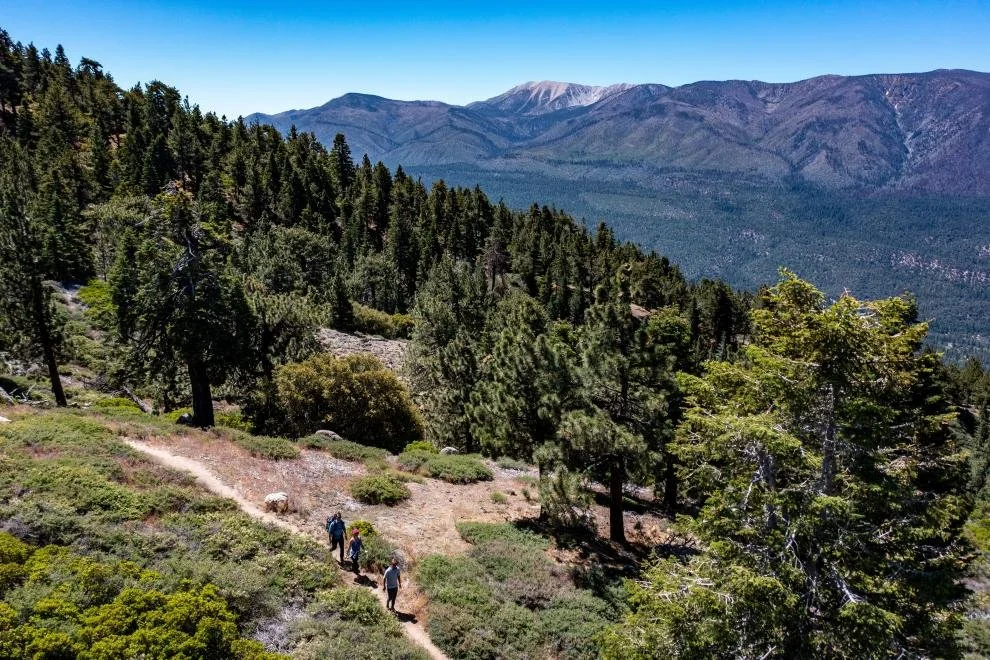
Combine team-building activities with overnight accommodations at mountain resorts or backcountry camps.
Morning hiking, mountain biking, or water sports depending on season and location
Afternoon challenge courses, problem-solving activities, or strategic planning sessions
Evening campfires with structured conversations or informal social time
Comfortable lodging that doesn't require sleeping on the ground
Big Bear sits 90 minutes from LA with year-round appeal (summer lakes, winter skiing)
San Diego backcountry (Julian, Cuyamaca, Laguna Mountains) offers milder weather patterns
Multi-day formats allow deeper programming—activities inform strategic conversations
Capacity: 20-100+ guests depending on venue
Best for: Companies ready to invest in comprehensive experiences blending team-building with strategic work.
What SoCal Geography Actually Means for Team-Building Logistics
Southern California's sprawl and terrain create planning considerations that don't exist in compact cities or single-climate regions.
Drive Times Are Deceptive
LA to Joshua Tree looks like 2.5 hours on a map. On a Friday afternoon, it's 4+ hours. San Diego to Big Bear runs 2 hours off-peak, but weekend ski traffic doubles that. Always add a 30-50% buffer to Google Maps estimates when coordinating group travel, especially during rush hours (7-10am, 3-7pm) or weekend exodus times.
Microclimates Require Different Gear Lists
Your team could experience 40-degree temperature swings in a single day depending on location and elevation. Beach activities in Malibu might be 75°F while Big Bear sits at 35°F the same afternoon. Desert programs start cool at sunrise, hit 95°F by noon, then drop to 50°F at sunset. Always communicate specific gear requirements—what works for beach Olympics fails miserably in mountain or desert environments.
Coastal Access Isn't Guaranteed
Many SoCal beaches require parking permits, have limited lot capacity, or restrict group activities without permits. Manhattan Beach, Laguna Beach, and Coronado often fill parking by 10am on weekends. If you're planning beach-based team-building for 50+ people, you need advance coordination with city parks departments and backup transportation plans when lots fill.
Fire Season Impacts Mountain and Desert Venues
September through November is peak fire season. Air quality can shut down outdoor activities with 24 hours notice, and evacuation orders occasionally close venues entirely. Always have indoor backup options when booking fall programs in mountain or desert locations. Coastal venues provide reliable alternatives when inland air quality deteriorates.
Permit Requirements Vary Wildly by Location
Joshua Tree National Park requires permits for groups over 25. Santa Monica beach activities need city permits for organized events. Some San Diego backcountry areas restrict group sizes during nesting season. Verify permit requirements 60+ days before your event—processing times vary and some locations have monthly quotas that fill early.
How The Offsite Designs Southern California Team-Building That Sticks
Southern California offers incredible options, but translating activities into actual cultural impact requires intentional design. We help teams move beyond "we did something fun together" to "we learned how we work and what we need to change."
Matching Activities to Cultural Objectives
We start by understanding what you're actually trying to fix or strengthen. Are you rebuilding trust after organizational change? Developing leadership skills in emerging managers? Breaking down silos between departments? Strengthening psychological safety so teams take more risks?
The right team-building format depends entirely on those objectives. High-energy competitions work for some goals but undermine others. Reflective wilderness experiences serve certain teams while boring others. Our approach to corporate leadership retreats emphasizes aligning every activity to specific development outcomes rather than just filling time with entertainment.
Facilitation That Connects Experience to Application
Team-building activities create moments. Facilitation turns those moments into insights that transfer back to work. We work with skilled facilitators who understand adult learning and organizational development, not just camp counselors running corporate groups through games.
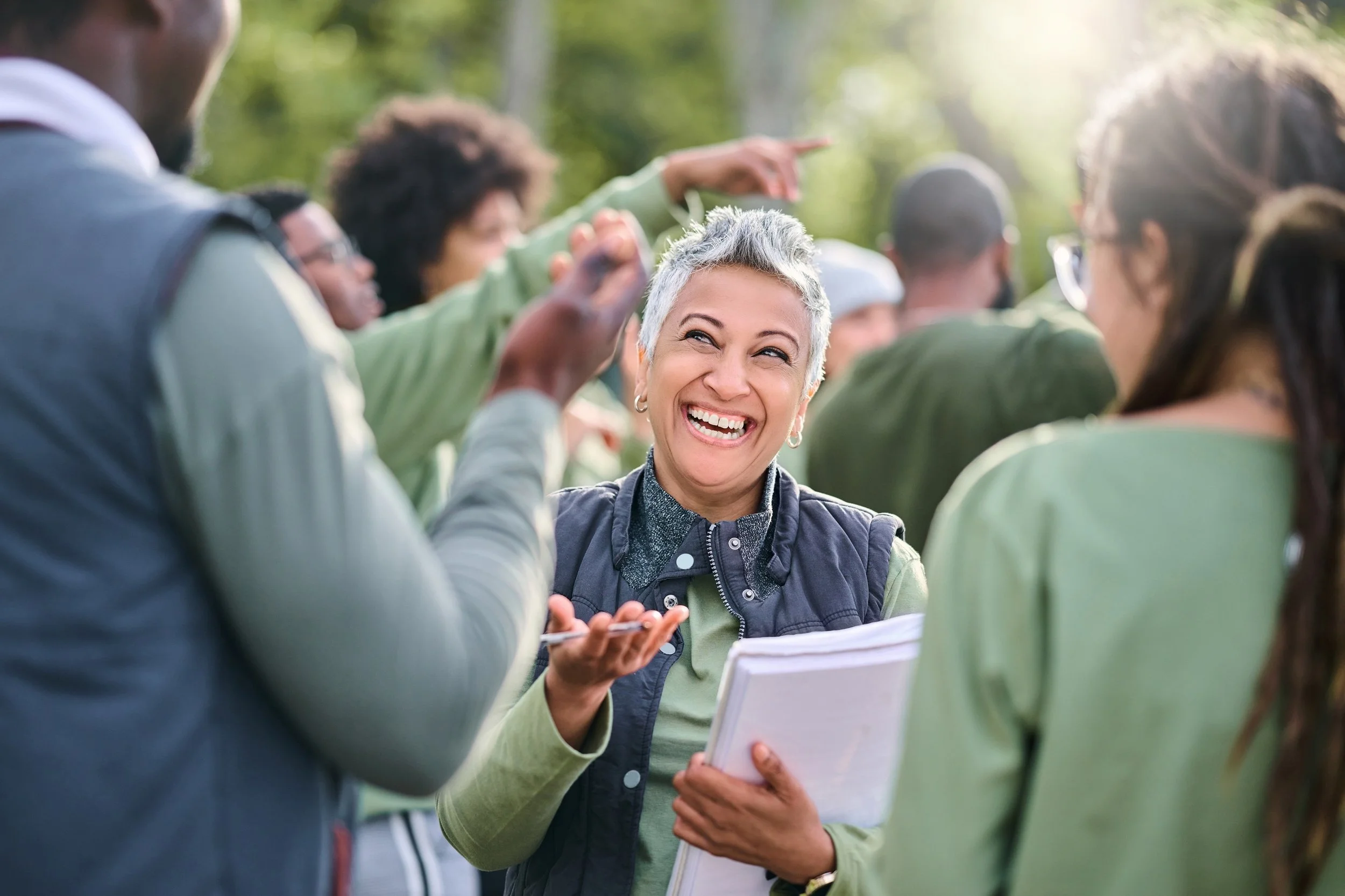
Debriefs focus on what happened during the activity, why it happened, and how the same patterns show up at work. Teams leave with specific language and reference points for future conversations—"Remember when we lost the sailing race because three people were giving conflicting directions? That's exactly what happens in our product meetings."
Logistics That Don't Become the Story
We handle the operational details that determine whether your team-building experience feels seamless or chaotic:
Venue coordination and contract negotiation
Transportation logistics from airports or offices to activity sites
Equipment needs, weather contingencies, and backup plans
Dietary accommodations for meals surrounding activities
Pre-event communication through custom attendee portals
On-site coordination so you focus on your team instead of vendor management
With a 97% client retention rate, companies trust us to deliver exceptional team-building experiences that strengthen culture while staying on budget. Our flat-fee pricing model means you know exactly what you're investing upfront—no surprise charges, no vendor markups, no invoices appearing weeks later.
Build Team Culture That Lasts Beyond the Activity
Southern California gives you the terrain, climate, and infrastructure to design team-building that matches your culture—not force your culture into generic activities. Desert wilderness for teams needing perspective. Urban challenges for groups energized by creative neighborhoods. Beach competitions for cultures that thrive on high-energy connection.
The logistics—drive times, microclimates, permits, backup plans—determine whether your team shows up ready to engage or frustrated before you start. The Offsite Co. handles the operational complexity so you can focus on the experience itself. Let's build something that actually strengthens your team.
Frequently Asked Questions
What time of year works best for Southern California team-building?
Southern California's consistent weather makes year-round planning viable, but spring (March-May) and fall (September-November) offer ideal conditions—comfortable temperatures, less tourist traffic, and better venue availability. Summer works well for beach and mountain activities but requires planning around heat for desert experiences. Winter provides snow sports in Big Bear and often features the clearest days for outdoor activities in lower elevations.
How do we choose between outdoor and indoor team-building activities?
Consider your team's fitness levels, comfort with physical challenges, and what you're trying to accomplish. Outdoor activities work well for building trust, encouraging leadership emergence, and creating memorable shared experiences. Indoor options (improv, culinary challenges, problem-solving workshops) suit teams prioritizing creativity, communication skills, or inclusivity across varied physical abilities.
What's involved in planning team-building for remote teams meeting in person?
Remote teams gathering in person need extra attention to logistics—coordinating travel from multiple locations, arranging accommodations that keep everyone together, and designing activities that acknowledge this might be their first in-person interaction. Start with lower-pressure social activities before intensive challenges. Build in unstructured time for organic connection.
How do we measure whether team-building actually improved our culture?
Set specific objectives before the experience—"improve cross-functional collaboration," "increase psychological safety," "develop leadership skills in managers." Then measure against those goals through post-event surveys, observation of workplace behaviors, and follow-up conversations weeks later. Effective team-building creates language and reference points teams use long after the event.
Can The Offsite help with team-building for large companies across multiple locations?
We design regional team-building experiences for companies with distributed teams across Southern California and coordinate multi-city programs for national companies. This might mean parallel experiences in LA and San Diego on the same day, or progressive programs where different offices participate throughout a quarter.